
Last updated November 4, 2026
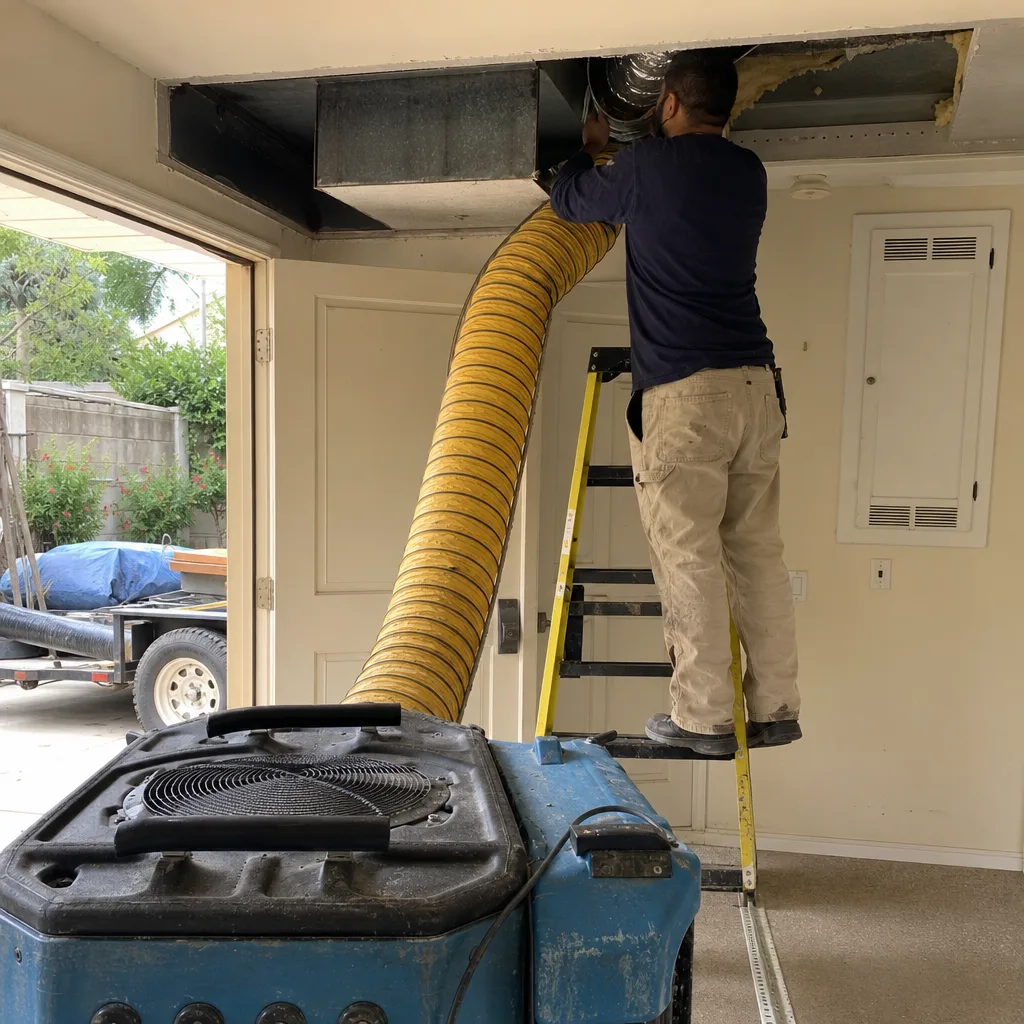
 Whole-home duct cleaning
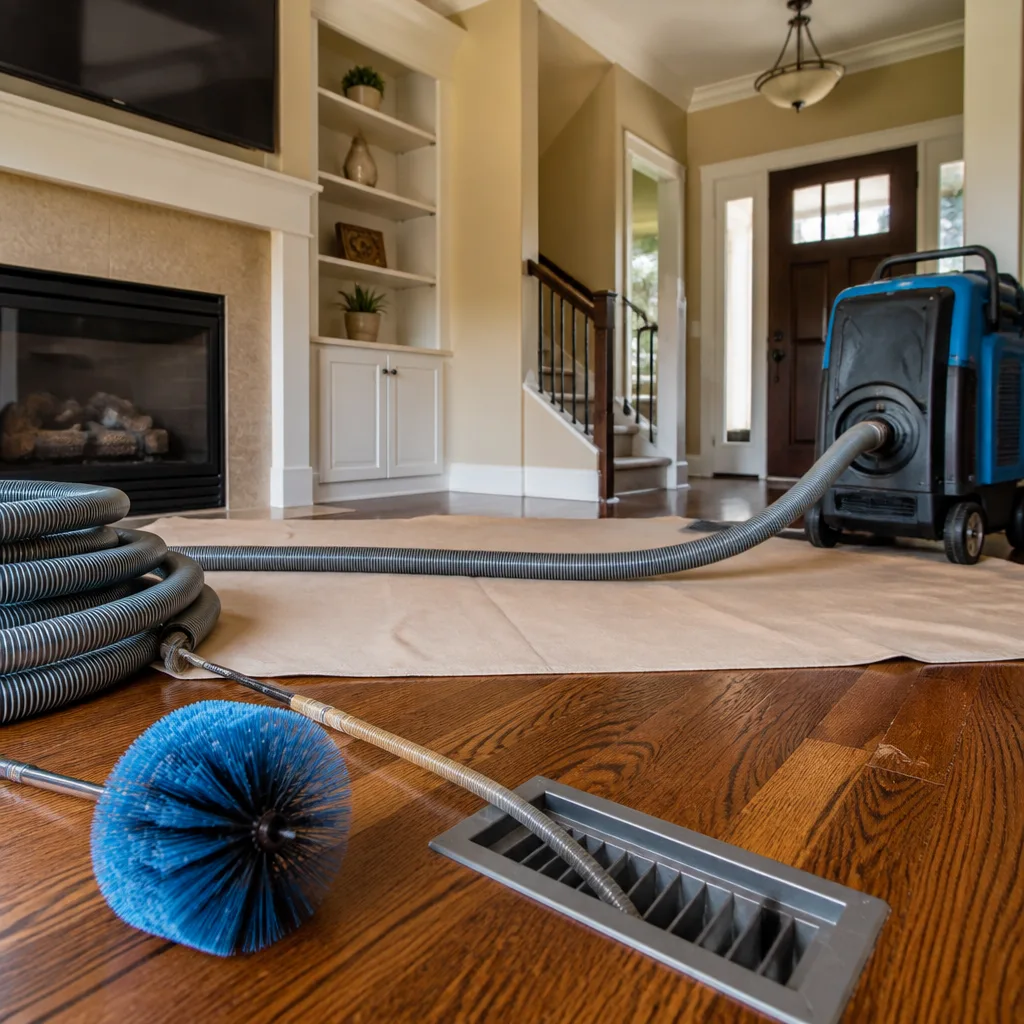
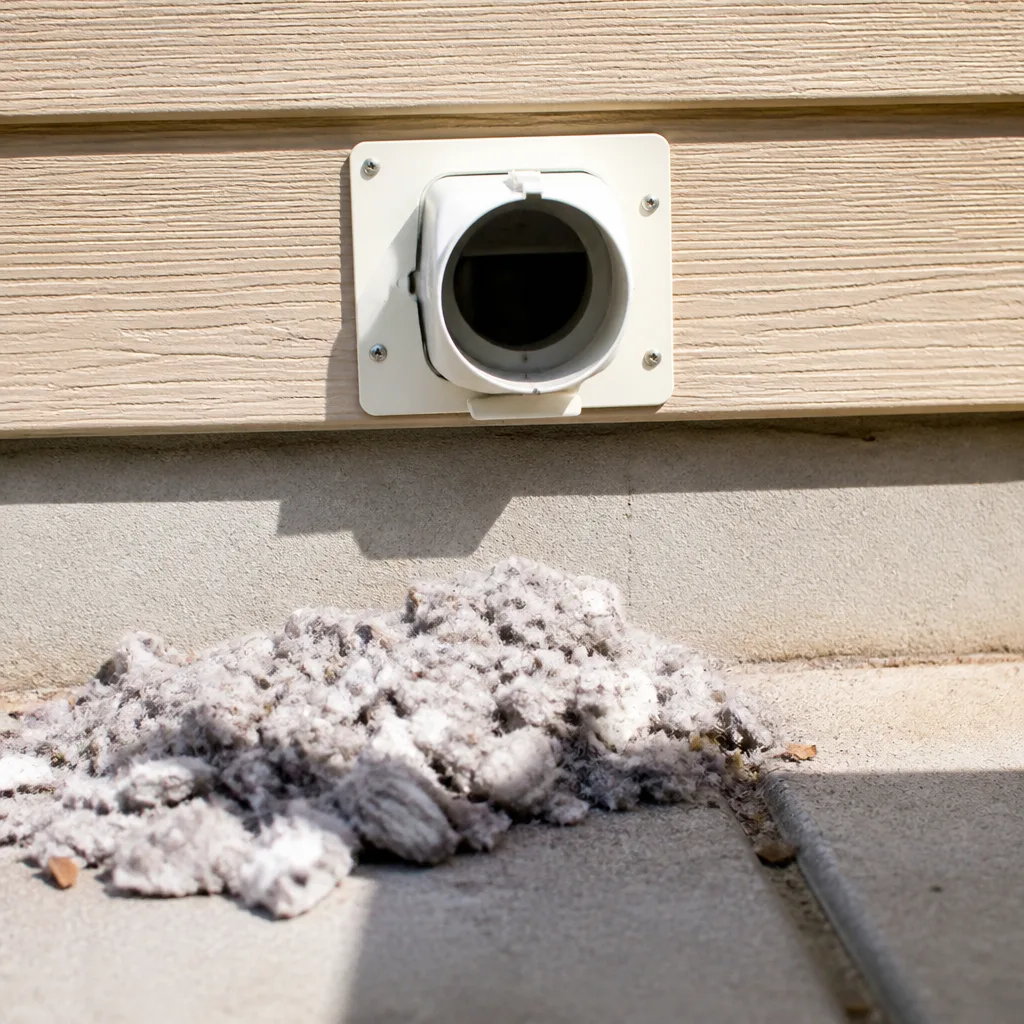 Dryer vent cleaning
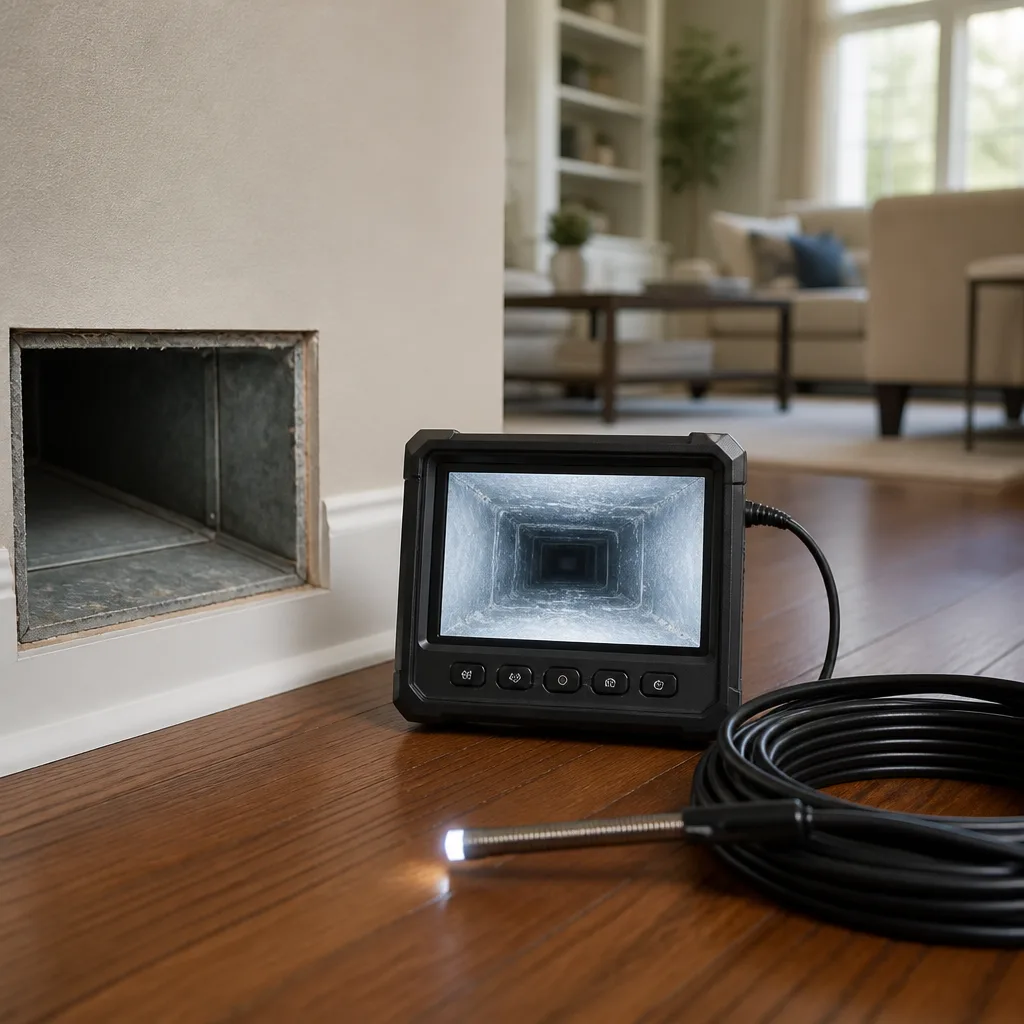 Camera inspection
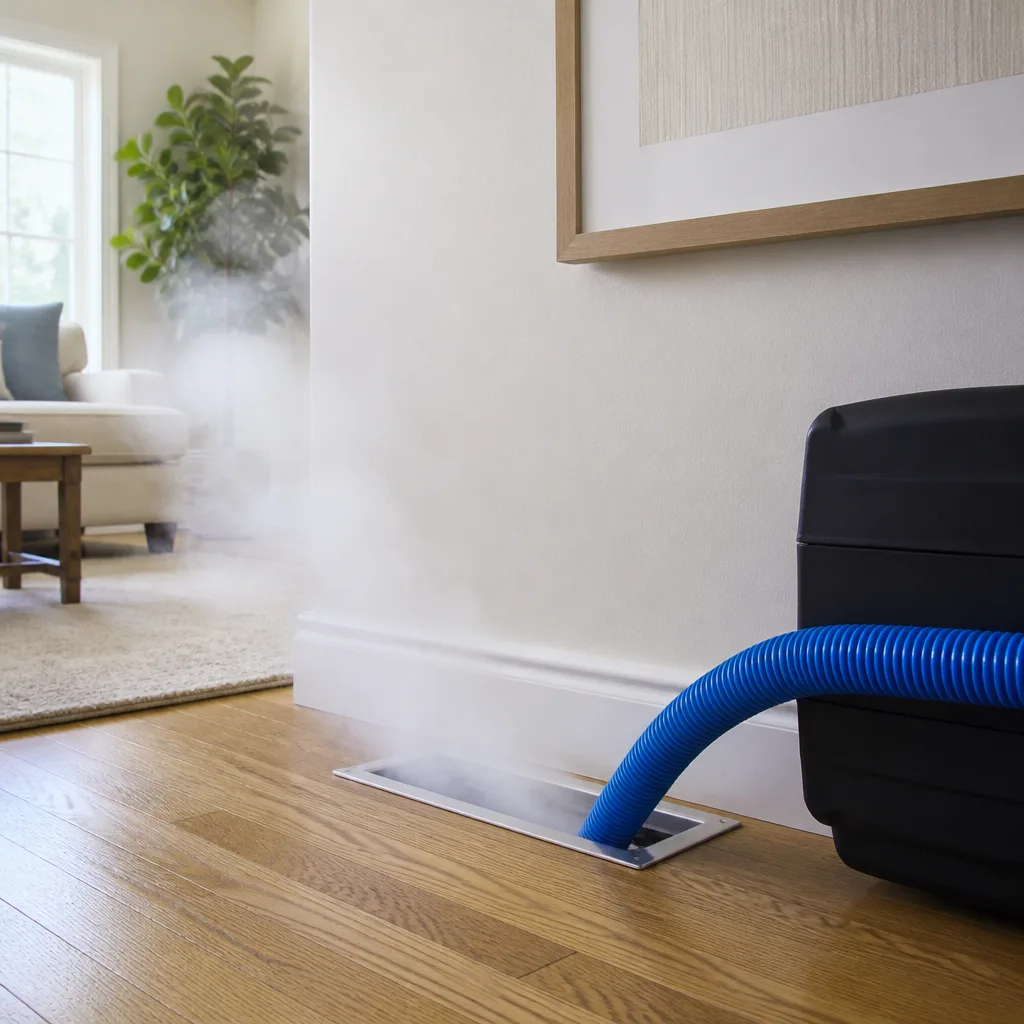 Sanitizing & deodorizing
Whole-system duct and dryer vent check with before-and-after photos - you see exactly what came out of your vents
That "$99 whole-house special" is a bait ad - the real number appears once they are in your hallway, or the "clean" is a shop-vac at the register. We photograph the inside of your ducts before and after instead.
DIY vs Professional Air Duct Cleaning: The Redondo Beach Homeowner’s Decision Guide
Here’s the unglamorous truth about do-it-yourself air duct cleaning: a homeowner with a shop vac and a dryer vent brush kit can effectively clean roughly the first 18 inches of a duct run. The contamination that actually affects your indoor air quality, the fine particulate that triggers allergy flare-ups and settles on your furniture within days of dusting, typically lives 4 to 12 feet in. Past the first elbow, behind the register boot, in the long horizontal runs above your ceiling. Consumer tools stop reaching exactly where the problem starts. That’s not a judgment on anyone’s effort or handiness. It’s physics, and Redondo Beach homes have some specific characteristics that tilt the physics further away from the DIY approach.
Quick Answer
Professional air duct cleaning in Redondo Beach is worth the cost when ducts haven’t been cleaned in five or more years, when you’re seeing persistent dust accumulation, or when renovation debris has entered the system because professional equipment uses rotary brush agitation paired with HEPA vacuum extraction that physically removes contaminants rather than blowing them around. DIY cleaning has a legitimate but narrow scope: register cleaning, filter replacement, and clearing the accessible first section of a dryer vent. The decision comes down to whether your problem lives within 18 inches of the register, or 12 feet in.
Styles & brands we work with
- Whole-home duct cleaning
- Dryer vent cleaning
- Camera inspection
- Sanitizing & deodorizing
Table of Contents
- The Physics Problem: Why Suction Alone Fails
- What DIY Can Honestly Accomplish
- Equipment Reality: Consumer vs Professional-Grade
- The Real Cost Comparison in Redondo Beach
- When DIY Becomes Counterproductive
- Redondo Beach Scenarios Where Professional Cleaning Pays Off
- What Professional Source-Removal Actually Involves
- Frequently Asked Questions
The Physics Problem: Why Suction Alone Fails
Air duct cleaning is not a suction problem. It’s an agitation problem. The debris that accumulates inside ductwork doesn’t sit loosely on the bottom of the duct like dust on a shelf. Months and years of airflow press it against duct walls, embed it in the fiberglass liner of insulated ducts, and pack it into corners and transitions. A vacuum, no matter how powerful the homeowner believes it to be, can only capture what it can reach and what is already loose. Everything else stays put.
Think of it this way: if you spilled flour on a countertop and ran a vacuum hose over the surface without touching it, you’d remove a fraction of the flour. The rest would remain as a thin film. Now imagine that countertop is 20 feet long, has three bends, and you can only access the first foot and a half. That’s the DIY duct cleaning scenario.
Professional source-removal methodology works differently. The Rotobrush rotary-brush system physically agitates the interior surfaces of the ductwork while a Nikro HEPA vacuum creates negative pressure that captures dislodged debris at the source. The brush doesn’t just stir things up. It scours. The vacuum doesn’t just suck. It contains. The two actions happen simultaneously, which is the entire point. Agitation without capture spreads contamination. Capture without agitation leaves contamination in place. Both together is what source removal means.
Redondo Beach homes add another layer to this. Most were built between the 1950s and 1980s, which means duct systems that have accumulated decades of particulate. In our experience, flexible duct runs in older Redondo Beach properties often have sags and dips where debris settles in pockets that no suction-only approach will ever touch. The geometry of the duct system itself defends the contamination against amateur removal.
What DIY Can Honestly Accomplish
We’re not here to tell you that every homeowner task requires a professional. That would be dishonest, and it does a disservice to the capable people who maintain their own homes. DIY has a legitimate scope when it comes to air duct cleaning, and knowing where that scope ends is more useful than pretending it doesn’t exist.
Here’s what a homeowner can realistically do with consumer-grade equipment:
- Register and vent cover cleaning: Removing floor and ceiling registers, wiping them down, and vacuuming the visible boot area is straightforward and worthwhile. This removes the surface dust and hair that accumulates there, and it’s a regular maintenance task we’d recommend to anyone.
- Filter replacement: Changing HVAC filters on schedule is the single highest-impact air quality action a homeowner controls. A clean filter protects the blower motor, reduces particulate circulation, and extends the life of the whole system.
- Dryer vent first-section clearing: The accessible portion of a dryer vent, typically the first few feet where it connects to the dryer, is often clearable with a basic brush kit. This addresses the most immediate lint accumulation and can improve dryer performance in the short term.
- Return air grille cleaning: The return grille on a wall or ceiling collects a surprising amount of household dust. Removing and cleaning it is simple, safe, and actually does something.
The performance ceiling is real, and it’s low. A shop vac produces somewhere around 100 to 150 CFM of airflow at the end of a hose, and that’s before you factor in the losses from a 15-foot extension hose with a brush attachment. Professional Nikro HEPA vacuum equipment operates at meaningfully higher airflow volumes, but the bigger difference is that professional extraction happens at the point of agitation. The vacuum isn’t reaching from outside the system. It’s integrated into the cleaning process.
For Redondo Beach homeowners, an honest DIY maintenance routine means: register cleaning once a month, filter replacement every 60 to 90 days depending on the filter type and household factors, and a visual inspection of the accessible ductwork twice a year. That routine is genuinely useful. It is not a substitute for source-removal cleaning, and it was never meant to be.
Equipment Reality: Consumer vs Professional-Grade
The equipment gap between what a homeowner can rent at a hardware store and what a professional brings to a Duct Cleaning Redondo Beach job is not a matter of degree. It’s a matter of category. The homeowner rental market offers vacuum attachments and drill-powered brushes that claim to clean ducts. They move air. They spin. What they don’t do is agitate and extract simultaneously with HEPA containment, and that’s the entire job.
Let’s talk about the Rotobrush system specifically, because it’s illustrative. The Rotobrush rotary-brush system uses a motorized brush head that travels through the duct run, physically contacting the interior surfaces. The brush doesn’t spin passively. It’s driven by a motor that maintains torque as the head navigates bends and transitions. As it scours, the Nikro HEPA vacuum is pulling negative pressure through the same run. The debris dislodged by the brush has nowhere to go except into the HEPA-filtered vacuum stream. It cannot recirculate into the living space.
Compare that to a drill-powered brush from a rental counter. It spins, yes. It contacts surfaces, yes. But there’s no meaningful capture at the point of agitation. The homeowner is essentially loosening debris and hoping the shop vac at the other end of the run manages to pull it out. In practice, a significant portion of that loosened debris either resettles in the ductwork or gets pushed into the living space during the next HVAC cycle. The homeowner did work. The debris moved. The air quality did not improve, and in some cases got worse.
Then there’s the containment question. Professional air duct cleaning in occupied homes requires managing the dislodged particulate so it doesn’t become an airborne event in the living room. Abatement Technologies air filtration units are deployed on-site during professional cleaning to capture airborne contaminants released during the process. This is not a luxury. It’s the difference between cleaning ducts and spreading duct contents throughout the house.
The Real Cost Comparison in Redondo Beach
The DIY cost argument assumes that rental equipment and professional service are doing the same thing and that only the price tag differs. They aren’t, and it doesn’t. But let’s run the numbers honestly anyway, because Redondo Beach homeowners deserve a clear-eyed comparison.
DIY duct cleaning, typical cost:
- Rental shop vac with long hose and brush attachments: $40 to $80 per day
- Drill-powered duct brush kit purchase: $25 to $60
- Dryer vent brush kit: $20 to $40
- Time: 4 to 8 hours for a determined homeowner to work through every register
- Result: The first section of each run gets cleaner. The other 70 to 80 percent of the system is untouched.
Professional source-removal cleaning, typical cost in Redondo Beach:
- Whole-system air duct cleaning for a typical Redondo Beach single-family home: generally ranges from $450 to $1,100 depending on system size, number of returns, accessibility, and contamination level
- Time: most single-family systems are completed in half a day to a full day
- Result: Complete system contact, debris extraction with HEPA containment, Abatement Technologies air filtration during the process, and a post-cleaning visual inspection
The cost difference is real, and we won’t pretend otherwise. Professional cleaning costs more than a Saturday rental. But the comparison only makes sense if both approaches are attempting the same task. They aren’t. The DIY approach cleans the parts of the system the homeowner can see. The professional approach cleans the parts of the system that affect air quality. For a Redondo Beach home with a 40-year-old duct system that has never been thoroughly cleaned, the professional cost buys access to contamination that has been accumulating since the Carter administration.
One more point on cost: every professional estimate should be a written, fixed-price agreement before any work begins. The price you approve is the price you pay. If a duct cleaning company won’t commit to a fixed price per job by written estimate, that’s a signal worth paying attention to.
When DIY Becomes Counterproductive
There are scenarios where a homeowner attempting duct cleaning makes the situation actively worse. Not merely ineffective, but worse. Knowing these scenarios in advance is more valuable than any technique tip, because the entire point of duct cleaning is improving indoor air quality, and the wrong approach can degrade it.
Disturbing mold colonization. If there’s visible mold growth in accessible ductwork or around registers, a homeowner running a brush through that area without HEPA containment is doing something dangerous. Mold colonies disturbed by agitation release spores. Without proper containment, those spores find their way into the living space and the HVAC system distributes them throughout the house. Mold remediation in ductwork is not a DIY task, full stop. If you can see it, call someone who can contain it.
Dislodging without capturing. This is the most common DIY counterproductive outcome. The homeowner pushes a brush through a duct run, loosens years of accumulated particulate, and the shop vac captures perhaps half of it. The other half is now airborne inside the ductwork, where the next HVAC cycle will express it directly into the living space. The homeowner has paid for the privilege of redistributing contamination from the ducts to the furniture.
Damaging ductwork or equipment. Inserting any object into ductwork carries risk. Flex duct is easily torn. Registers and boots bend. Pushing a brush past an elbow in flexible duct can separate the inner liner from the insulation, creating a new debris source. And inserting anything into the air handler itself, even a vacuum hose, risks damaging the evaporator coil, blower wheel, or heat exchanger. Some HVAC warranties specifically exclude damage caused by non-professional cleaning attempts. Read the fine print on your equipment.
False confidence about air quality. The homeowner cleans what they can reach, sees some debris in the shop vac canister, and concludes the ducts are clean. They aren’t. The system is now cleaner at the accessible ends and exactly as contaminated everywhere else. The belief that the job is done postpones professional cleaning, during which time the remaining contamination continues circulating. The false confidence has a real cost in indoor air quality.
Redondo Beach Scenarios Where Professional Cleaning Pays Off
Redondo Beach’s climate and housing stock create some specific situations where professional-grade equipment is not a luxury but the only sensible approach. These are the scenarios we see most often in Redondo Beach homes, and they map cleanly onto the equipment differences described above.
Post-renovation debris. Redondo Beach has an aging housing stock, and renovations are constant. Drywall dust, sawdust, and general construction debris find their way into duct systems with astonishing efficiency. Drywall dust is particularly problematic: it’s fine enough to remain airborne for extended periods, it embeds into fiberglass duct liner, and it’s abrasive to blower motors. A renovation that included any wall work, flooring, or kitchen remodel almost guarantees duct contamination unless the contractors sealed every register, which in our experience most don’t. Professional source-removal cleaning after renovation is a legitimate, cost-effective protection for the HVAC system and for the household’s lungs.
Homes with pets and persistent allergy symptoms. Pet dander, hair, and the fine particulate that accompanies them are exactly the materials that migrate deep into ductwork. A household with one or more pets produces dander continuously, and the HVAC system distributes it continuously. If allergy symptoms persist despite regular filter changes and house cleaning, the ductwork is often the reservoir. Professional cleaning with HEPA extraction removes the accumulated dander load rather than rearranging it.
Systems untouched for five or more years. If the home has no record of previous duct cleaning, and the system has been operating for five, ten, or twenty years without source-removal attention, the accumulation is substantial. The National Air Duct Cleaners Association suggests cleaning every three to five years, and that’s for systems under normal operating conditions. Past the five-year mark, the debris layer in the ductwork is no longer a surface film. It’s a deposit, and it requires rotary agitation to remove.
Musty odors that come and go. A musty smell that appears when the HVAC system runs, then fades, then returns on the next cycle, usually points to microbial growth or concentrated debris somewhere in the system. Redondo Beach’s occasional humidity and the marine layer influence moisture levels in homes, and condensation can form in ductwork under the right conditions. If the musty odor persists after filter changes and register cleaning, the source is deeper, and finding it requires professional inspection.
What Professional Source-Removal Actually Involves
Understanding what professional air duct cleaning actually entails helps homeowners evaluate the service and understand why the equipment matters. This is what a proper source-removal cleaning looks like, step by step.
- System inspection. The contractor examines the duct layout, identifies access points, checks for visible contamination, and assesses the condition of the ductwork. This determines the cleaning approach and uncovers any repair needs before cleaning begins.
- Access point creation. The contractor cuts or otherwise opens access points into the duct system at strategic locations, usually near the air handler and at the ends of major runs. These are sealed after cleaning.
- Containment setup. Abatement Technologies air filtration units are positioned to create negative pressure in the work area and capture airborne particulate during the cleaning process. This prevents the release of dislodged contaminants into the living space.
- Rotary brush agitation. The Rotobrush rotary-brush system is run through each duct run, physically scouring the interior surfaces. This is the agitation step that dislodges debris that suction alone cannot move.
- HEPA vacuum extraction. The Nikro HEPA vacuum equipment operates simultaneously with the brush, capturing dislodged debris at the source. The HEPA filtration ensures that extracted particulate stays captured.
- Air handler cleaning. The blower compartment, evaporator coil, and housing are cleaned using appropriate methods. This prevents the cleaned ductwork from being re-contaminated by debris from the air handler itself.
- Duct repair identification. During and after cleaning, the contractor identifies any damaged ductwork, disconnected joints, or deteriorated sections. For a full-scope provider, these repair needs are addressed as part of the same engagement, not referred to another company.
- Access point sealing. All access points are sealed and the system is verified for proper operation.
What a homeowner should take from this is the sequence and the equipment. The rotary brush agitates. The HEPA vacuum extracts. The filtration unit contains. The inspection and repair step closes the loop. Omit any of these elements and the result is incomplete. That’s the difference between a professional-grade process and a shop-vac workout.
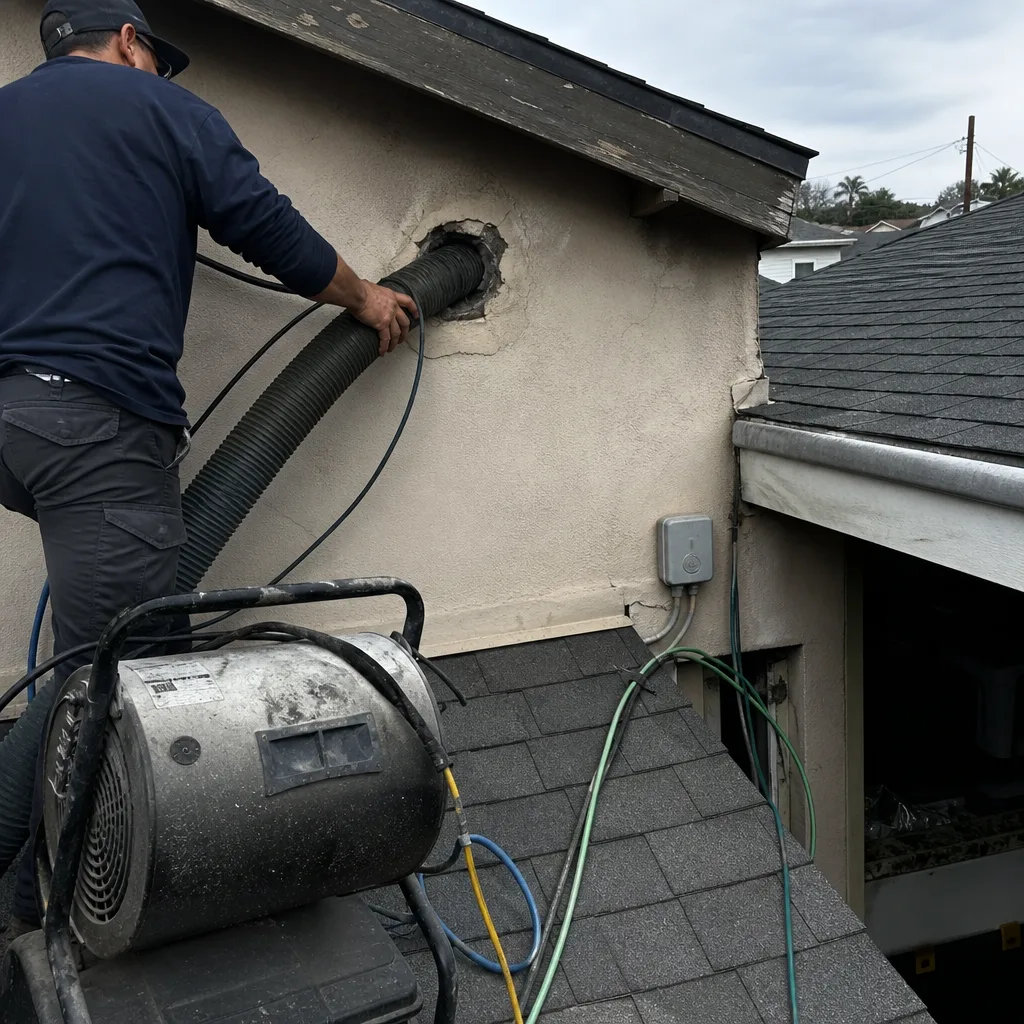
We should also mention the dryer vent cleaning connection here, because it’s related and often overlooked. Dryer vents accumulate lint, which is highly flammable and a significant fire hazard. Consumer dryer vent brush kits can clear the first few feet of a vent, but the same physics problem applies: lint accumulates throughout the run, and the most dangerous buildup often occurs at the exterior termination point or in sags along the run. Professional dryer vent cleaning reaches the entire run and verifies proper airflow afterward. If you’re thinking about duct cleaning, the dryer vent deserves attention in the same conversation.
The Indoor Air Quality Connection: Beyond Cleaning
Duct cleaning sits inside a larger conversation about indoor air quality, and an honest guide should place it there. Clean ducts improve air quality only to the extent that the air moving through them is clean at the source. The air handler is ingesting whatever the home’s environment produces: cooking particulate, pet dander, volatile organic compounds from furnishings and cleaning products, outdoor particulate that enters through doors and windows.
For Redondo Beach homeowners thinking holistically about air quality, filtration matters as much as duct cleanliness. The two work together. Clean ducts with inadequate filtration means particulate reaccumulates quickly. Excellent filtration with contaminated ducts means clean air moving through dirty passageways. A complete approach addresses both.
This is why we’re familiar with Honeywell and Aprilaire IAQ products and discuss filtration upgrades with homeowners when the cleaning inspection reveals persistent particulate sources. A Honeywell or Aprilaire whole-home filtration system installed at the air handler captures particulate before it enters the ductwork, which extends the effectiveness of professional cleaning and improves day-to-day air quality. The conversation isn’t just about cleaning. It’s about what happens between cleanings.
We should also note the repair dimension, because it’s a gap in how many duct cleaning companies operate. When our cleaning process identifies damaged ductwork, a disconnected joint, or a deteriorated section, we don’t hand the homeowner a phone number for another contractor. Air duct repair is part of the same engagement. One crew, full scope. The rationale is simple: cleaning a duct system with a physical breach is like mopping a floor with an open window. The contamination comes back through the breach, and the cleaning didn’t address the actual problem.
Guardsman-brand products are incorporated into the service process where appropriate, providing finish protection for surfaces that come into contact with the cleaning equipment. It’s a detail that speaks to the broader approach: professional-grade tools, professional-grade materials, and a process that treats the home like a home rather than a job site.
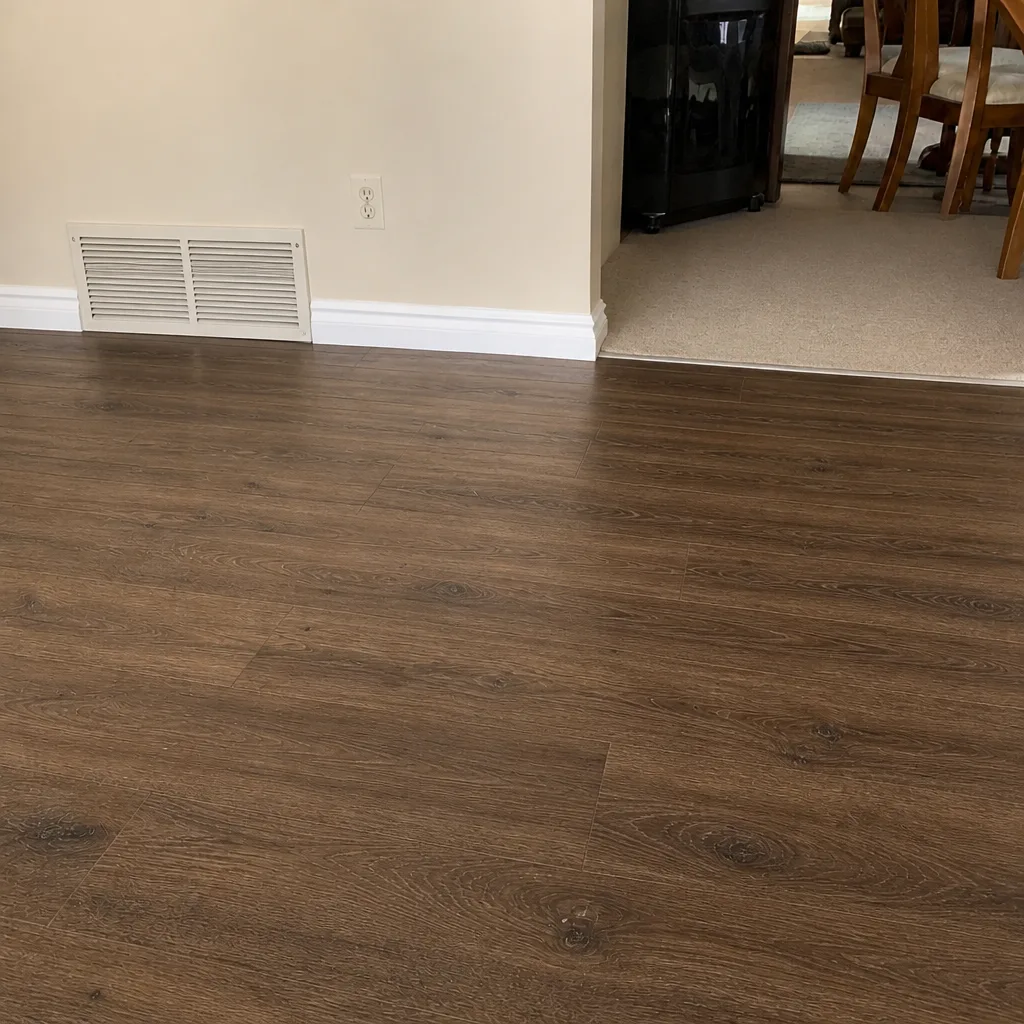
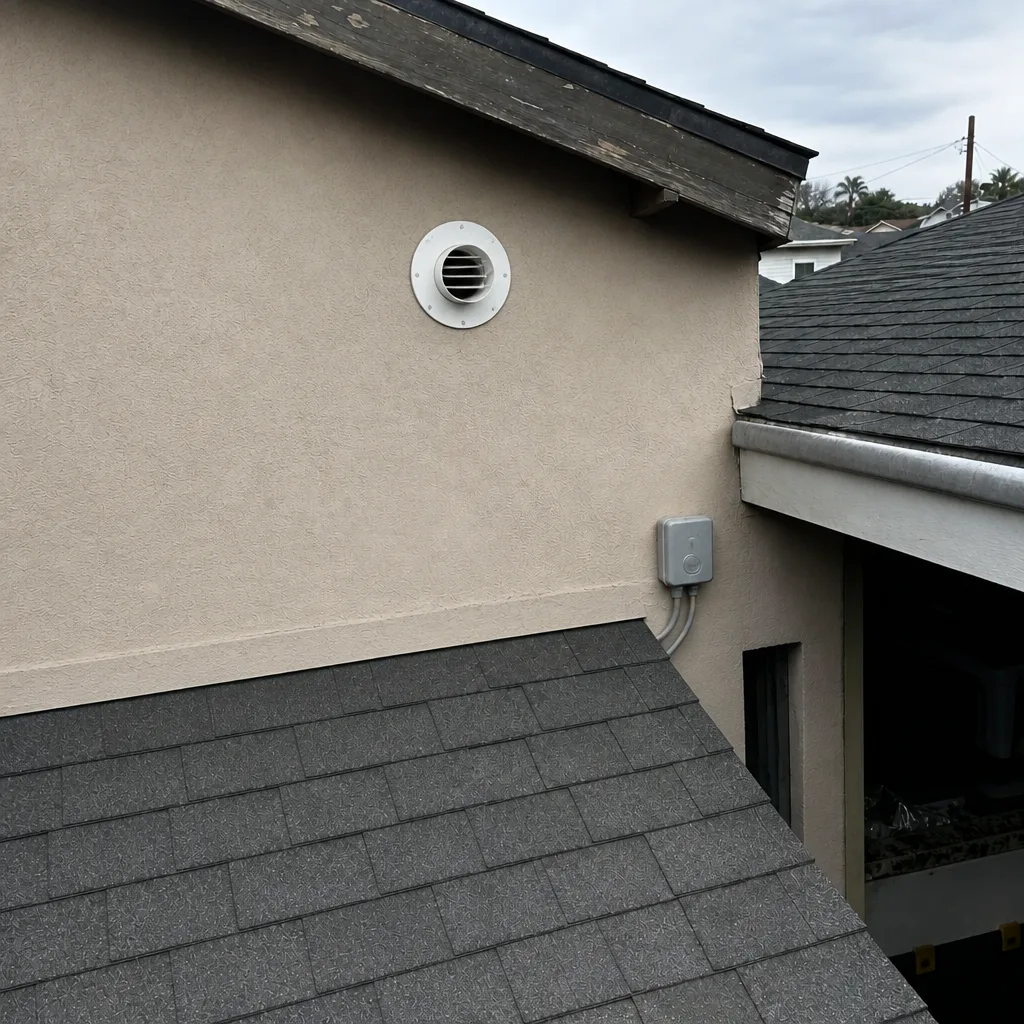
See the difference
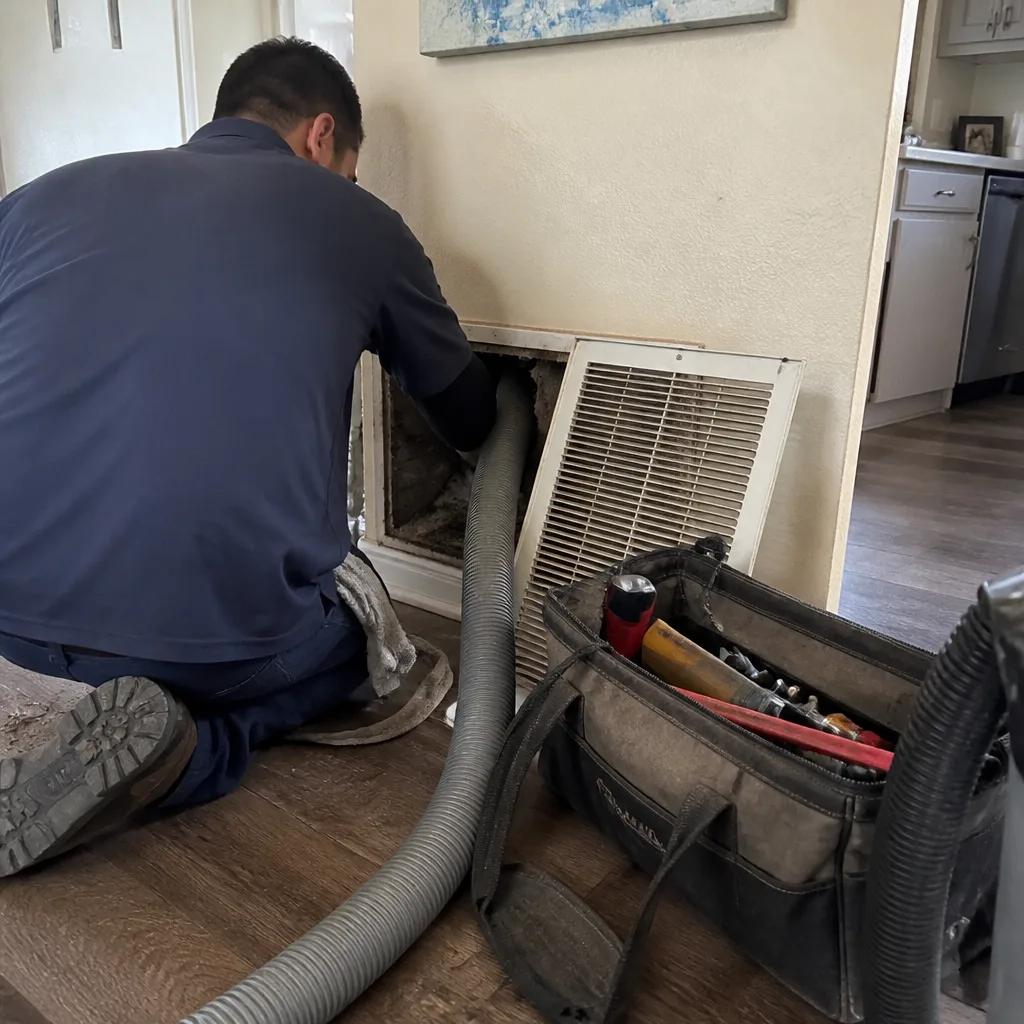 Before
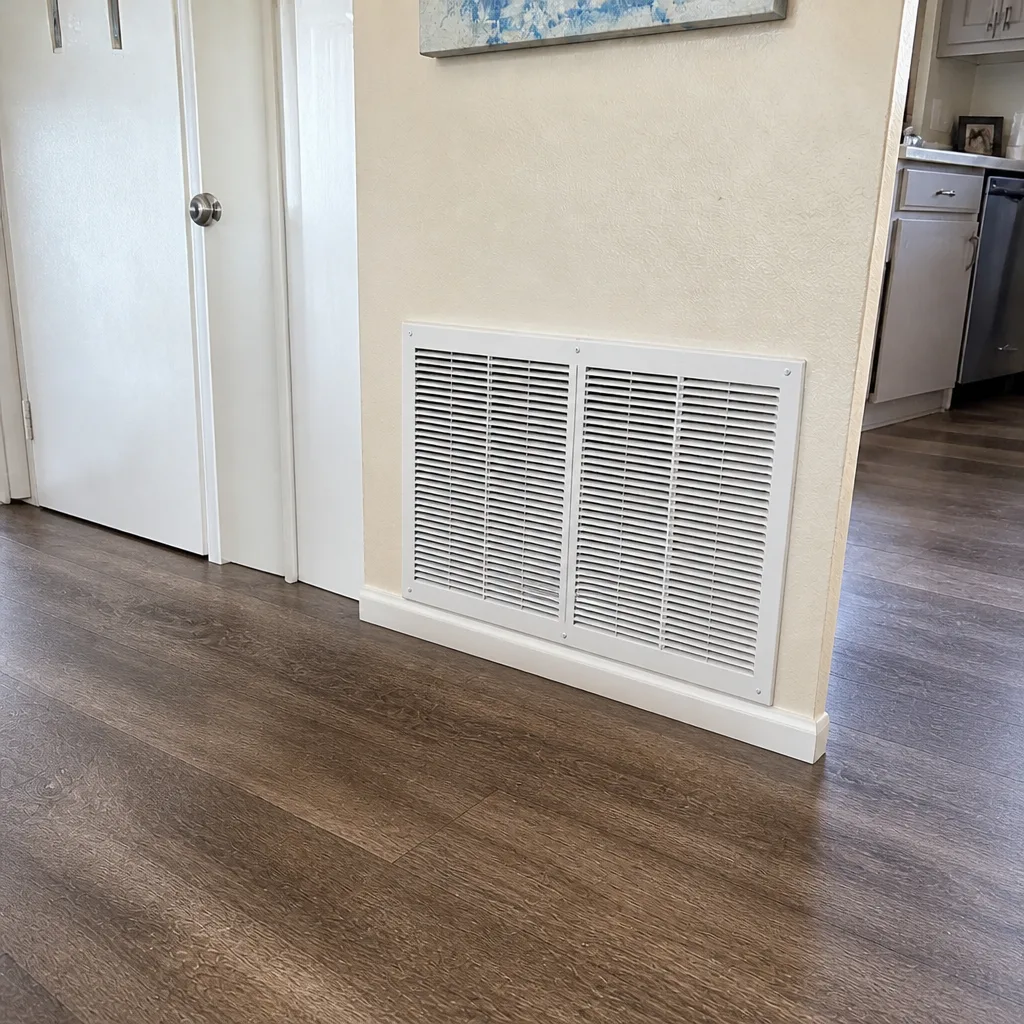 After
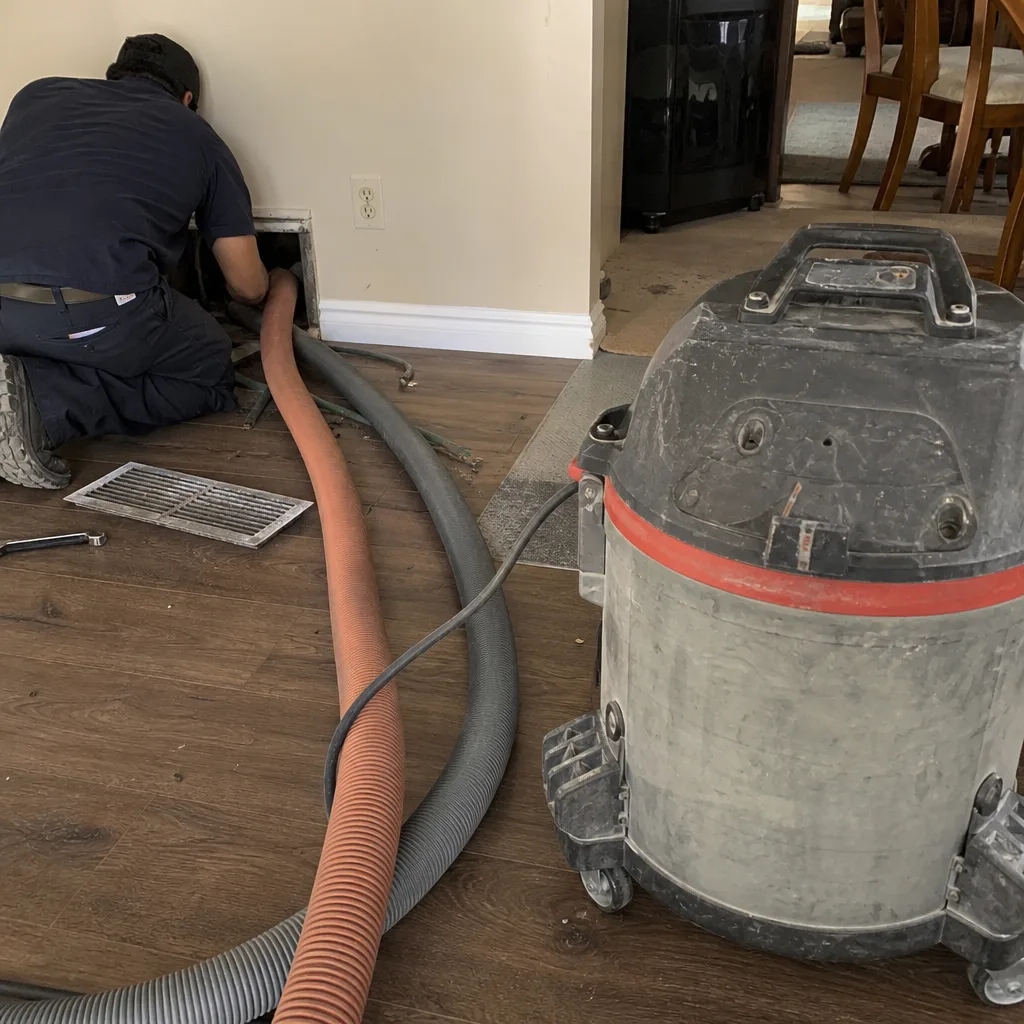 Before
 After
 Before
 After
Common Mistakes to Avoid
- Using a leaf blower to “blow out” the ducts. This takes debris that was settled and makes it airborne, then pushes it through the system and out the registers into the living space. It is the single worst duct cleaning method we can imagine, and we hear about it more often than you’d expect.
- Pushing a brush from the register into the duct run. This compacts debris into the far end of the run and pushes contamination deeper into the system, past the point where any consumer tool can reach it.
- Removing and cleaning only the visible register boots. This gives a false sense of completion. The register boot is the least important surface in the duct run from an air quality perspective.
- Running a humidifier or dehumidifier and then blaming the ducts for odor. Moisture management is a separate issue from duct contamination, and conflating them wastes time and money on the wrong fix.
- Assuming a “duct cleaning” coupon from a mailer reflects professional-grade work. The duct cleaning industry has a bait-and-switch problem, and the discount operators are the prime offenders. If the price seems dramatically below the market range, ask what equipment they use and what the price covers. Professional equipment costs money to operate, and that reality shows up in honest pricing.
- Cleaning after a renovation without sealing the system first. Post-renovation cleaning should be one of the final steps, after all drywall sanding and finish work is complete. Cleaning mid-renovation just means cleaning the ducts twice.
When to Call a Professional
If your Redondo Beach home has ductwork that hasn’t been professionally cleaned in five or more years, you see persistent dust accumulation within days of cleaning, you smell musty odors when the HVAC runs, you’ve completed a renovation that generated drywall dust or construction debris, or household allergy symptoms persist despite clean filters and clean registers, the DIY ceiling has been reached. Professional source-removal cleaning with rotary brush agitation and HEPA extraction is the only approach that addresses contamination past the first elbow. Duct Cleaning Redondo Beach offers free estimates in Redondo Beach. Call (877) 358-4828. We answer 24/7. Fast dispatch from 7am to 7pm, Sunday through Friday.
Frequently Asked Questions
Professional whole-system air duct cleaning in Redondo Beach generally ranges from $450 to $1,100 for a typical single-family home, depending on system size, number of returns, accessibility, and contamination level. The estimate should be a written, fixed-price agreement before work begins. Call (877) 358-4828 for an exact quote. Estimates are free.
Cheap duct cleaning quotes usually reflect cheap equipment and an incomplete process. Operators using shop vacs and basic brushes can’t perform true source-removal cleaning, so their operating costs are lower and their prices reflect that. If a quote is dramatically below the market range, ask what equipment they use and what specifically the price covers. Professional Rotobrush and Nikro HEPA equipment costs real money to run, and that reality appears in honest pricing. Call (877) 358-4828 for a fixed-price estimate.
A professional source-removal cleaning should include before-and-after visual verification of the ductwork interior. The contractor should be able to show you what the ducts looked like before cleaning and what they look like after. If a company won’t or can’t show you the results, that’s a legitimate concern. Call (877) 358-4828 to discuss our process and verification approach.
Most homes benefit from professional air duct cleaning every three to five years, though homes with pets, recent renovations, or persistent allergy issues may warrant more frequent service. Redondo Beach homes with older duct systems that have never been cleaned should consider a professional cleaning sooner rather than later. Call (877) 358-4828 for an assessment of your system.
A shop vac can clean the visible register boots and the first 18 inches or so of accessible ductwork, but it cannot reach the majority of the duct run where contamination accumulates. The debris that affects air quality lives 4 to 12 feet in, past the first elbow, and consumer suction cannot dislodge or capture it. DIY has a legitimate maintenance role, but it is not a substitute for source-removal cleaning. Call (877) 358-4828 for a professional assessment.
The air duct cleaning industry has a reputation problem because of discount operators who bait customers with low prices and then either upsell aggressively or perform superficial work. The service itself is legitimate when performed with professional equipment: rotary brush agitation, HEPA vacuum extraction, and proper containment. The question is whether the contractor uses professional-grade equipment or a shop vac. Ask what equipment they use. If the answer doesn’t include a rotary brush system and HEPA vacuum, you’re not getting source-removal cleaning. Call (877) 358-4828 to discuss our equipment and process.
The Bottom Line
The DIY versus professional air duct cleaning decision in Redondo Beach comes down to a simple question: where is your contamination? If it’s at the register boot and the visible first section of the run, a shop vac and some elbow grease will handle it. If it’s past the first elbow, which is where the particulate that affects air quality actually accumulates, only rotary brush agitation paired with HEPA extraction will remove it. Professional-grade equipment, not shop-vac shortcuts, is the difference between cleaning what you can see and cleaning what you breathe. For a Redondo Beach home with aged ductwork, pets, renovation history, or persistent dust, the professional approach isn’t an upsell. It’s the only approach that reaches the problem.
Written by the team at Duct Cleaning Redondo Beach, serving Redondo Beach since 2017.