
Last updated November 4, 2026
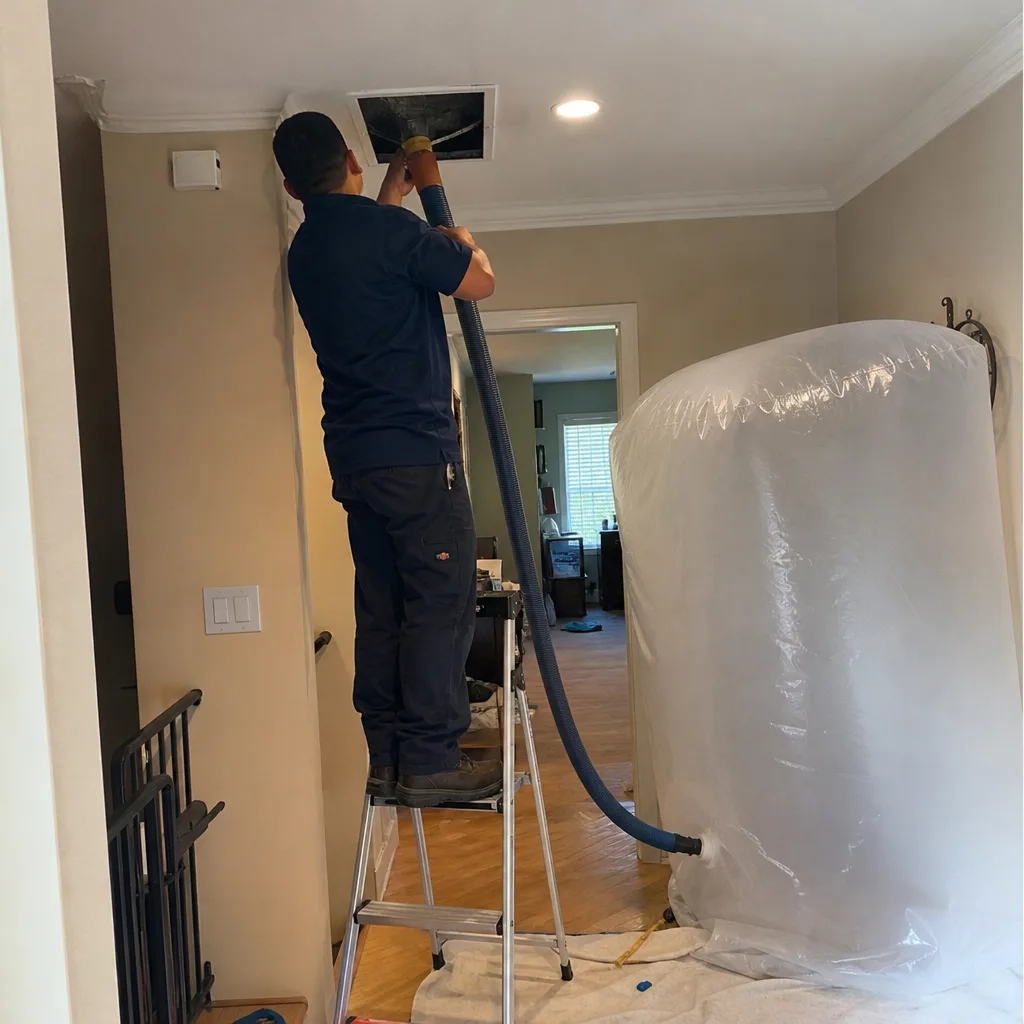
 Whole-home duct cleaning
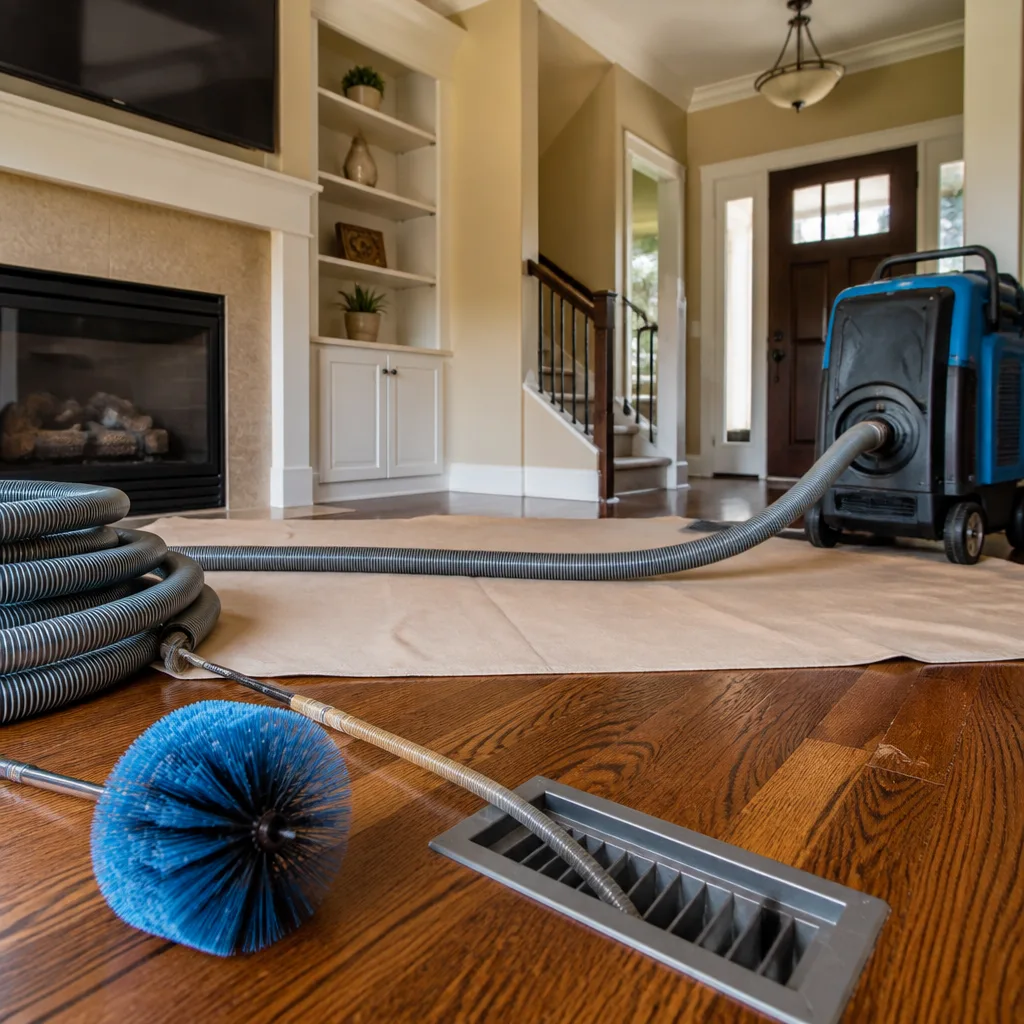
 Dryer vent cleaning
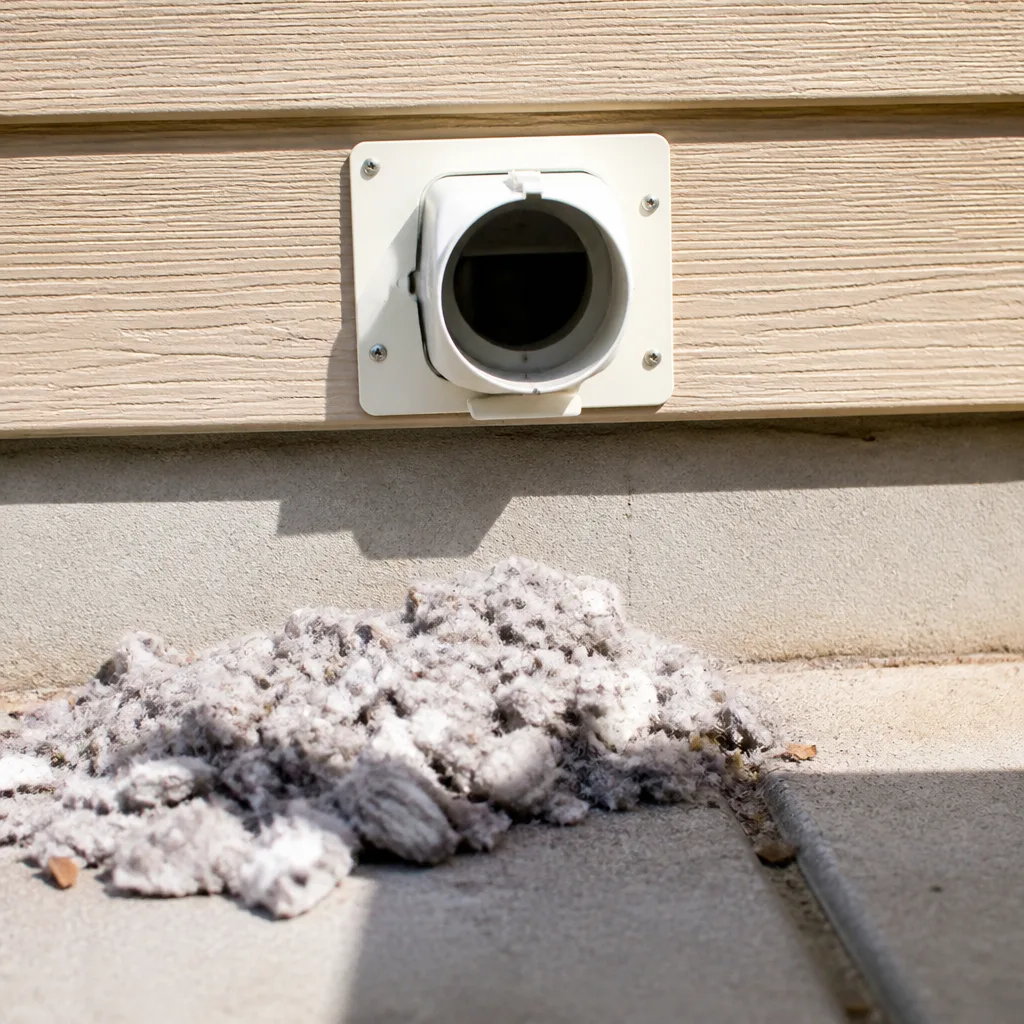
 Camera inspection
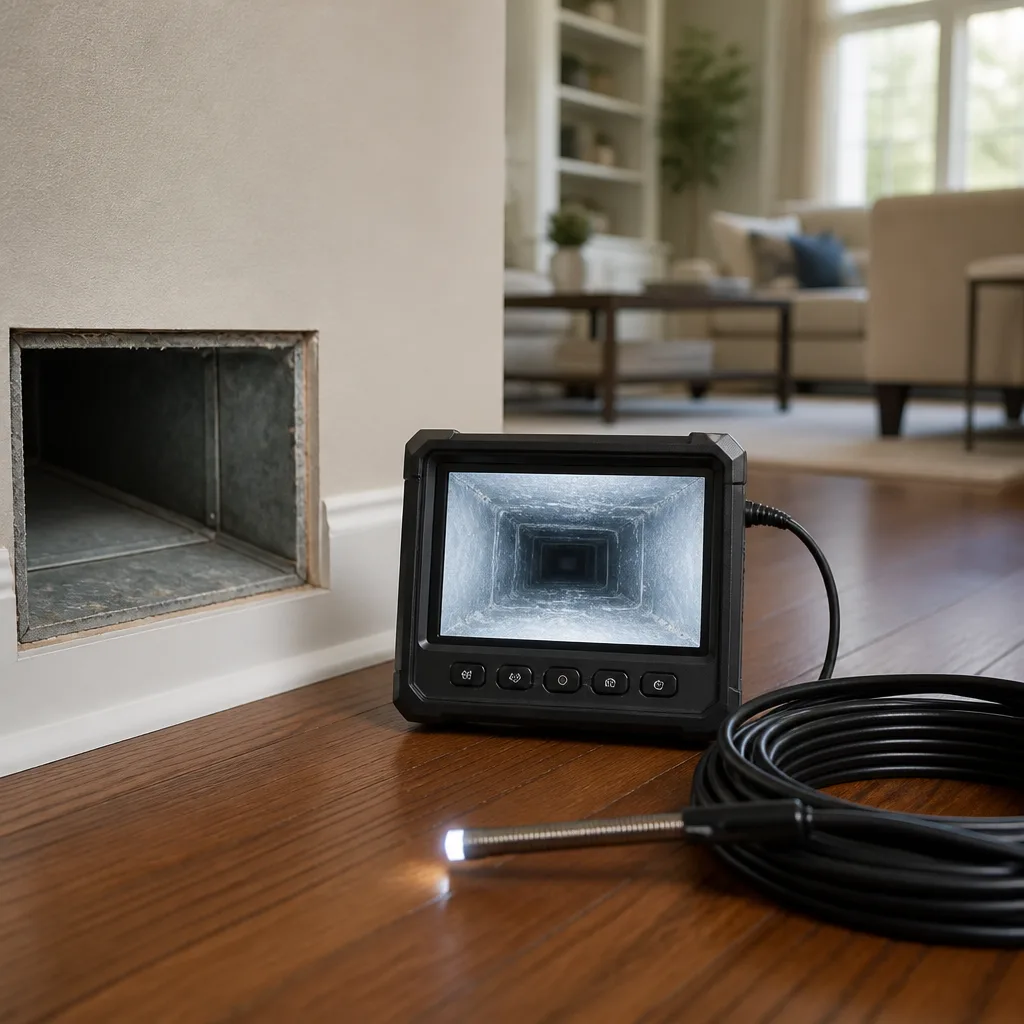
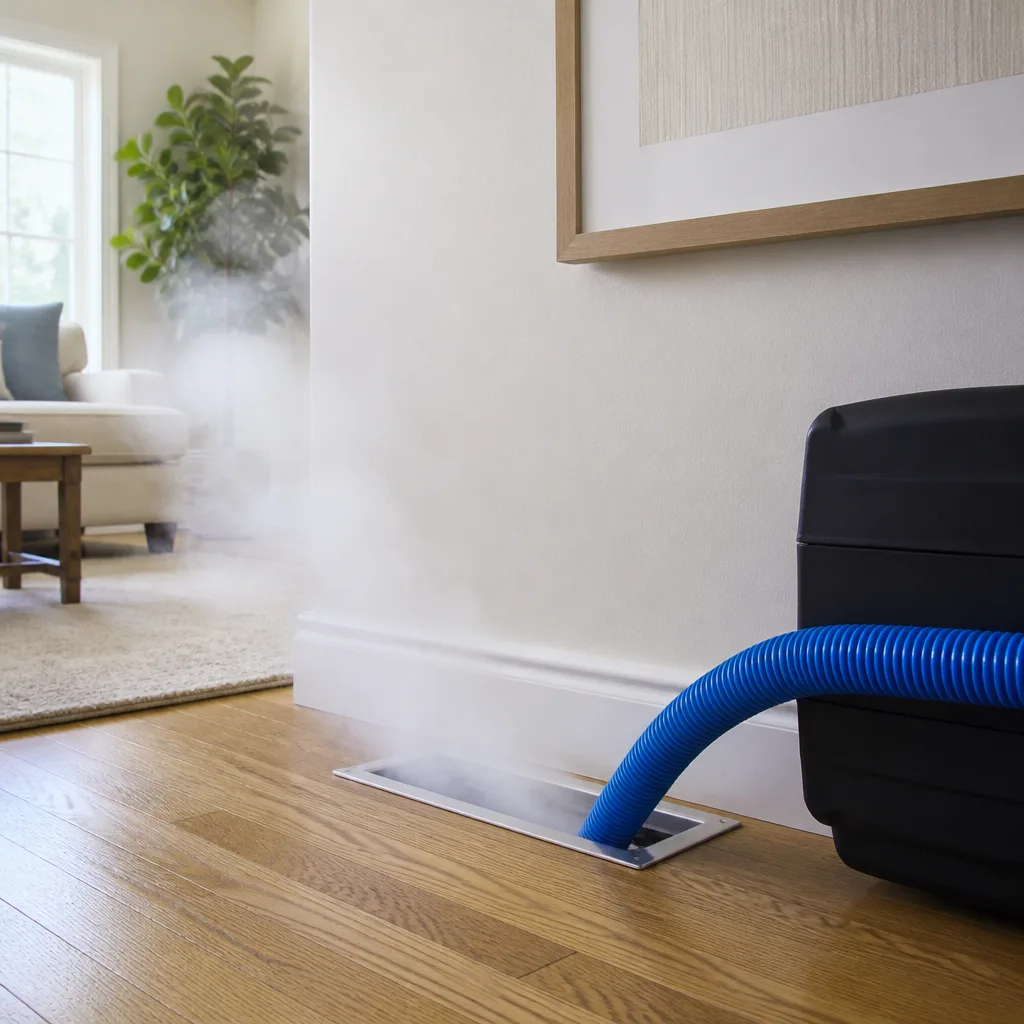 Sanitizing & deodorizing
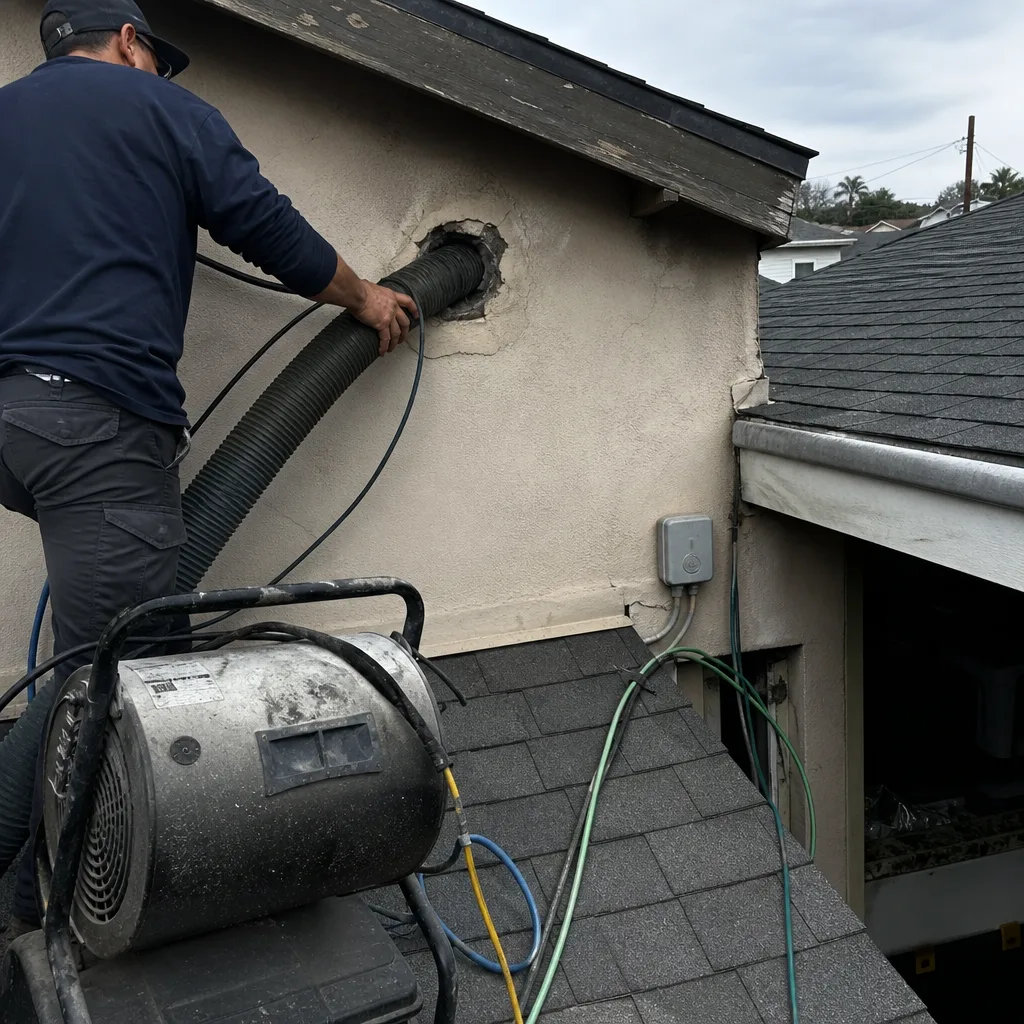
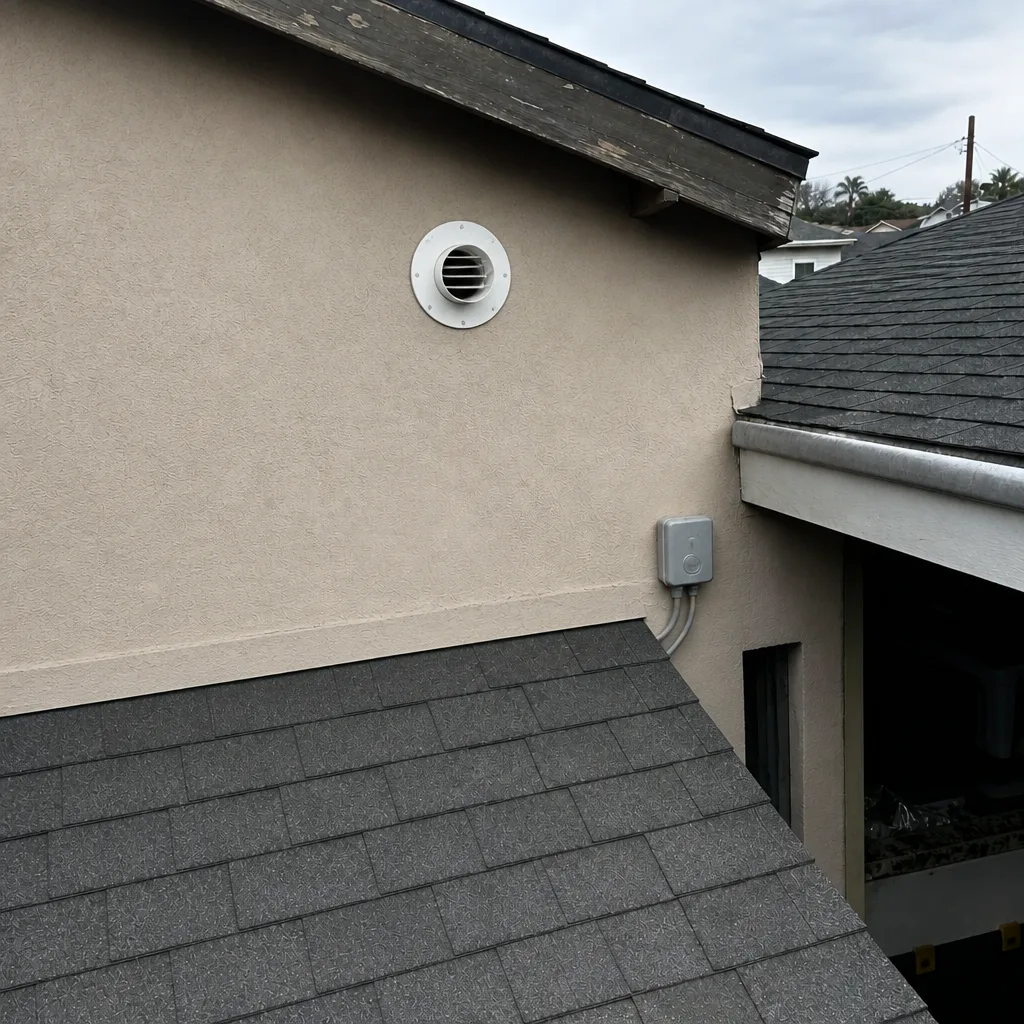
Whole-system duct and dryer vent check with before-and-after photos - you see exactly what came out of your vents
That "$99 whole-house special" is a bait ad - the real number appears once they are in your hallway, or the "clean" is a shop-vac at the register. We photograph the inside of your ducts before and after instead.
Air Duct Cleaning Emergency Preparedness Guide for Redondo Beach Homes
Most homeowners think of air duct cleaning as routine maintenance, something you schedule every few years when the dust gets noticeable. That thinking leaves you exposed. Redondo Beach sits in a corridor where three distinct emergency scenarios, wildfire smoke, seismic events, and moisture intrusion after heavy coastal rains, each demand a different ductwork response. Running your HVAC system without understanding which contaminant you’re dealing with, or worse, treating all three the same way, is how homes end up with contaminated air long after the emergency itself has passed. This guide breaks down what actually happens inside your ductwork during each event, what to do in the first 48 hours, and how to prepare now so you’re not making decisions under pressure.
Quick Answer
Air duct cleaning emergency preparedness in Redondo Beach means knowing three separate response protocols: shut down HVAC during active wildfire smoke and switch to upgraded filtration before restarting, inspect flex duct connections and register boots after any earthquake over magnitude 4.0, and treat any crawl space flooding as a 48-to-72 hour mold clock requiring HEPA extraction and duct drying. A documented baseline of your duct system, including photos and prior cleaning dates, is the single most useful preparedness step you can take before anything happens.
Styles & brands we work with
- Whole-home duct cleaning
- Dryer vent cleaning
- Camera inspection
- Sanitizing & deodorizing
Table of Contents
- Wildfire Smoke Protocol: Shutdown vs. Filtration Run
- Post-Earthquake Duct Inspection Checklist
- Flood and Moisture Intrusion: The 48-Hour Clock
- Pre-Emergency Preparedness: Building Your Duct System Baseline
- What HEPA Extraction Actually Does After an Emergency
- Containment Discipline: Why Post-Emergency Cleaning Is Different
- Duct Repair After an Event: What Cleaning Alone Leaves Behind
- Dryer Vent Emergencies: The Overlooked Post-Event Hazard
Wildfire Smoke Protocol: Shutdown vs. Filtration Run
After the 2025 Palisades fire, air quality monitoring showed elevated PM2.5 levels in coastal South Bay communities for 11 consecutive days. Homes in Redondo Beach that ran HVAC systems during that window without upgraded filtration pulled combustion particulates directly into return ducts, where they settled on duct walls, blower assemblies, and evaporator coils. The residue from wildfire smoke isn’t ordinary household dust. It contains fine carbon particles, volatile organic compounds, and sometimes material from burned structures, not just vegetation. This residue is finer than typical dust, electrostatically attracted to duct surfaces, and can off-gas odors for months.
The protocol for smoke events is specific, and the first decision matters most. During active heavy smoke, the Environmental Protection Agency’s general guidance for homes with central HVAC is to run the system continuously with the highest-MERV filter your blower can handle, not to shut it down entirely. That’s because a running system with a MERV 13 or better filter actually reduces indoor particulate by cycling air through the filter medium. But that only works if your filter is installed correctly and your ductwork doesn’t have leaks pulling unfiltered attic or crawl space air into the return side. In Redondo Beach homes with older flex duct systems, return-side leakage is common, and it means running the blower during a smoke event actively pulls contaminated attic air into your living space. We’ve inspected ducts after smoke events where the return plenum showed heavy soot staining while the supply registers stayed relatively clean. The system was pulling smoke through gaps in the return duct, bypassing the filter entirely.
Before any smoke event, know your filter slot dimensions and the highest MERV rating your blower can accommodate without restricting airflow enough to stress the motor. Most residential systems handle MERV 11 to MERV 13 without issue. Honeywell and Aprilaire both make compatible media filters in standard residential sizes, and swapping to one of these during smoke season is straightforward. If you don’t know your filter size, that’s a preparedness gap worth closing now, not when visibility is down to half a mile.
After the smoke clears, the inspection criteria change. You want a visual check of the return plenum, the blower wheel, and the first few feet of supply trunk for soot deposition. You want the evaporator coil inspected if your system has central air conditioning, because smoke residue on coil fins reduces heat exchange efficiency and can hold odor. And you want the filter replaced immediately, regardless of how new it looks. Smoke-saturated filters off-gas. The cleaning response for wildfire residue is source removal, not agitation. A Rotobrush rotary-brush system physically dislodges soot from duct walls while a Nikro HEPA vacuum pulls the dislodged material out at the point of contact. That matters because smoke particulate is fine enough to re-aerosolize if you blow it around with compressed air. We contain it, extract it, and remove it from the property.
Post-Earthquake Duct Inspection Checklist
Redondo Beach sits within a seismically active region, and any earthquake strong enough to rattle dishes is strong enough to shift ductwork. The connections that fail first are almost always the same ones: flex duct to register boot, flex duct to trunk line, and air handler mounting points. A moderate earthquake doesn’t typically collapse ductwork, but it does loosen connections that were already marginal, and a loosened connection becomes a leak. Leaks on the supply side push conditioned air into attics and crawl spaces. Leaks on the return side pull unfiltered air, insulation fibers, and whatever else lives in those spaces into your air stream.
We recommend a structured inspection after any earthquake that made you stop and look around. The sequence matters because the most consequential damage is often the least visible. Here’s the checklist, in order of priority:
- Air handler mounting. Check whether the unit has shifted on its platform or hanging straps. A shifted air handler stresses every duct connection attached to it, and a tilting unit can trap condensate where it doesn’t belong.
- Flex duct connections at the air handler. Look for visible sagging, gaps, or shiny duct tape that has peeled away. Run your hand along the connection with the system off. If you feel air movement when the blower kicks on, you have a leak.
- Register boots in the attic and crawl space. These are the sheet metal boxes that connect flex duct to the grille you see in the ceiling or floor. Seismic movement can separate the boot from the drywall or subfloor, creating a gap that lets conditioned air dump into the void space.
- Flex duct support integrity. Look for sections of flex duct that were once supported by straps or saddles and are now drooping. Sharp bends and long unsupported runs choke airflow and put strain on connections.
- Damper positions. Manual volume dampers can rotate in an earthquake. A damper that’s now closed or partially closed in a branch line starves that room of airflow and raises static pressure across the system.
- Return plenum connections. These are often duct-boarded and sealed with mastic. Seismic movement cracks rigid mastic seals. A cracked return plenum seal pulls whatever is around it into your air stream.
The reason we emphasize inspection before cleaning after an earthquake is simple: cleaning a duct system with a disconnected boot or a separated return plenum sends dislodged debris through the gap and into areas you can’t recover. The repair has to come first, then the cleaning. That’s why our team handles both, one crew, full scope. We identify the separation, resecure the connection, and then run the source-removal cleaning with Rotobrush and Nikro equipment. For a general overview of air duct cleaning, this sequence always applies: structural integrity before contaminant removal.
Flood and Moisture Intrusion: The 48-Hour Clock
Heavy winter rains in Redondo Beach push groundwater up through slab cracks and crawl space vents in lower-lying neighborhoods. When standing water sits in a crawl space, the humidity in that enclosed area climbs quickly, and flexible ductwork running through the crawl space absorbs that moisture. The inner liner of flex duct is a food source for mold when it’s wet. The outer vapor barrier actually traps moisture if there’s a puncture, creating a pocket where colonization can start. The accepted timeline in the remediation industry is that mold colonization on wet organic material begins within 48 to 72 hours. That’s your clock, and it starts when the water arrives, not when you notice the problem.
The remediation sequence for flooded crawl spaces follows a specific order. Skipping steps means repeating the work:
- Stop the water source. If groundwater is still entering, the crawl space will not dry. Sump pumps or perimeter drainage work come before any ductwork response.
- Remove standing water and begin drying. Dehumidification and air movement in the crawl space create conditions where duct exterior surfaces can release moisture instead of absorbing more.
- Inspect flex duct for saturation. Compress the duct between your fingers. If moisture transfers to your hand, or if the outer jacket feels heavy, the insulation and inner liner are saturated.
- Replace or repair saturated flex duct sections. Wet flex duct insulation does not dry out reliably in place. The insulation value drops, the liner holds moisture against the air stream, and the risk of mold growth inside the duct increases.
- HEPA vacuum extraction of the remaining duct system. Once damaged sections are addressed, the rest of the system should be cleaned with high-efficiency particulate capture to remove spores, dust, and debris that entered during the flood event.
- Run dehumidification in the living space during and after cleaning to pull residual moisture from registers and hard pipe sections.
One distinction worth making clearly: not every wet crawl space means every duct needs replacement. Often the damage is localized, sections running through standing water or sitting in saturated soil. But the inspection has to happen quickly, and it has to be visual, not just a humidity reading. A crawl space can show 60% relative humidity while a specific flex duct run shows visible water staining and liner delamination. That duct needs to come out. Others may be fine with cleaning and drying. The point is to know which is which before the 72-hour mark, not after a musty smell develops in the bedrooms three weeks later. We’ve been serving Redondo Beach since 2017, and we’ve seen what happens when homeowners wait out a crawl space flood hoping it dries on its own.
Pre-Emergency Preparedness: Building Your Duct System Baseline
The most valuable emergency preparedness step for your duct system costs nothing and takes about an hour. It’s a documented baseline: photos, dates, and repair records that establish what your system looked like before an event. After a major emergency, insurance adjusters, restoration contractors, and duct cleaning crews all ask the same questions. What did the system look like before? When was it last cleaned? Was there pre-existing damage? Homeowners who can answer those questions with documentation move through claims and scoping faster, and they get more accurate repair scopes because the baseline eliminates guesswork.
The baseline doesn’t need to be elaborate. A phone camera is enough. But it needs to cover specific components:
- Return grilles and filter slots. Photograph the filter area before and after filter changes. This documents your filtration diligence and the condition of the return side.
- Supply registers in each room. Close-up photos of register faces and the first inch of duct behind the grille. This shows whether dust accumulation is new or pre-existing.
- Visible ductwork runs in the attic and crawl space. Wide shots showing support straps, connection points, and mastic seals. After an earthquake, you compare these to the current condition.
- Air handler and coil. Photos of the blower cabinet, filter access, and any exposed coil surfaces. This documents the mechanical condition baseline.
- Cleaning and repair records. Write down the date of your last Duct Cleaning Redondo Beach service, what was done, and what recommendations the technician made. Keep it in a cloud folder with the photos.
Store this baseline somewhere accessible from your phone, not on a hard drive that could be destroyed or a paper file that could be lost. A cloud photo album or a shared note with your household works. The baseline becomes the reference point for everything else in this guide. Without it, post-emergency inspection means guessing what changed. With it, a technician can look at a separated boot, compare it to a photo from six months ago, and tell you definitively that the earthquake caused the separation, not age. That distinction matters for insurance claims and for scoping repair work correctly.
What HEPA Extraction Actually Does After an Emergency
Standard duct cleaning and post-emergency duct cleaning are different jobs with different equipment requirements, even though they use the same tools. The difference is the contaminant load. Routine cleaning deals with household dust, pet dander, and construction debris from remodeling. Post-emergency cleaning deals with wildfire soot, earthquake-generated fiberglass particulate, mold spores from flood intrusion, or some combination. These contaminants are finer, more hazardous, and more likely to stay airborne if the extraction method isn’t sealed and filtered at the point of contact.
HEPA filtration captures 99.97% of particles at 0.3 microns. That’s the standard, and it’s what separates professional containment from shop-vac shortcuts. A consumer vacuum with a standard filter pulls larger debris but exhausts fine particulate right back into the room, sometimes at higher velocity than it was originally moving. In a post-emergency scenario, that’s actively spreading the contaminant you’re trying to remove. A Nikro HEPA vacuum system moves the filtration to the collection point. The vacuum pulls dislodged material through the hose, into the collection drum, and through a HEPA filter before anything exhausts. Nothing recirculates into the living space. When we run a Rotobrush rotary-brush down a duct after a smoke event, the brush mechanically dislodges soot from the duct wall while the Nikro vacuum immediately extracts it at the point of contact. The particle never gets a chance to re-settle or escape through a register.
This matters in post-emergency scenarios because the particle size of wildfire soot is typically well under 1 micron. Earthquake debris includes pulverized drywall and fiberglass, also fine. Mold spores range from 1 to 30 microns depending on species, with the most common indoor varieties falling in the 2 to 10 micron range. All of these are in the zone where HEPA filtration provides meaningful capture efficiency. A standard vacuum bag or a cheap electrostatic filter is not doing the job, no matter how clean the ducts look afterward. The visual result isn’t the standard. The standard is what’s in the air after the cleaning, and that’s what containment discipline controls.
Containment Discipline: Why Post-Emergency Cleaning Is Different
When you’re removing hazardous particulate loads from ductwork, the discipline around the cleaning process matters as much as the equipment doing the work. This is where the difference between a professional post-emergency response and a routine cleaning shows up. A routine cleaning in a Redondo Beach home might not require aggressive containment because the material being removed is household dust. It’s not pleasant, but it’s not hazardous. Wildfire soot, post-earthquake fiberglass, and mold spores are a different category. You don’t want them migrating from the ducts into the living room during the cleaning process.
We deploy Abatement Technologies air filtration units on-site during cleaning jobs that involve hazardous particulate. These are the same negative air machines and HEPA air scrubbers used in professional remediation environments, not consumer air purifiers. They create continuous air exchange in the work area, pulling airborne particles through HEPA filters while the cleaning is in progress. The practical effect is that any particulate that escapes containment during the dislodging process gets captured by the air scrubber before it settles into furniture, carpet, or lungs. This is standard practice in the remediation industry, but it’s rare in the duct cleaning industry, where many companies don’t have this equipment or choose not to deploy it because it adds time and cost. It matters most when the contaminant is fine enough to stay airborne for hours, which is exactly what wildfire soot does.
Aprilaire and Honeywell make good whole-home filtration products for ongoing air quality management, and we’re familiar with both lines when homeowners ask about filtration upgrades after an event. But the filtration upgrade is a separate step from the cleaning itself. You clean first, then upgrade filtration on a system that isn’t already contaminated. Putting a MERV 13 filter into a system that’s still holding soot in the return plenum just means the filter loads faster and the soot stays in the ducts. The sequence is: clean, repair, then filter. We incorporate Guardsman-brand products into our service process where they support the outcome, but the equipment is only as good as the containment discipline around it. Professional-grade equipment, not shop-vac shortcuts, is the whole point.
Duct Repair After an Event: What Cleaning Alone Leaves Behind
Cleaning removes contaminants. It does not restore damaged ductwork. After a Redondo Beach earthquake, a disconnected flex run doesn’t get cleaner, it gets air movement through a gap instead of through the duct. After crawl space flooding, a saturated flex duct doesn’t dry out because someone ran a brush through the inside. The liner may look clean, and the insulation is still wet. After a smoke event, a return duct with a pre-existing hole keeps pulling unfiltered attic air into the system no matter how thoroughly the duct interior was cleaned.
This is why we approach every post-emergency job as an inspection-and-repair job before it’s a cleaning job. The sequence we follow is consistent: assess system integrity, repair confirmed damage, then clean. We’ve seen too many homes where a cleaning-only contractor pulled debris out of a duct system that had a six-inch separation in the crawl space, declared the job done, and left the homeowner with a system that was re-contaminated within weeks. The homeowners paid for cleaning that didn’t address the problem because the problem wasn’t dirt. It was a broken duct.
Dryer vent cleaning follows similar logic after an event. An earthquake can shift a dryer vent transition duct, especially the flexible foil or semi-rigid sections behind the dryer. A flood can soak the vent run and leave lint accumulation that’s now wet, compacted, and primed for mold. A smoke event coats the vent interior with fine particulate that mixes with lint and reduces airflow. All of these scenarios require inspection for damage before cleaning, and repair where the vent run itself is compromised. We clean it and fix it, because the two aren’t separate services when the problem is an event, not just age.
Dryer Vent Emergencies: The Overlooked Post-Event Hazard
Dryer vents don’t get much attention in emergency preparedness discussions, but they should. A dryer vent that was marginal before an event becomes hazardous after one. The vent run from a Redondo Beach laundry room to an exterior wall or roof often passes through the attic or crawl space, the same spaces where earthquake damage and flood damage occur. When flex duct separates at a connection inside an attic, hot humid air and lint exhaust into the enclosed space. A separated vent in a crawl space does the same thing into an area that’s already prone to moisture problems.
The inspection is straightforward. After any earthquake, pull the dryer out and check the transition duct connection at both ends. The semi-rigid or foil transition behind the dryer is the most common failure point because it flexes every time the dryer moves, and it’s often the least supported section of the vent run. Check the connection at the wall penetration. Check for visible sagging in any accessible rigid vent sections. If you can access the attic or crawl space where the vent runs, look for separations at joints and elbows. The vent should be continuous from dryer to exterior termination, with all joints secured and sealed.
Post-flood, the concern shifts to moisture interaction with accumulated lint. Lint in a vent run is already a fire hazard under normal operation. Wet lint, which is denser and more compact, reduces airflow further and creates conditions where microbial growth can occur inside the vent. The response is the same as the main duct system: dry the environment, inspect the vent run for damage, replace sections that are saturated or separated, and clean the remainder. The cleaning here is mechanical, using rotary brush systems designed for vent interiors, not for main trunk lines. Lint is hygroscopic and holds moisture, so don’t assume a vent that’s been sitting in a flooded crawl space is fine just because it looks intact from the outside.
Common Mistakes to Avoid
- Running HVAC continuously during heavy smoke without checking return duct integrity first. If your return duct has leaks, continuous blower operation pulls unfiltered, smoke-laden attic air into your living space. The filter only works on air that actually passes through it.
- Waiting to inspect ductwork after an earthquake until you “feel like” there might be a problem. Duct separations in attics and crawl spaces are invisible from the living area. By the time you notice a warm room or a musty smell, the system has been leaking for weeks.
- Assuming a flooded crawl space will dry out on its own in Redondo Beach’s mild climate. The humidity in a contained crawl space drops slowly, and wet flex duct insulation stays wet for days or weeks. The 48 to 72 hour mold clock doesn’t pause because the weather outside is pleasant.
- Hiring a cleaning-only contractor after an emergency without confirming they can also repair damaged ductwork. Cleaning a broken system leaves you with a clean broken system. The repair has to come first, and not every duct cleaner is equipped to do both.
- Replacing filters after a smoke event but skipping duct inspection. A new MERV 13 filter does nothing for soot that already settled inside the return plenum. The filter protects against what’s coming, not what’s already there.
- Using a shop vac or consumer vacuum to “clean” duct interiors after an emergency. Without HEPA filtration at the collection point, fine particulate like soot and mold spores gets exhausted back into the room. The job looks done and the air is worse than when you started.
- Not documenting your duct system before an event. After the emergency, you’ll need to prove what changed. Photos and cleaning records from before the event make insurance claims and repair scopes faster and more accurate.
See the difference
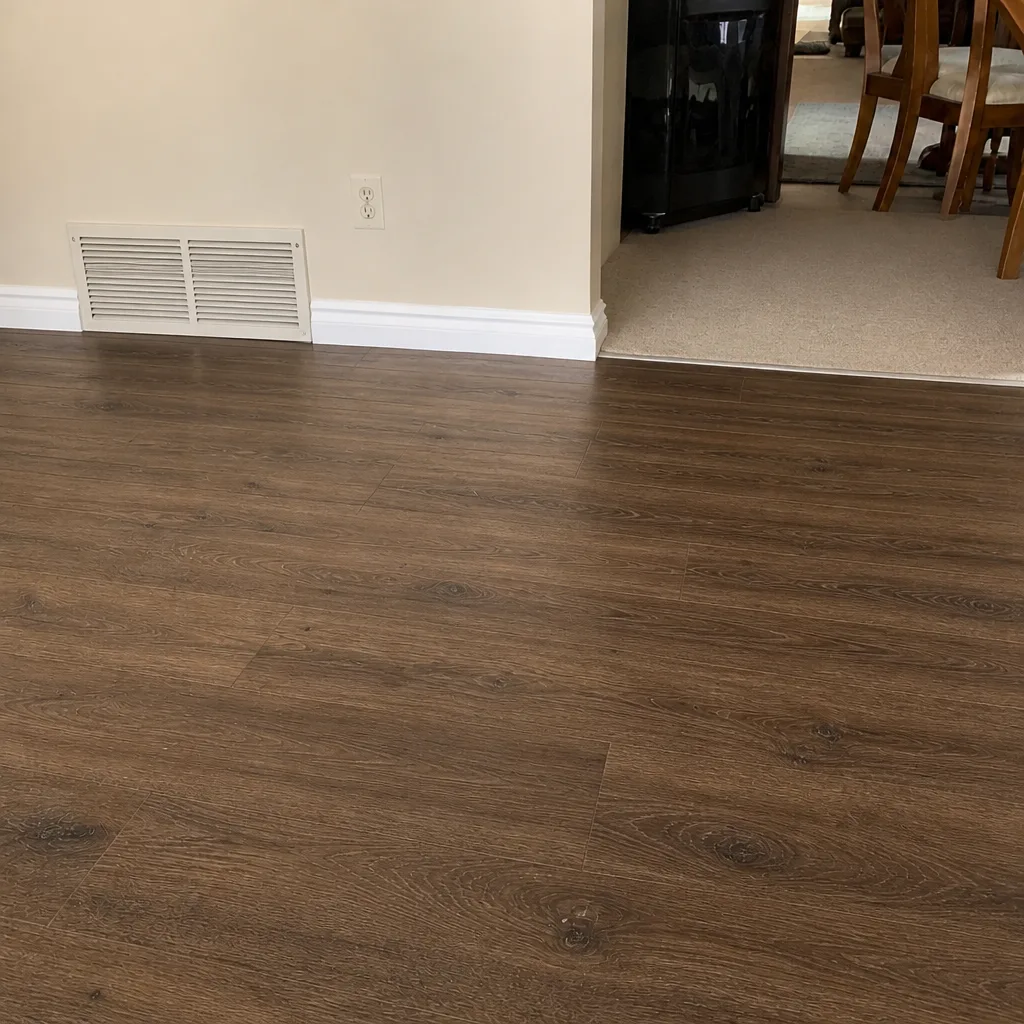
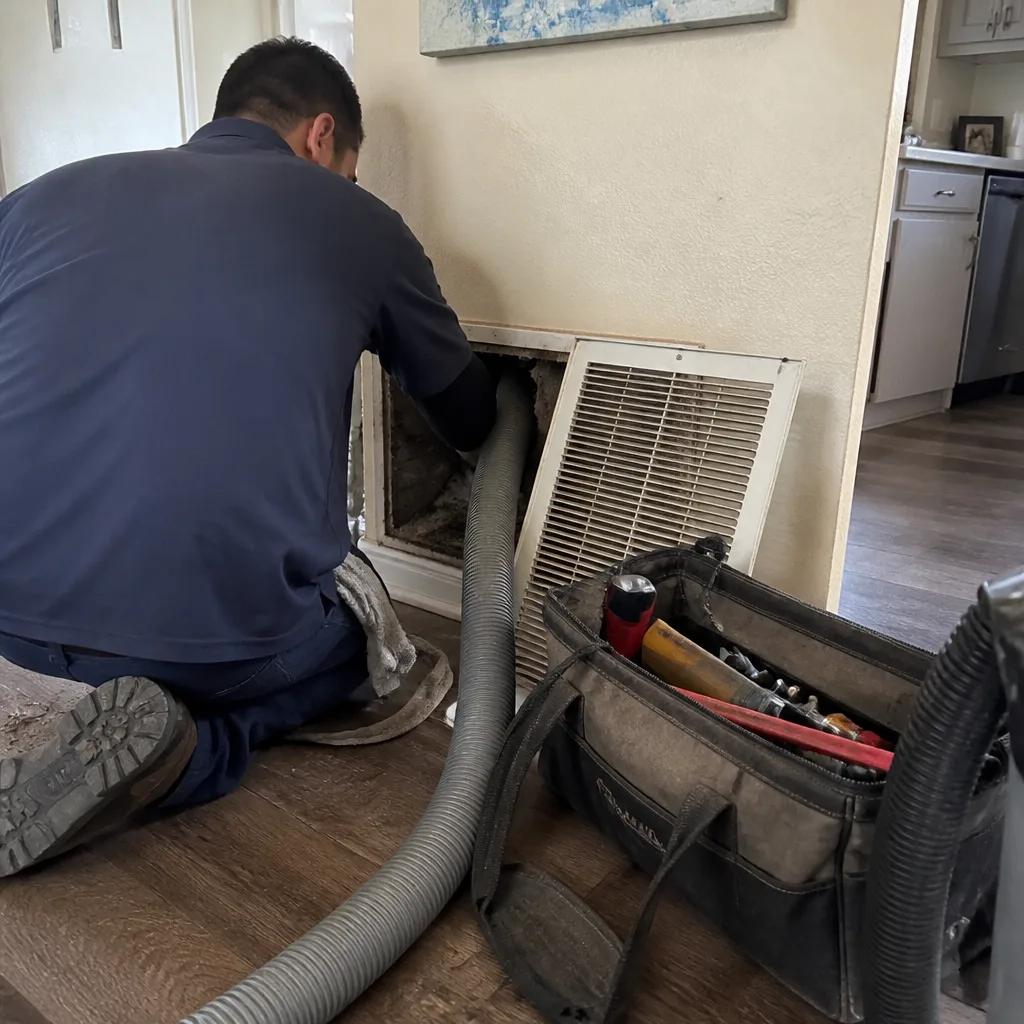 Before
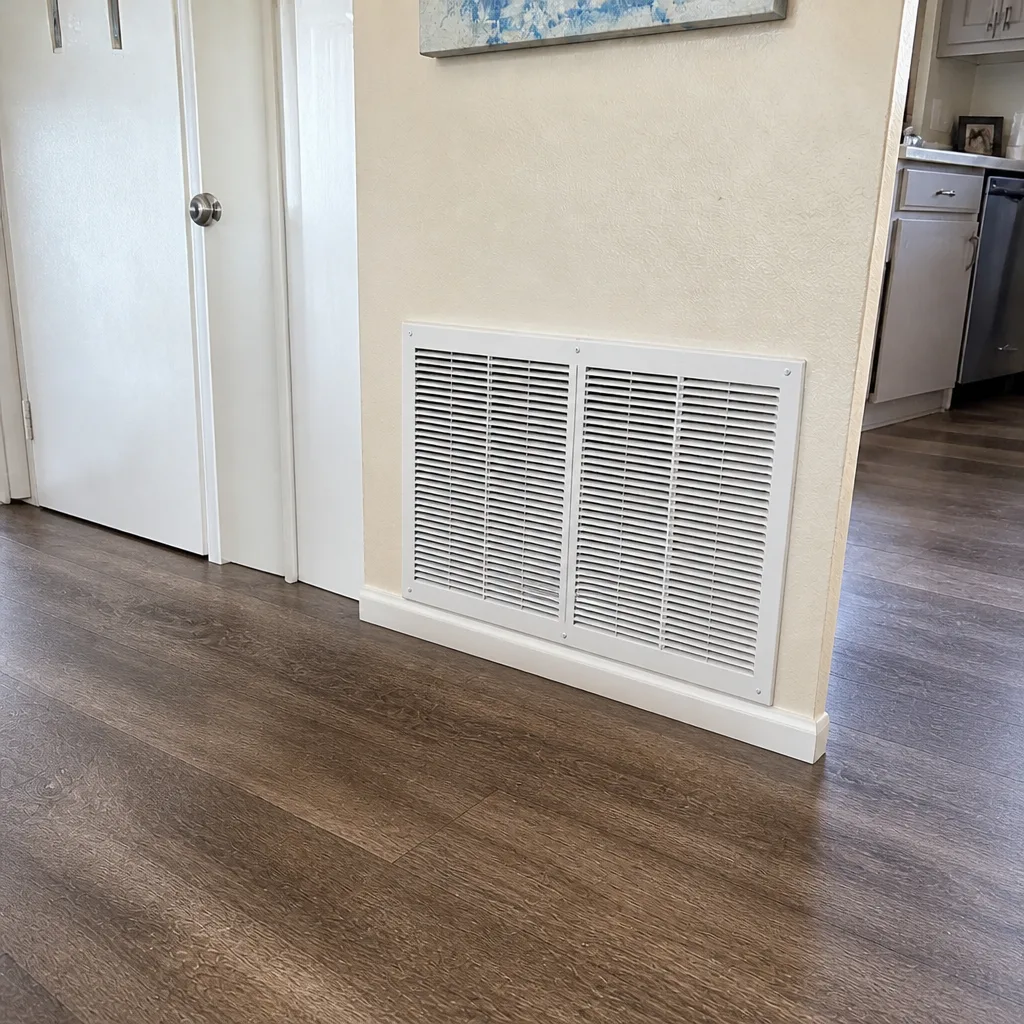 After
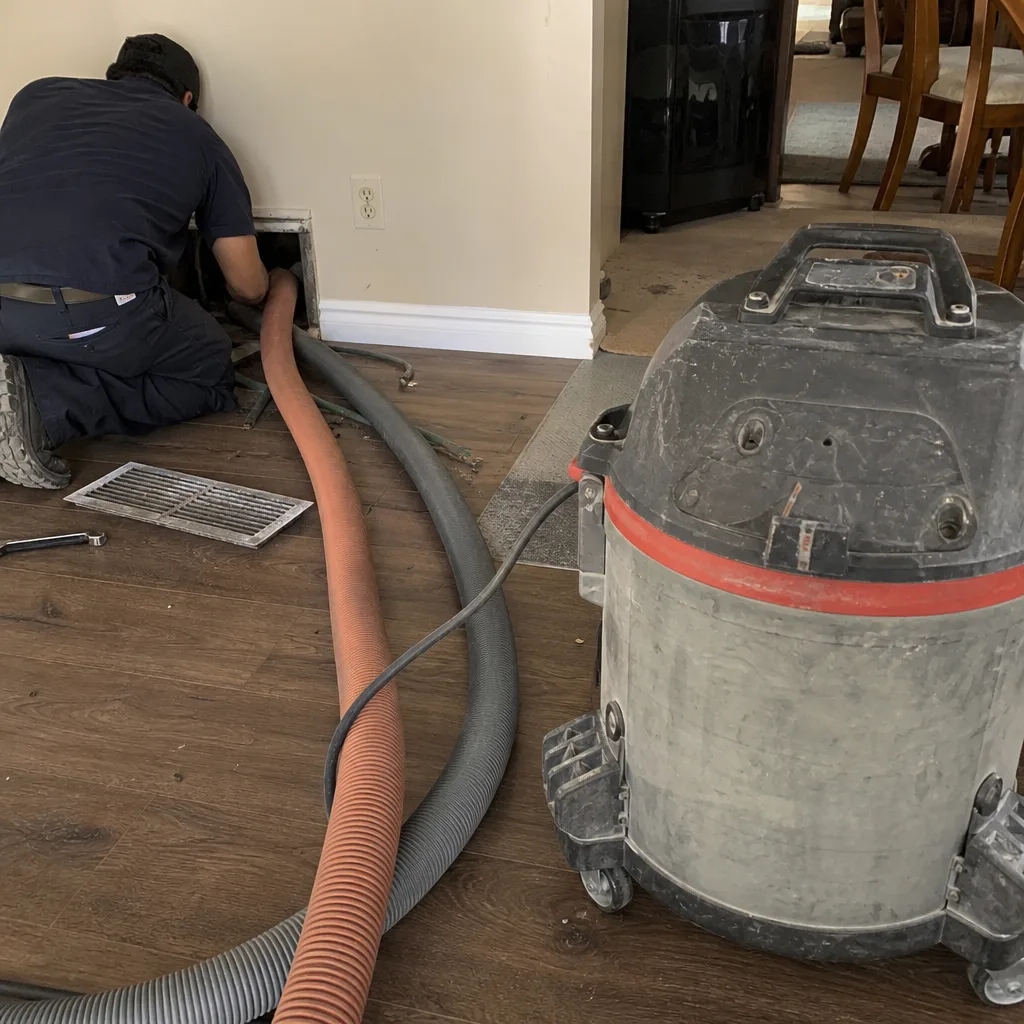 Before
 After
 Before
 After
When to Call a Professional
Call a professional when the contaminant is hazardous, when the system is damaged, or when you don’t have the baseline to tell the difference. That means after any wildfire smoke event that left visible soot on surfaces or kept your HVAC running for multiple days with outdoor AQI over 150. It means after any earthquake strong enough to shift furniture or open cabinet doors, regardless of whether you can see duct damage from inside the house. And it means within 72 hours of any crawl space flooding or major moisture intrusion that affected ductwork areas. Duct Cleaning Redondo Beach offers free estimates in Redondo Beach. Call (877) 358-4828. We answer 24/7. Fast dispatch from 7am to 7pm, Sunday through Friday. A call outside dispatch hours is booked into the next opening, Sunday through Friday, 7am to 7pm.
Frequently Asked Questions
Schedule a duct inspection as soon as outdoor air quality returns to safe levels and you’re no longer running your HVAC under emergency filtration conditions. The soot that settled during the event isn’t going anywhere on its own, and the inspection should happen before you resume normal system operation with standard filters.
It depends on the type and location of the damage. A separated return duct pulling attic air into the system isn’t an immediate fire hazard, but it’s pulling unfiltered air and potentially insulation fibers into your living space. A shifted air handler or a crushed flex run could cause airflow restriction that stresses the blower motor. Inspection before continued operation is the safest approach.
HEPA vacuum extraction refers specifically to vacuum systems with HEPA filtration at the collection point, meaning particles down to 0.3 microns are captured rather than exhausted back into the room. After a flood, the contaminant load includes mold spores and possibly bacteria, which are fine enough to require HEPA-grade capture. Standard vacuum equipment without HEPA filtration is not appropriate for post-flood ductwork.
Taping over supply registers doesn’t prevent smoke entry because the return side is still pulling air into the system, and duct leaks in attics and crawl spaces bypass any register-level sealing. The effective approach is upgraded filtration at the air handler, combined with a system that doesn’t have significant return-side leakage. If you’re taping registers, you’re addressing the wrong side of the system.
You look for indirect signs: rooms that used to heat or cool evenly now have temperature differences, airflow from registers feels weaker in some rooms than others, your energy bill rises without explanation, or you hear rattling from the duct area when the blower runs. Any of these justifies a professional inspection with access equipment. The damage won’t be visible from inside the house.
Coverage depends on the specific policy language and the cause of the contamination. Some policies cover duct cleaning as part of remediation after a covered peril, others may only cover it if the ductwork itself was physically damaged. Ask your insurer directly, and have your pre-event baseline documentation ready. The written estimate sets the final price for any work we scope. Call (877) 358-4828 for a free estimate.
The Bottom Line
Redondo Beach homeowners face three distinct ductwork emergency scenarios, and each requires a different response. Wildfire smoke demands filtration upgrades before the event, shutdown decisions during it, and source-removal cleaning with HEPA extraction after it. Earthquakes demand systematic inspection of connections and boots, with repair before cleaning. Flood and moisture intrusion demands speed, because the 48 to 72 hour mold clock doesn’t wait for insurance adjusters. The common thread is that cleaning alone is never enough after an event. You need inspection to find damage, repair to fix it, and then professional-grade source removal to clear contaminants, all with containment discipline when the particulate is hazardous. Document your system now, because the baseline you build before the emergency is the tool that makes everything after it faster and more accurate.
Written by the team at Duct Cleaning Redondo Beach, serving Redondo Beach since 2017.