
Last updated November 4, 2026
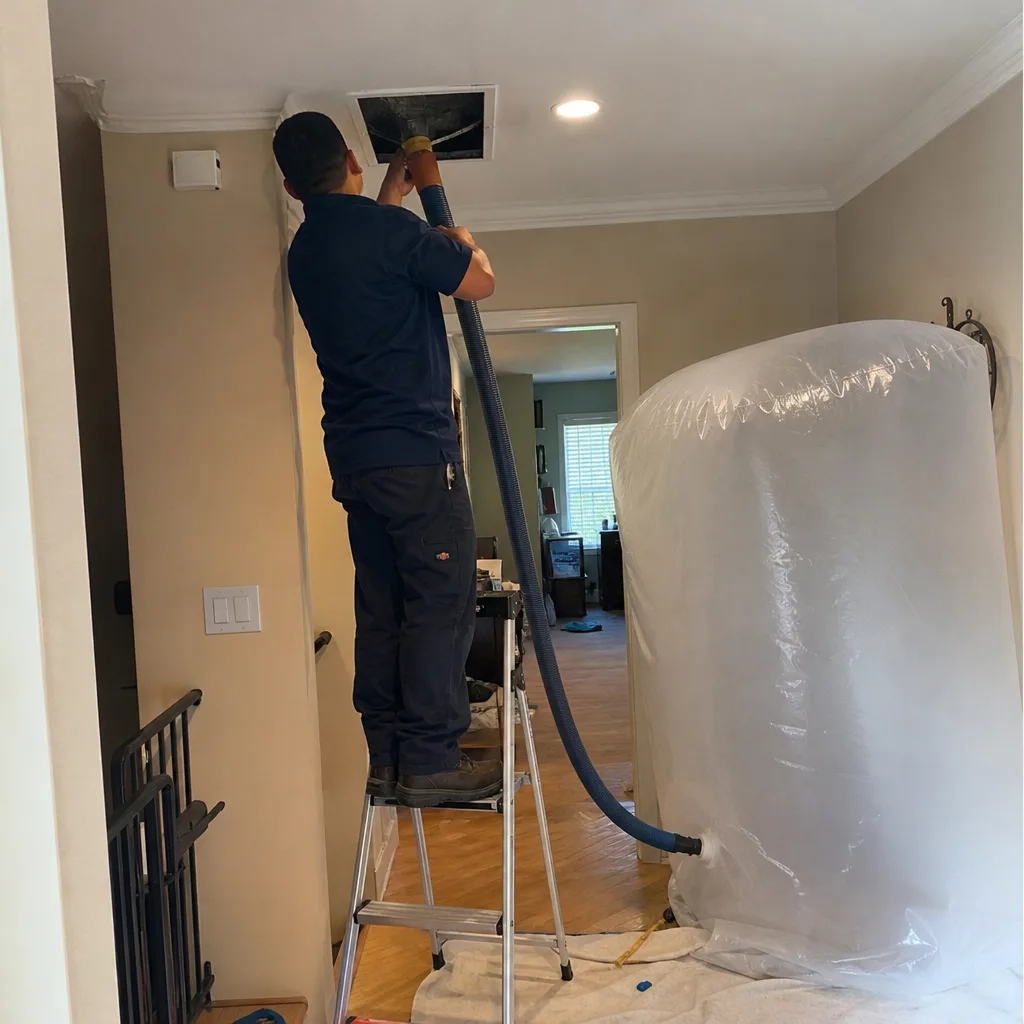
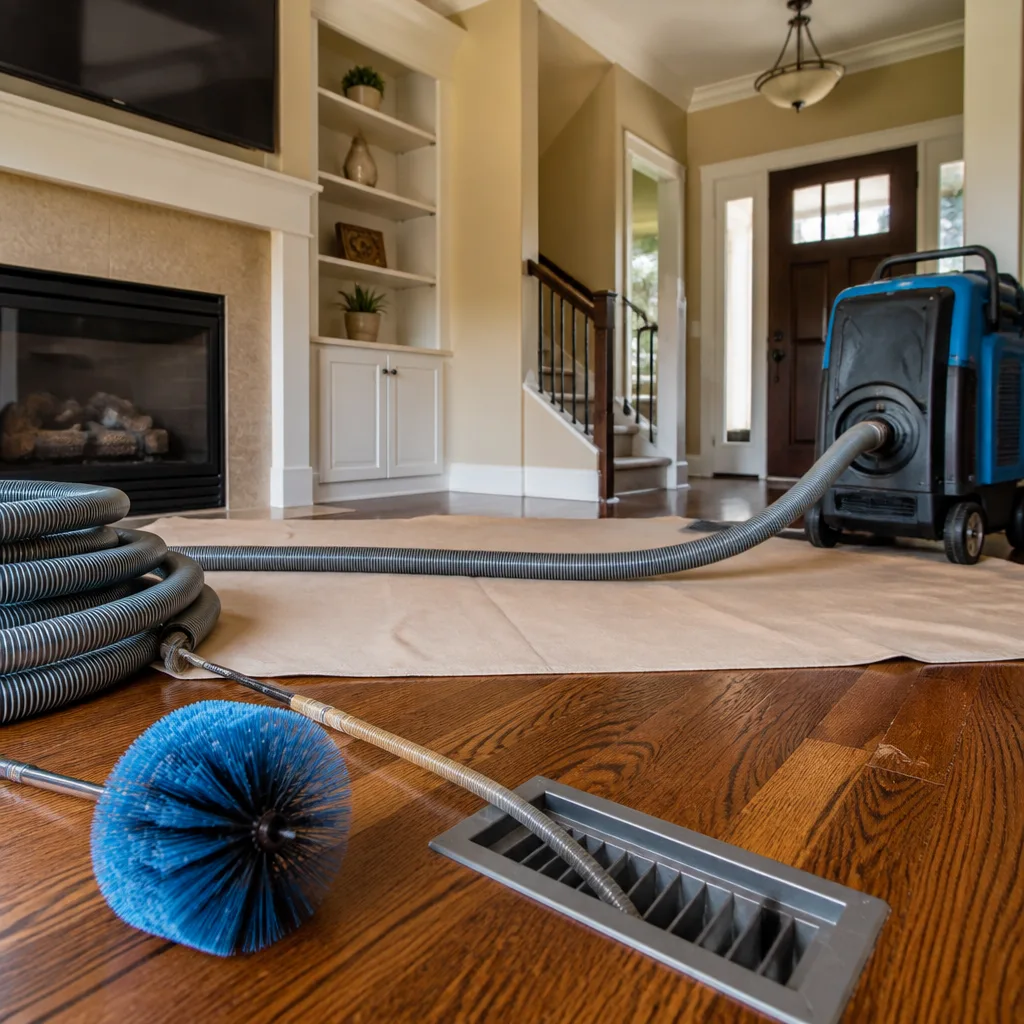 Whole-home duct cleaning
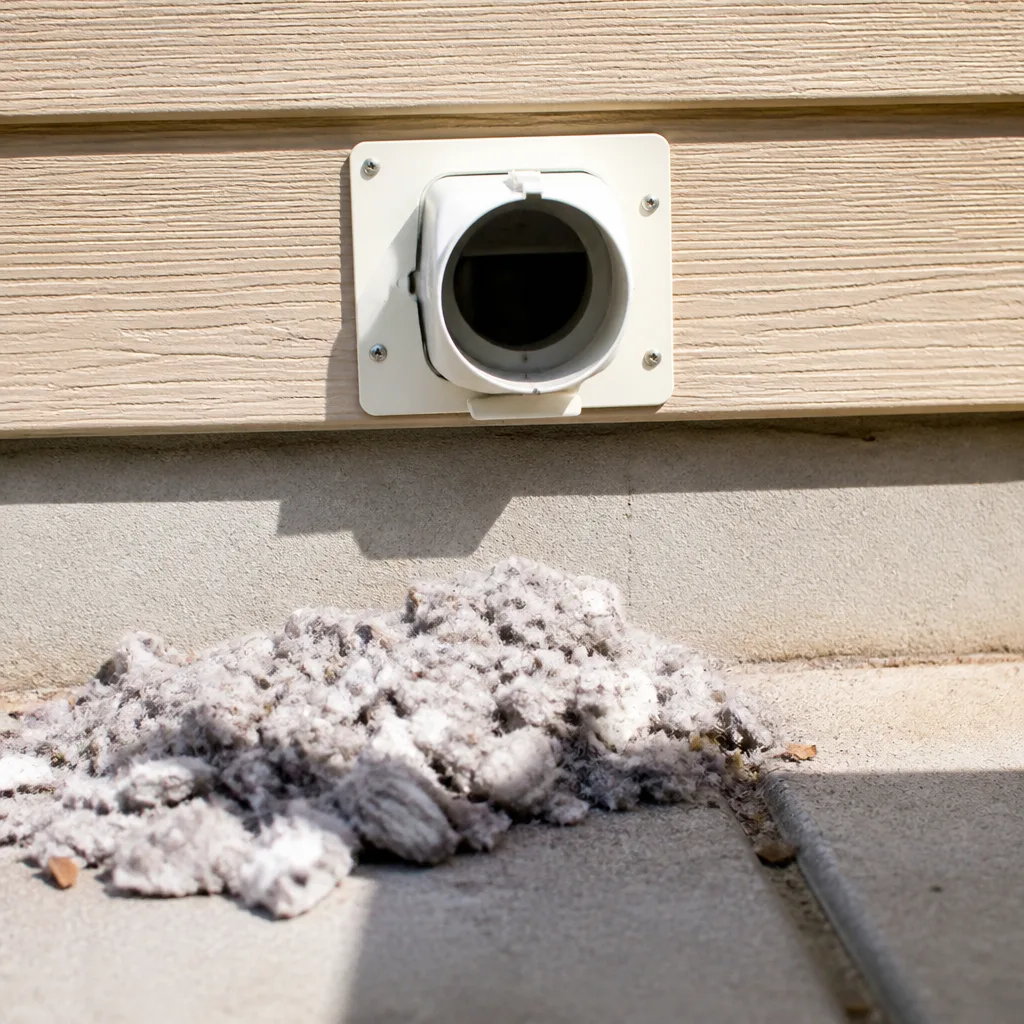 Dryer vent cleaning
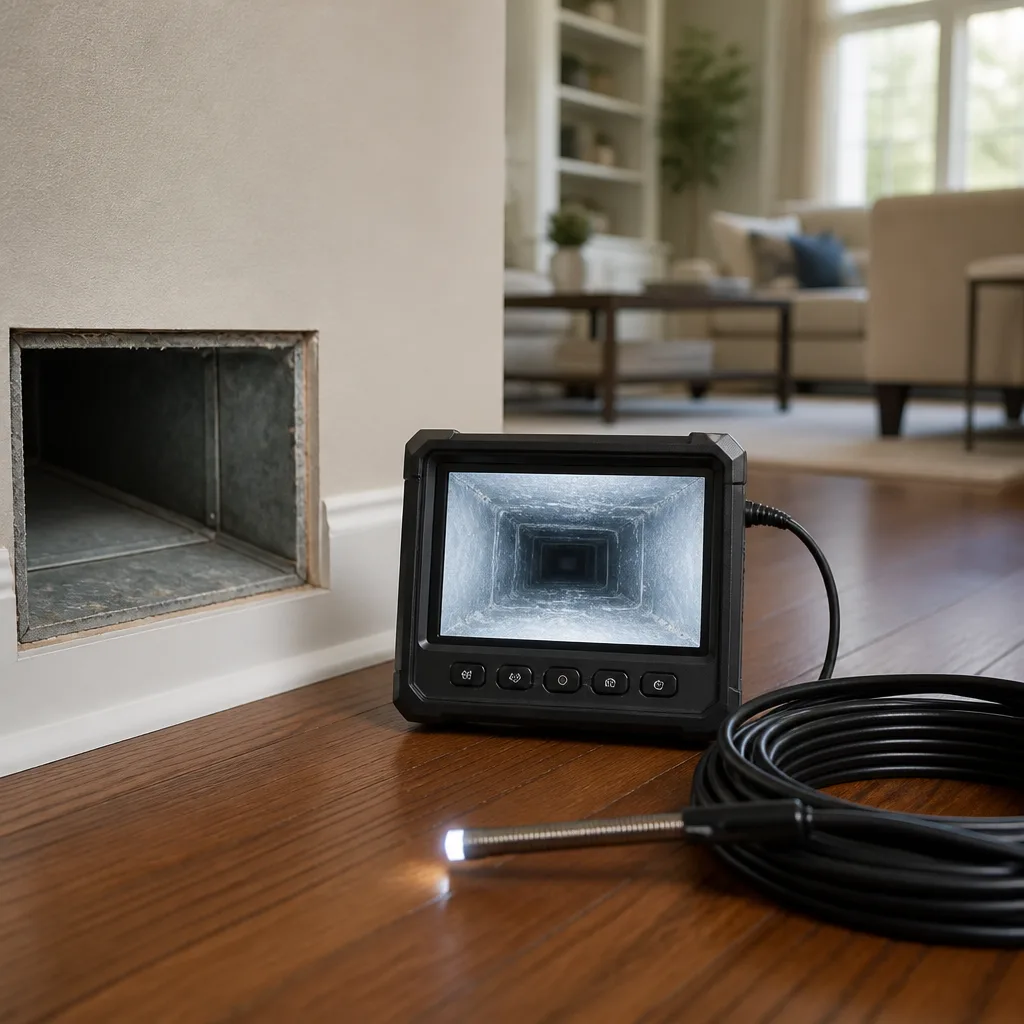 Camera inspection
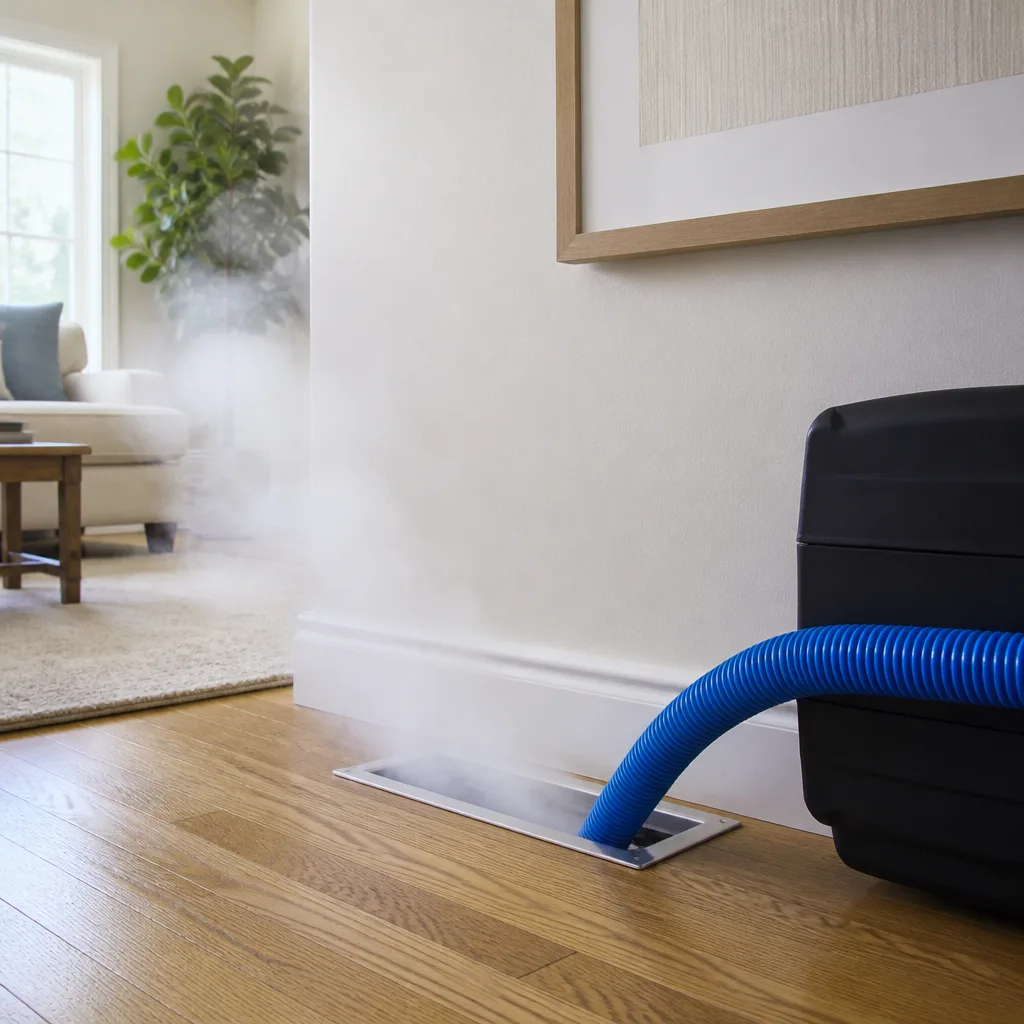 Sanitizing & deodorizing
Whole-system duct and dryer vent check with before-and-after photos - you see exactly what came out of your vents
That "$99 whole-house special" is a bait ad - the real number appears once they are in your hallway, or the "clean" is a shop-vac at the register. We photograph the inside of your ducts before and after instead.
Air Duct Cleaning Permits, Codes & Inspections in Redondo Beach, CA: What You Need to Know
Most Redondo Beach homeowners assume duct cleaning and duct repair live in the same regulatory bucket. They don’t. A routine air duct cleaning job using source-removal equipment like Rotobrush rotary brushes and Nikro HEPA vacuums requires no permit anywhere in California. But the moment a technician adds flex duct, repositions a register, or seals joints with mastic, that job becomes a duct alteration under California Mechanical Code Section 605. Conflating the two has cost homeowners real money at resale, because home inspectors in the South Bay flag unpermitted mechanical work routinely during escrow. This guide draws the exact legal line between cleaning, repair, and alteration, explains what LACDPW expects in Redondo Beach, and tells you what documentation to demand from any contractor who touches your ductwork.
Quick Answer
Air duct cleaning itself requires no permit anywhere in California, including Redondo Beach. What does require permitting is duct alteration: adding flex duct, re-routing runs, adding or repositioning registers, or sealing duct joints with mastic in a way that changes system performance. That work falls under California Mechanical Code Section 605 and typically triggers permits through the Los Angeles County Department of Public Works (LACDPW) building division, which has jurisdiction over Redondo Beach. Title 24 energy compliance can also require a HERS rater verification if sealed ducts are tested for leakage.
Styles & brands we work with
- Whole-home duct cleaning
- Dryer vent cleaning
- Camera inspection
- Sanitizing & deodorizing
Table of Contents
- The Legal Line: Cleaning vs. Alteration vs. Repair
- What California Mechanical Code Section 605 Actually Governs
- LACDPW Jurisdiction and Permitting in Redondo Beach
- Title 24, Duct Sealing, and HERS Rater Verification
- Dryer Vent Rerouting: When a Straight Swap Needs a Permit
- Documentation to Request After Any Duct Repair
- Common Mistakes to Avoid
- When to Call a Professional
- Frequently Asked Questions
The Legal Line: Cleaning, Alteration, and Repair
Here’s the distinction that matters most. Cleaning is the mechanical removal of accumulated dust, debris, and microbial growth from the interior surfaces of an existing duct system. You’re not changing what the duct is. You’re not changing where it goes. You’re not changing how it connects. You’re restoring it to its original functioning condition. Under California law, this is maintenance, not construction. No permit required. No inspection required. No HERS test. Nothing.
Alteration is different. Alteration means you’re changing the physical configuration or performance characteristics of the system. Adding a section of flex duct to extend a run. Moving a supply register from one wall to another. Installing a damper that didn’t exist before. These are modifications to the system’s design, and they trigger the same code provisions as new duct construction.
Repair sits in the middle, and this is where Redondo Beach homeowners get confused. A repair that restores a duct to its original condition, like replacing a damaged section with the same type and size of duct, may not require a permit in every case. But the moment a repair involves a different material, a different diameter, a different routing, or a modification to the connection points, it crosses into alteration territory. The California Mechanical Code draws this line in Section 605, and inspectors interpret it strictly in Los Angeles County.
Why does this matter for a Duct Cleaning Redondo Beach customer? Because a thorough cleaning often uncovers problems. Disconnected sections. Crushed flex runs. Gaps at the plenum connection. Rodent damage. When a cleaning technician finds these, the honest recommendation is repair. The dishonest one is to slap a patch on it and call it day. Knowing whether that repair needs a permit protects you from unpermitted work on your property record.
What California Mechanical Code Section 605 Actually Governs
California Mechanical Code Section 605 covers duct construction, installation, and materials. It governs how ducts are built, what they’re made from, how they’re supported, how they’re sealed, and how they connect to equipment. This is the section that sets requirements for duct insulation, duct clearance from combustibles, and access panels for cleaning and inspection.
Here’s what homeowners need to understand about Section 605 in practical terms:
- Duct material and gauge. Section 605 specifies minimum thicknesses for sheet metal ducts, approved materials for flex duct, and where each can be used. Flex duct, for example, has limitations on length and must be installed per the manufacturer’s listing.
- Duct sealing. The code requires joints and seams to be sealed with approved methods. Mastic is the standard for metal duct. Tape must be listed and labeled for the purpose. When duct sealing is performed as part of new construction or an addition, it’s regulated work.
- Duct support and clearance. Section 605 specifies how often ducts must be supported and how much clearance they need from combustible materials. This matters in Redondo Beach attics, where ducts often run through tight spaces with limited access.
- Duct insulation. In unconditioned spaces like attics, Section 605 requires insulation on supply ducts. R-value requirements come from the California Energy Code, not the Mechanical Code, but the installation standards are enforced together.
The key takeaway: Section 605 applies to construction and alteration, not maintenance. Cleaning existing ducts is outside its scope. But the second a duct is modified, extended, or rebuilt, you’re inside Section 605 territory, and the permit requirements kick in.
LACDPW Jurisdiction and Permitting in Redondo Beach
Redondo Beach does not issue its own building permits for mechanical work. The city is under the jurisdiction of the Los Angeles County Department of Public Works Building and Safety Division for permit issuance and inspection. This means a duct alteration permit in Redondo Beach is obtained through LACDPW, not City Hall.
The permitting process for duct alteration typically follows these steps:
- Determine scope. A licensed contractor assesses whether the proposed work is repair or alteration. Alteration means structural changes to the duct system: new runs, moved registers, size changes, or routing changes.
- Prepare plans. For anything beyond a simple like-for-like replacement, LACDPW may require a basic sketch or plan showing the existing and proposed duct layout. Simple alterations sometimes only need a description of work.
- Submit permit application. The contractor files with LACDPW Building and Safety. The permit is issued based on the work description and any required plans.
- Perform the work. The alteration is completed per code. Duct joints are sealed with mastic, supports are installed at required intervals, and insulation is replaced where required.
- Schedule inspection. LACDPW inspects the completed work before it’s covered by drywall or otherwise concealed. For exposed ductwork in an attic, the inspection may be straightforward.
- Close the permit. Once the inspector approves the work, the permit is finalized. This creates a public record that the work was permitted and inspected.
In our experience working in Redondo Beach and the surrounding South Bay, most duct alteration permits are pulled by HVAC contractors, not the homeowner. That’s appropriate, because the contractor is responsible for code compliance and knows what LACDPW inspectors check. But the homeowner should always verify the permit was actually pulled. An unpermitted alteration becomes your problem at resale, not the contractor’s.
Title 24, Duct Sealing, and HERS Rater Verification
California’s Title 24 energy code intersects with duct work in one specific way that trips up Redondo Beach homeowners: duct leakage testing. When ducts are altered in conditioned or unconditioned space and the alteration affects more than a minimal portion of the system, Title 24 may require a duct leakage test performed by a certified HERS rater.
Here’s the scenario. A homeowner decides to have their ducts sealed because they’ve noticed weak airflow in certain rooms. The contractor applies mastic to all accessible joints in the attic, seals the plenum connections, and maybe replaces a few feet of damaged flex duct. That work changes the airtightness of the system. Under Title 24, new duct systems and significant alterations must meet a maximum leakage rate. The way to prove compliance is a HERS rater duct leakage test.
The test itself uses a calibrated fan and pressure gauge to pressurize the duct system and measure how much air escapes. The result is reported in CFM (cubic feet per minute) of leakage per square foot of conditioned floor area. If the system fails, the contractor must find and seal the remaining leaks, then retest.
Does a simple like-for-like section replacement trigger this? Usually not. But adding a new run, extending an existing run, or replacing enough duct that the system’s leakage characteristics change significantly can trigger it. The rule of thumb: if a permit is required, ask whether a HERS test is also required. Any competent HVAC contractor working in Redondo Beach should be able to answer that question in the first conversation.
Title 24 compliance isn’t just about avoiding enforcement. A duct system that leaks 20% or more of its air into the attic is wasting energy on every heating and cooling cycle. That’s why sealing ducts properly, with mastic rather than cheap tape, is one of the highest-value improvements a homeowner can make. It’s also why we consider duct repair part of the same job as air duct cleaning. You can’t separate the condition of the ducts from the quality of the air moving through them.
Dryer Vent Rerouting: When a Straight Swap Needs a Permit
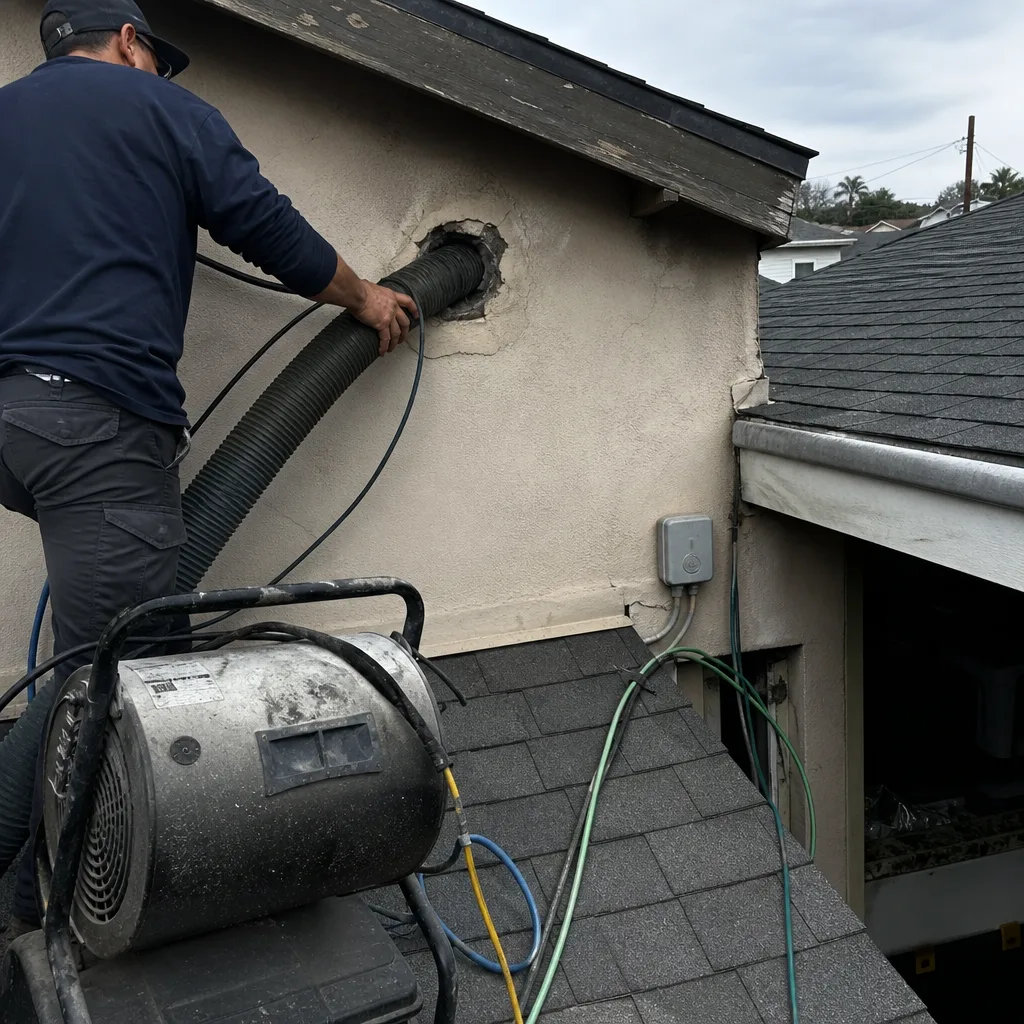
Dryer vent cleaning is maintenance. No permit. You’re removing lint buildup from an existing vent run. The vent stays where it is. You’re not changing anything about its configuration.
But dryer vent rerouting is a different animal. If a homeowner in Redondo Beach wants to move their dryer to a different wall, extend the vent run, or route it through a different path to the exterior, the vent system is being altered. Under California Mechanical Code Section 504, which governs dryer exhaust ducts, the rerouted vent must meet specific requirements: maximum length, number of elbows, material, and termination type.
Here’s the distinction in practice:
- Straight swap. Replacing a damaged 4-inch rigid-metal vent section with another 4-inch rigid-metal section of the same length and configuration. This is repair. No permit required in most cases.
- Rerouting. Changing the path of the vent, adding length, adding elbows, or moving the termination point. This is alteration. A permit is typically required because the new configuration must be verified against Section 504 limits.
- Extending the run. Adding vent length to accommodate a new dryer location. This changes the airflow characteristics and may require a larger-diameter vent or a booster fan, both of which are regulated.
The reason Section 504 is strict about dryer vents is safety. Lint is combustible. A vent that’s too long, has too many elbows, or uses the wrong material accumulates lint faster and restricts airflow. That creates a fire hazard. LACDPW inspectors take dryer vent alterations seriously, and so should any contractor who touches them. If a company offers to reroute your dryer vent, ask whether a permit is part of the job. If they hesitate or say it’s not needed without knowing exactly what you’re doing, get a second opinion.
Documentation to Request After Any Duct Repair
Whether or not a permit was required, you want a paper trail. Here’s what to ask for after any duct repair or alteration work in your Redondo Beach home:
- Permit number and final inspection sign-off. If a permit was pulled, get a copy of the permit and the inspection approval. This is the single most important document for resale.
- Scope of work description. A written description of exactly what was done, including what was repaired, what was replaced, and what materials were used.
- HERS test results. If a HERS rater tested your ducts for leakage, get the written report. This proves Title 24 compliance if it’s ever questioned.
- Before and after photos. Photos of the damaged duct before repair and the completed work after. This is useful for insurance claims and for documenting that the work was actually performed.
- Product documentation. If new materials were installed, like flex duct or mastic, keep the manufacturer’s documentation. This proves the materials meet code requirements.
- Invoice with contractor license number. California requires licensed contractors to include their license number on invoices. This is your proof that the work was done by a qualified professional.
For HOA situations, especially in some of the newer developments in Redondo Beach, additional documentation may be required. Some HOAs require notification before any work that modifies the home’s mechanical systems. Check your CC&Rs before starting any duct alteration project. An HOA can impose its own documentation requirements on top of LACDPW’s.
For insurance purposes, keep the documentation in a safe place. If a future claim involves duct damage, mold, or fire, insurers will want to see that the work was done by licensed professionals and, where required, permitted and inspected.
We recommend homeowners keep a simple folder, physical or digital, with every document related to their HVAC system. Duct cleaning records, repair invoices, permit numbers, HERS reports. When you sell the house, this folder answers buyer questions before they become escrow problems.
Common Mistakes to Avoid
- Assuming cleaning requires a permit. It doesn’t. Some Redondo Beach homeowners delay needed cleaning because they think it involves a regulatory process. A professional cleaning using Rotobrush rotary-brush systems and Nikro HEPA vacuum equipment is maintenance, pure and simple.
- Assuming all duct repairs are permit-free. The opposite mistake. Adding flex duct, moving registers, or significantly reconfiguring runs triggers Section 605. If a contractor tells you no permit is needed, they should be able to explain exactly why under the code, not just wave it away.
- Letting a contractor do unpermitted alteration work and accepting a verbal assurance. Unpermitted work becomes your liability at resale. Insist on the permit. If a contractor is reluctant, find another contractor.
- Confusing duct cleaning with duct sealing services. These are different jobs with different regulatory footprints. Cleaning is maintenance. Sealing is alteration (if it changes system performance). A company that blurs the line is either uninformed or avoiding the permitting process deliberately.
- Skipping the HERS test when it’s required. Title 24 compliance isn’t optional. If your duct alteration triggers a HERS test, skipping it means unresolved code exposure that will surface at the worst possible time, like during a home inspection.
- Not getting documentation after repair work. A permit number and inspection approval are only useful if you have them. Don’t assume the contractor will keep records for you. Contractors go out of business, move, or lose files. Keep your own copies.
- Using consumer-grade equipment for cleaning and expecting professional results. This isn’t a permit issue, but it’s a related mistake. A shop-vac approach to duct cleaning leaves debris behind. Professional source-removal equipment, like the Rotobrush system, physically dislodges and extracts contaminants. If you’re going to invest in duct health, use the right tools.
When to Call a Professional
Call a professional when your duct system shows signs that go beyond what cleaning can address. Disconnected sections visible in the attic. Crushed flex runs. Returns that are sucking air from the crawlspace instead of the living space. Weak airflow in rooms that used to be fine. These are repair issues, not cleaning issues.
Call a professional when you’ve been told you need duct sealing and you’re not sure whether a permit or HERS test applies. A contractor who understands Section 605 and Title 24 can tell you in the first conversation what your project triggers and what documentation you’ll receive.
Call a professional when you’re preparing to sell your Redondo Beach home and you’re not sure whether previous duct work was done with permits. An inspection of your duct system can identify unpermitted alterations before a buyer’s inspector does.
Duct Cleaning Redondo Beach offers free estimates in Redondo Beach. Call (877) 358-4828. We answer 24/7. Fast dispatch from 7am to 7pm, Sunday through Friday.
Frequently Asked Questions
No. Air duct cleaning is maintenance, not construction, and requires no permit anywhere in California, including Redondo Beach. The work involves removing accumulated dust and debris from existing ducts using source-removal equipment like Rotobrush rotary brushes and Nikro HEPA vacuums. Nothing about the duct system’s configuration changes.
Duct alteration requires a permit. That means adding flex duct, extending runs, changing duct diameter, repositioning registers, or rerouting duct paths. Under California Mechanical Code Section 605, these are modifications to the system’s design and construction, not maintenance. The permit is obtained through LACDPW Building and Safety, which has jurisdiction over Redondo Beach.
A HERS rater is a certified energy compliance professional who performs diagnostic testing, including duct leakage tests. A HERS rater is required when duct alteration is significant enough to trigger Title 24 energy code compliance testing. The test measures how much air leaks from the duct system under pressure. If you’re having ducts sealed as part of an alteration, ask your contractor whether a HERS test is part of the scope.
No. Dryer vent cleaning is maintenance that removes lint buildup from an existing vent run. No permit is required. However, rerouting a dryer vent, extending its length, or moving its termination point is alteration and typically requires a permit under California Mechanical Code Section 504.
Keep the permit number and final inspection approval if a permit was pulled, HERS test results if testing was performed, before and after photos, a written scope of work, product documentation for any new materials, and the invoice with the contractor’s license number. These documents protect you at resale and during insurance claims.
Some duct repairs genuinely don’t require a permit, like like-for-like replacement of a damaged section with the same material and size. But some contractors say no permit is needed because pulling one costs time and money they’d rather not spend. The honest answer depends on exactly what work is being done. If you’re unsure, ask the contractor to explain in writing why no permit is needed under Section 605. Call (877) 358-4828 for a free estimate, and we’ll help you understand exactly what your project involves.
The Bottom Line
Duct cleaning is maintenance. Duct alteration is construction. The line between them is drawn by California Mechanical Code Section 605, and in Redondo Beach it’s enforced by LACDPW. Know which side of the line your project falls on before work begins. If cleaning uncovers damage that requires repair, understand whether that repair is like-for-like or whether it triggers permitting and possibly Title 24 HERS testing. Get documentation for everything. And when it’s time to clean your ducts, demand professional source-removal equipment, not shop-vac shortcuts. Cleaner air is the outcome, cleaner ducts are the method.
Written by the team at Duct Cleaning Redondo Beach, serving Redondo Beach since 2017.
See the difference
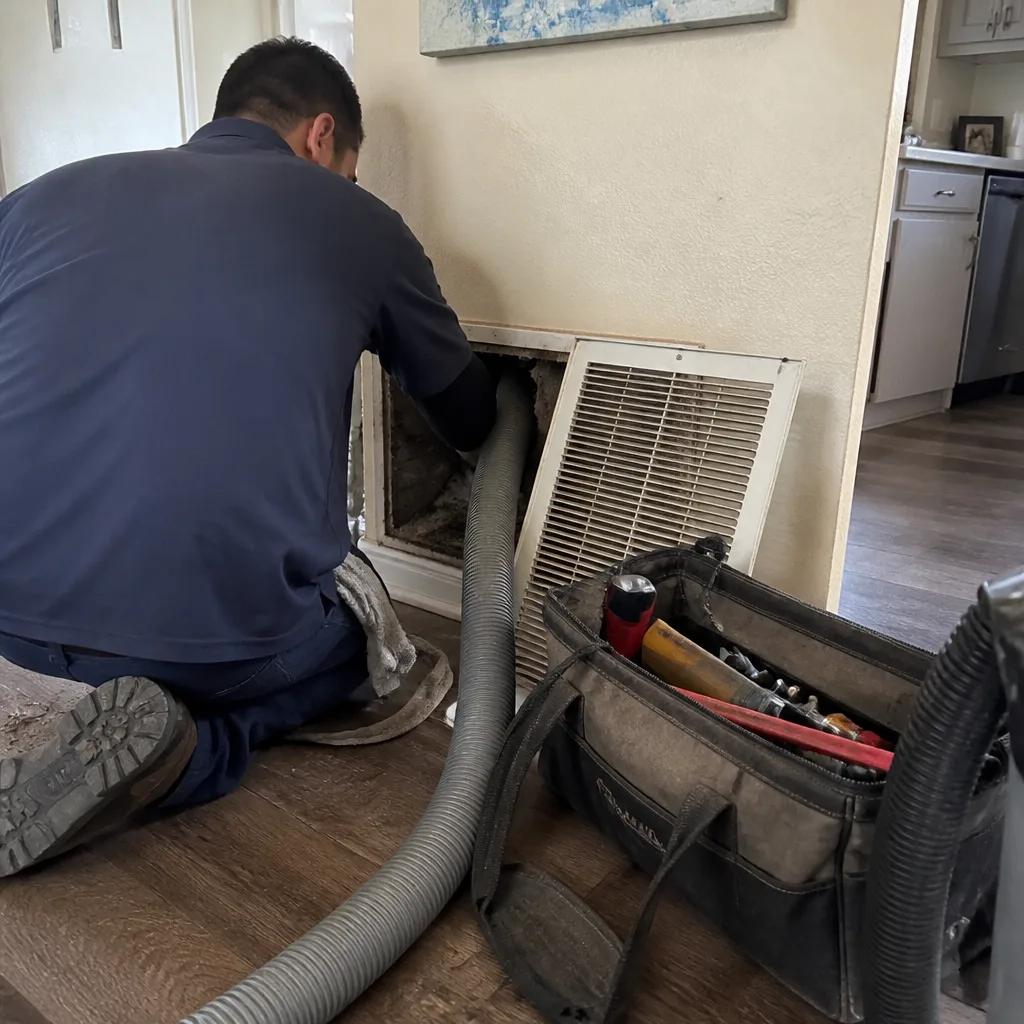 Before
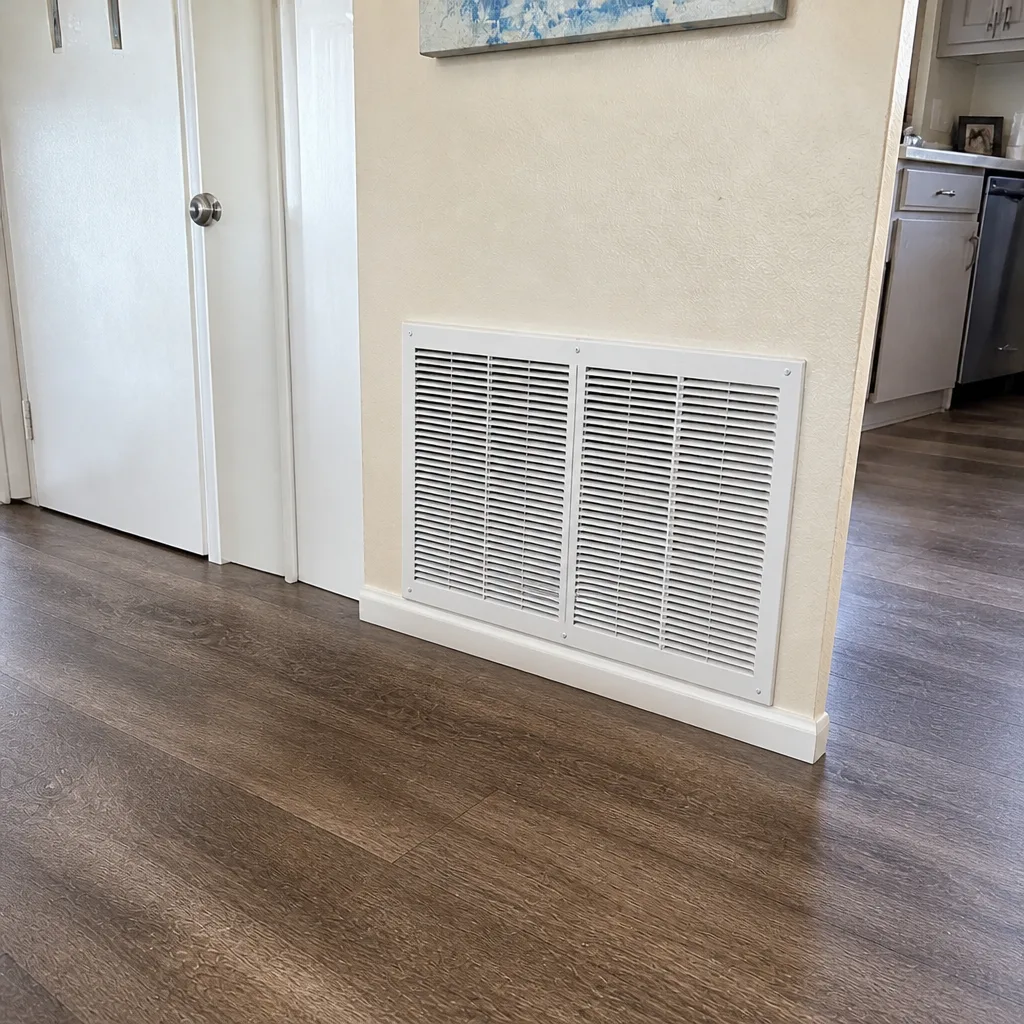 After
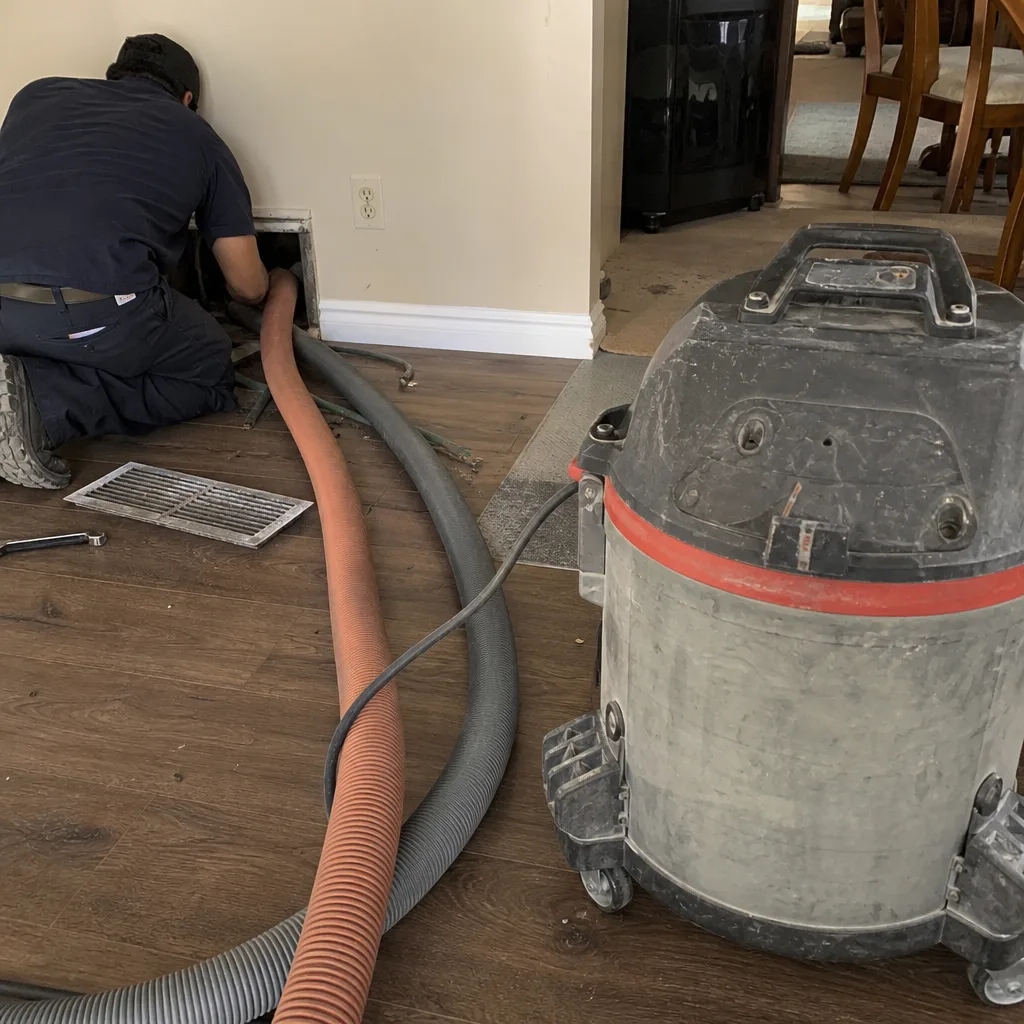 Before
 After
 Before
 After