
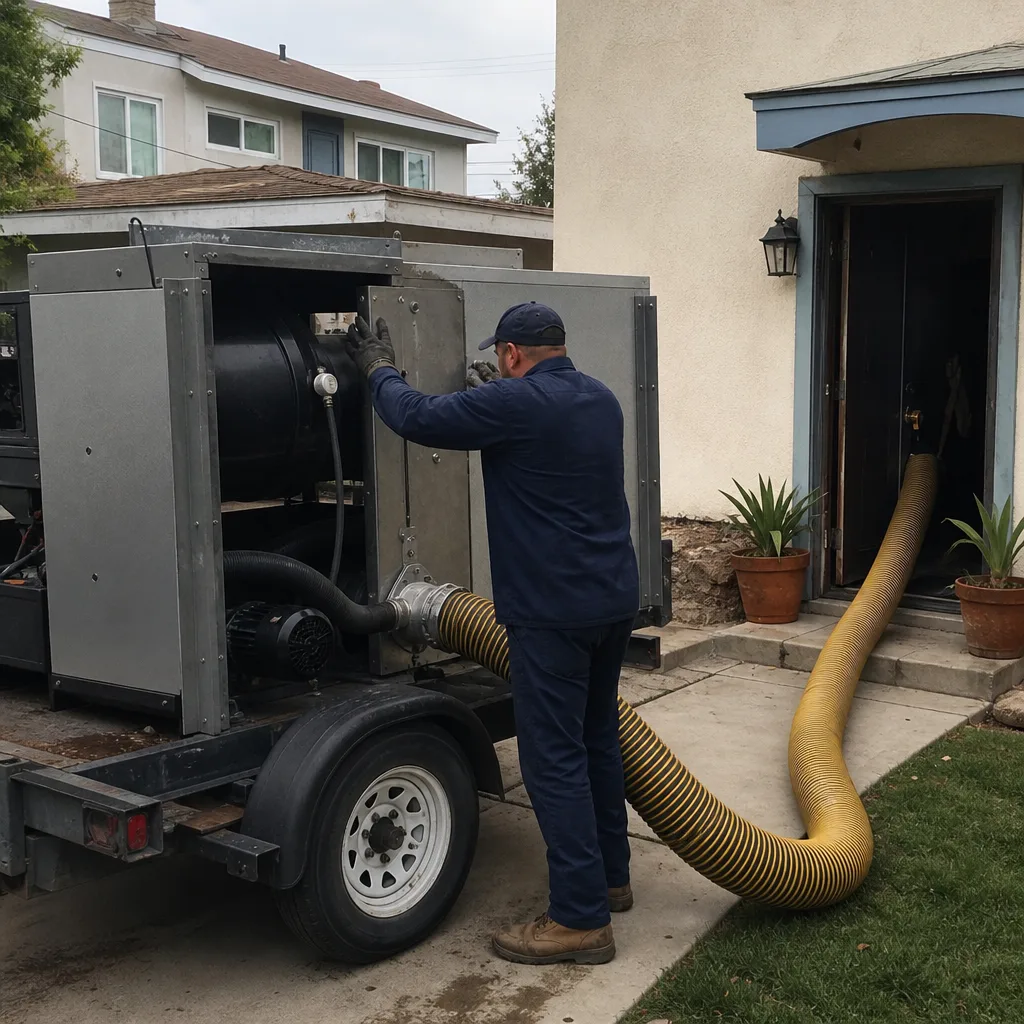
Last updated November 4, 2026
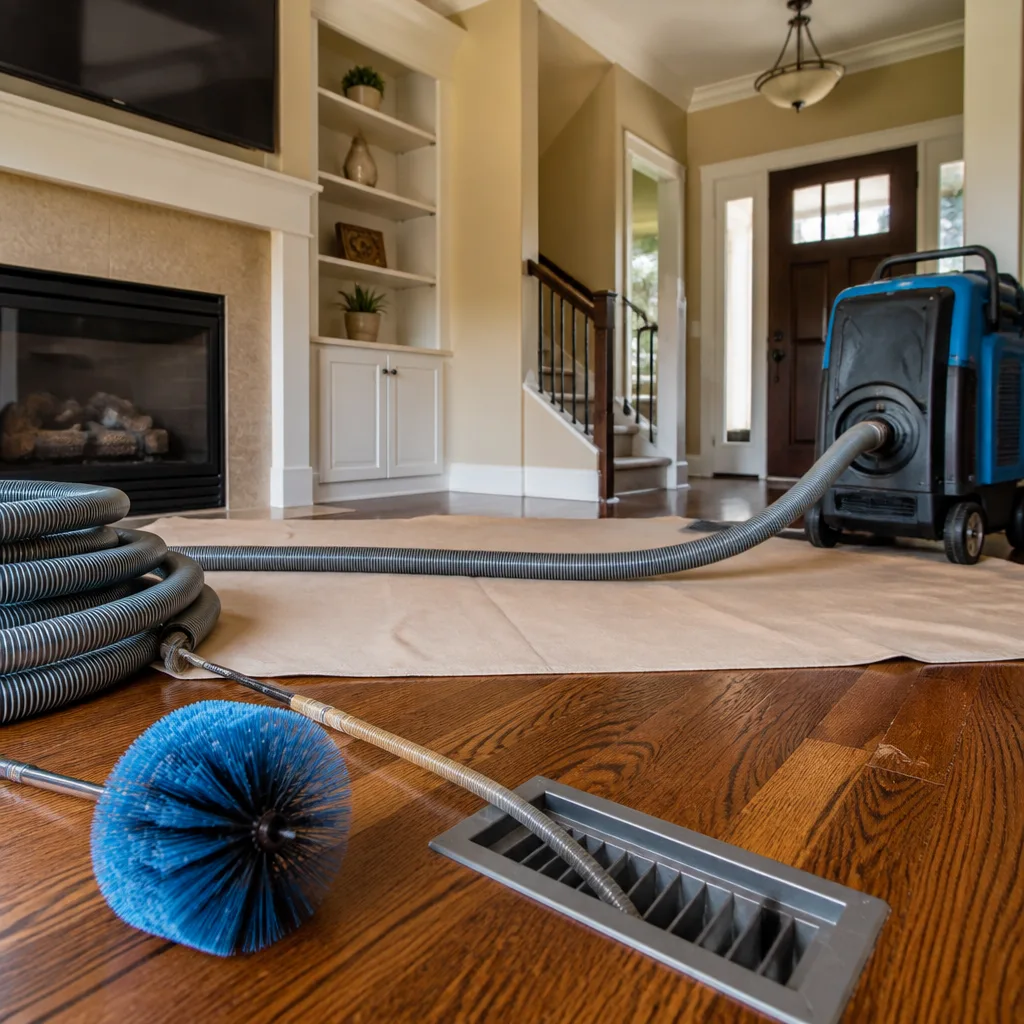 Whole-home duct cleaning
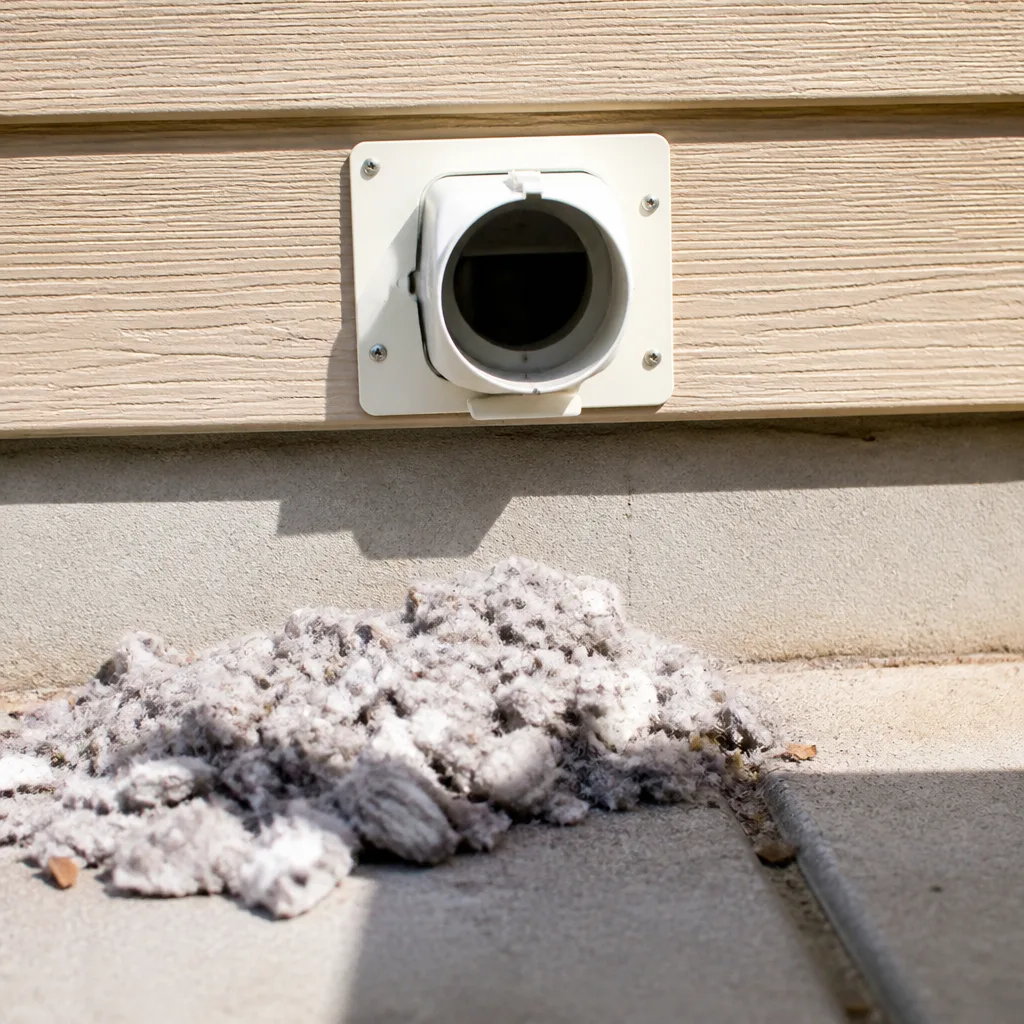 Dryer vent cleaning
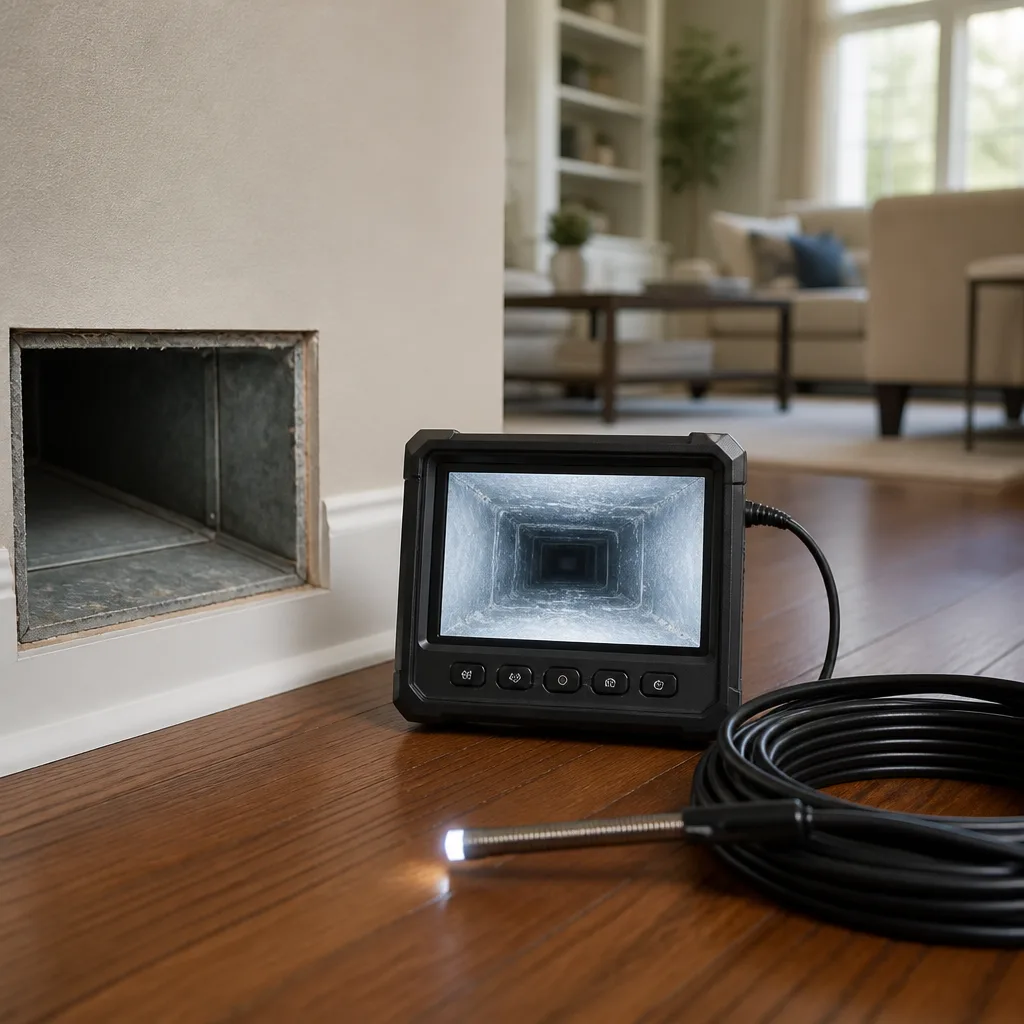 Camera inspection
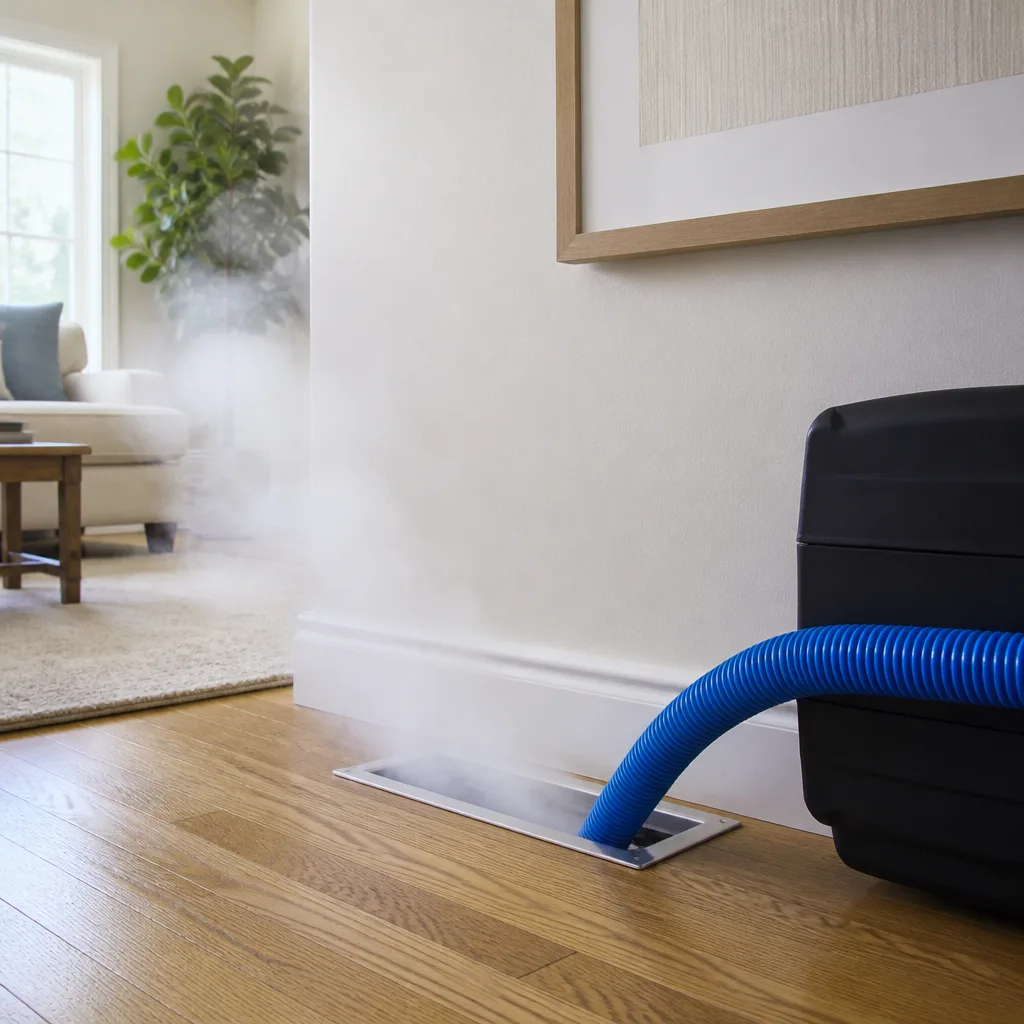 Sanitizing & deodorizing
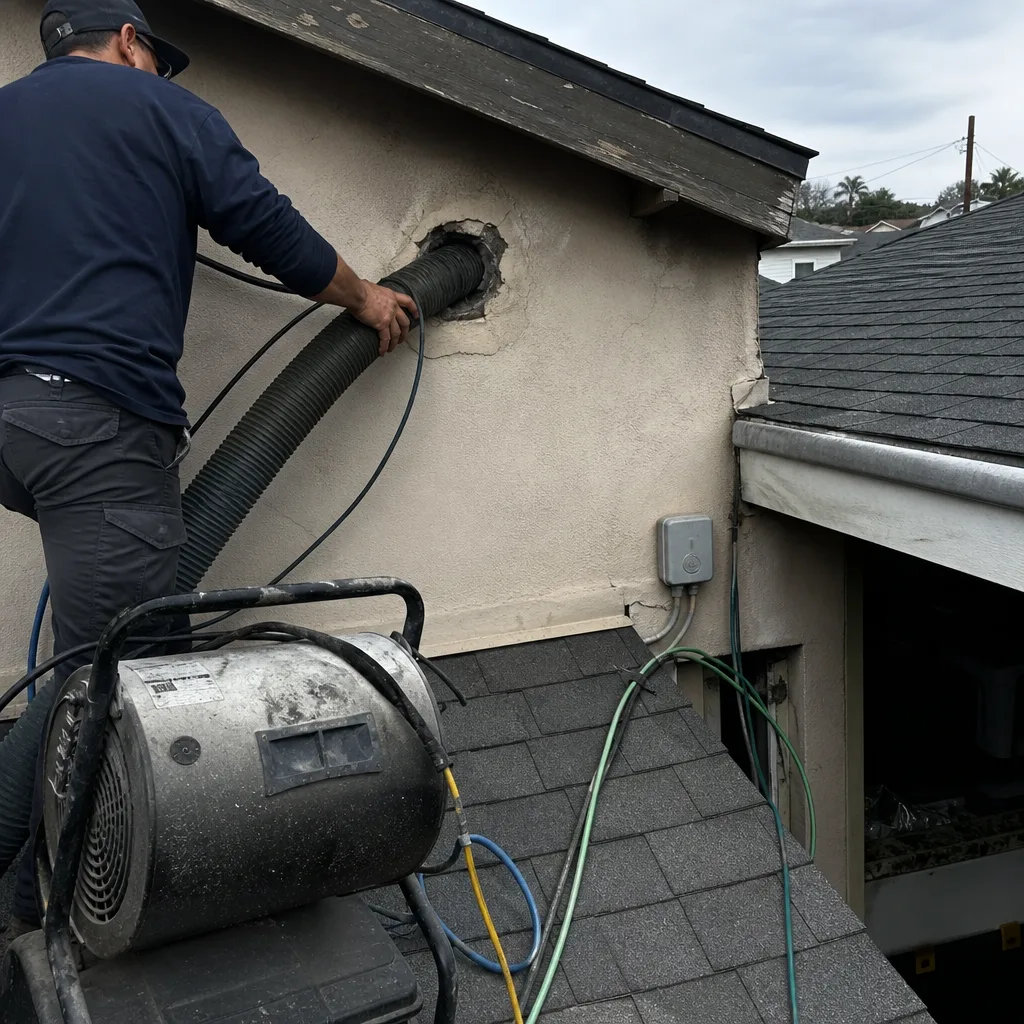
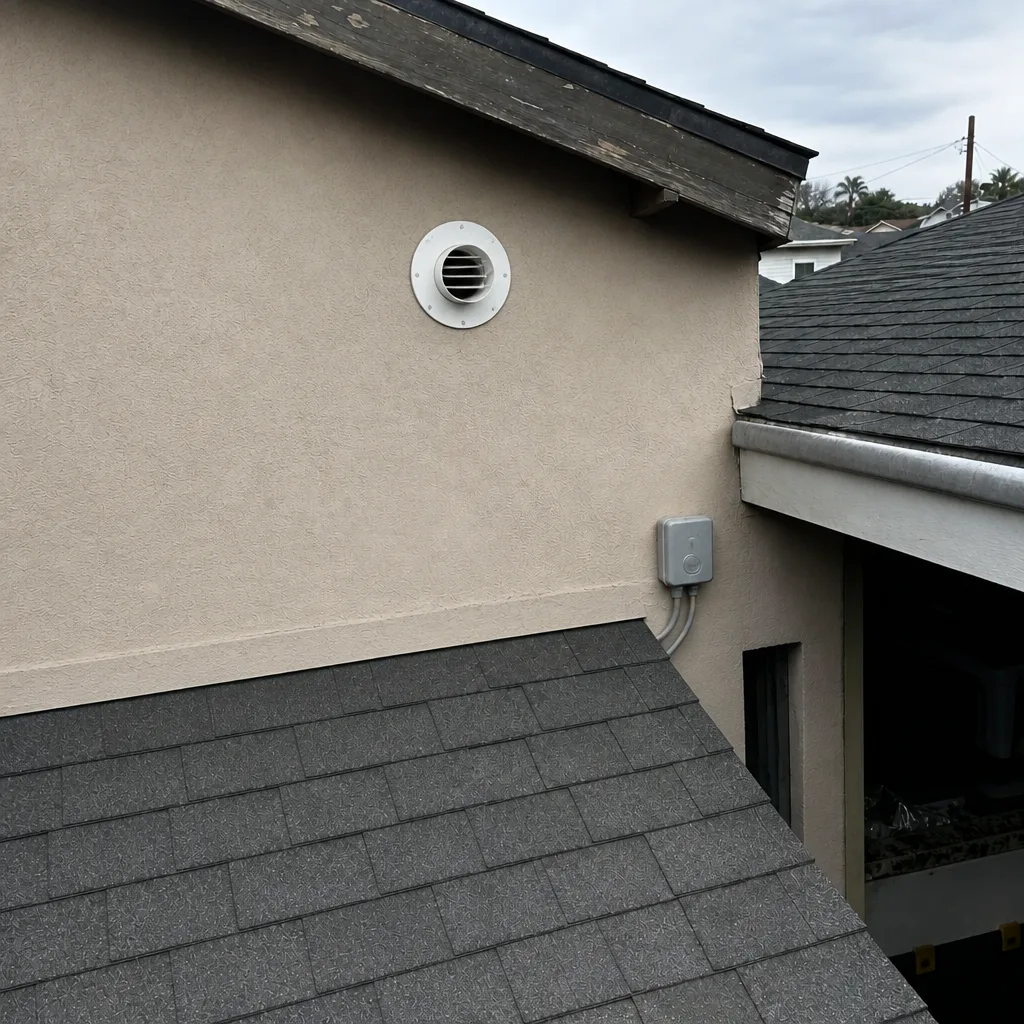
Whole-system duct and dryer vent check with before-and-after photos - you see exactly what came out of your vents
That "$99 whole-house special" is a bait ad - the real number appears once they are in your hallway, or the "clean" is a shop-vac at the register. We photograph the inside of your ducts before and after instead.
Choosing the Right Air Duct Cleaning Brand: A Buyer’s Guide for Redondo Beach
Most homeowners assume the duct cleaning industry is regulated like plumbing or electrical work. It isn’t. No California licensing board certifies “duct cleaners” as a distinct trade, which means anyone with a van and a vacuum can print business cards and start knocking on doors in Redondo Beach. That absence of a floor is exactly why brand selection matters more here than in almost any other home service category. What separates a credible operator from a bait-and-switch operation isn’t a license number or a friendly smile. It’s the equipment they put on the truck and whether they’ll name it before you book. This guide walks through how to evaluate that equipment, what questions to ask, and which red flags end the conversation immediately.
Quick Answer
The right air duct cleaning brand in Redondo Beach is one that names its equipment before you ask, explains its methodology in plain language, and handles repair work alongside cleaning rather than passing you to another contractor. Companies that run Rotobrush rotary-brush systems and Nikro HEPA vacuums operate in a different category from generic operators using consumer-grade tools. Judge every bid against equipment transparency first, service scope second, and price last.
Styles & brands we work with
- Whole-home duct cleaning
- Dryer vent cleaning
- Camera inspection
- Sanitizing & deodorizing
Table of Contents
- Why Brand Matters More in Duct Cleaning Than Other Trades
- Equipment Specificity as a Proxy for Operational Credibility
- Service Scope: Why “We Clean It and Fix It” Changes the Equation
- What NADCA Membership Signals (and What It Doesn’t)
- A Review Analysis Framework Built for Duct Cleaning
- Direct Questions to Ask Before Booking
- Common Mistakes to Avoid
- When to Call a Professional
Why Brand Matters More in Duct Cleaning Than Other Trades
When you hire a plumber in Redondo Beach, the state of California has already vetted their baseline competence. A plumbing contractor holds a C-36 license, passed an exam, and maintains a bond. You can verify all of it online before they arrive. Duct cleaning has no equivalent. The CSLB does not issue a specific classification for air duct cleaning, which means the barrier to entry is a ladder and a van. That structural gap explains why the duct cleaning industry attracts a particular kind of operator: the low-bid contractor who advertises a whole-house cleaning for a price that barely covers fuel, then finds reasons to inflate the invoice once the equipment is running.
This dynamic is well documented in Redondo Beach and across Los Angeles County. Homeowners call a mailer coupon, a crew shows up with a shop vac and a drill attachment, and an hour later the technician explains that the original price only covered “basic agitation” while the real cleaning, the sanitizing, the mold treatment, the dryer vent, all of it costs extra. The bill lands somewhere north of triple the original quote. By contrast, an operator that names its equipment and method before booking has already committed to a scope of work. There’s no room to redefine the job when the tools and the process are on the table from the first call.
That’s the core argument for evaluating brand before price. A company’s willingness to say exactly what it runs, exactly how it cleans, and exactly what it does when it finds damage is the closest thing this unregulated market offers to a licensing standard. Everything else, training claims, membership badges, “certified technician” language, can be meaningful or can be decoration. Equipment transparency is the thread that ties the rest together. Our own Duct Cleaning Redondo Beach pricing and process follows that same logic: the equipment is named, the method is source removal, and the price is set before the job starts.
Equipment Specificity as a Proxy for Operational Credibility
The fastest filter in this industry is a simple question: “What equipment do you use?” Listen carefully to the answer. A credible operator answers with a brand name and a method, immediately and without hesitation. An operator trying to hide something answers with adjectives. “Professional-grade equipment,” they’ll say. “Commercial-strength vacuums.” “The same tools the big companies use.” None of that means anything. If they can’t name the system, they probably don’t run one.
Here’s what the named equipment actually tells you in Redondo Beach. A company that runs Rotobrush rotary-brush systems is using an industry-recognized source-removal tool that physically dislodges debris from duct walls with a powered rotating brush while a vacuum pulls the dislodged material out of the system. That’s a specific, repeatable process. It’s not agitation for the sake of agitation. Paired with a Nikro HEPA vacuum, the system captures fine particulate at the source instead of recirculating it through the living space. Those two pieces of equipment together represent the methodology that professional HVAC contractors use, the same standard you’d expect from a commercial duct cleaning crew working on an office building in El Segundo or Torrance.
Nikro, as a brand, matters because HEPA filtration is the dividing line between cleaning and contamination redistribution. A shop vac without HEPA filtration will pull debris out of the duct and blow the fine particulate right back into the air. HEPA-rated units capture particles down to 0.3 microns. That’s the difference between removing dust from your ductwork and moving it into your living room. When a company names Nikro, they’re telling you their vacuum system meets that standard. When they say “industrial vacuum,” they’re telling you nothing.
Then there’s the containment question. During any source-removal cleaning, debris gets dislodged. Some of it inevitably becomes airborne. A company that deploys Abatement Technologies air filtration on-site during cleaning is actively containing that dislodged material, filtering the room air while the work happens. That’s a level of operational discipline that generic operators don’t attempt because the equipment costs real money. None of this is about brand loyalty or marketing. It’s about verifiable capability. If the company names Rotobrush, Nikro, and Abatement Technologies in the same sentence, you’re talking to an operator that invested in a professional setup. If they can’t name any of it, you’re talking to someone who bought a shop vac at Home Depot.
Service Scope: Why “We Clean It and Fix It” Changes the Equation
Here’s a scenario that plays out across Redondo Beach every month. A homeowner books a duct cleaning. The crew arrives, runs the equipment, and halfway through the job finds a section of flex duct that has separated at a joint, or a return plenum with a visible gap pulling attic air into the system. A cleaning-only company has two options. They can ignore the problem, finish the cleaning, and hand you an invoice for work that’s already partially undermined. Or they can point at the damage, tell you it needs repair, and refer you to “an HVAC guy we know.” Either way, you’re left coordinating a second appointment with a second company, and your freshly cleaned ducts are already pulling unfiltered air back through the system.
A company that handles air duct cleaning and Air Duct Repair under one roof responds differently. The same crew that identifies the separated joint can fix it on the spot, seal the gap, and finish the cleaning knowing the system is actually closed. That’s a structural difference, not a marketing one. It changes the economics of the visit, the quality of the final result, and the number of companies you have to manage. “We clean it and fix it” isn’t a slogan. It’s an operational description.
That single-company scope extends to dryer vent cleaning as well. Dryer vents are the other half of the indoor air picture in Redondo Beach, and they fail in predictable ways: lint accumulation reduces airflow, which increases drying times, which increases fire risk. A company that cleans dryer vents alongside ducts and repairs damage in both systems eliminates the vendor hand-off problem entirely. You don’t book three companies and hope the schedules align. One crew arrives, handles the full scope, and leaves you with a system that’s clean and intact.
When you’re evaluating brands, pay attention to how a company talks about scope. Ask what happens if they find damage during the cleaning. A credible operator will describe the repair process without hesitation because they actually perform it. A cleaning-only operator will get vague. They’ll say “we’ll let you know what we find” or “we work with some great HVAC companies.” That answer tells you everything about what happens when the job gets complicated. The Redondo Beach market has plenty of cleaning-only operators. The companies worth your attention are the ones that never have to hand you off.
What NADCA Membership Signals (and What It Doesn’t)
NADCA, the National Air Duct Cleaners Association, is the closest thing this industry has to a professional standard-setting body. Membership means the company has access to training materials, technical standards, and continuing education resources. It signals that the operator takes the trade seriously enough to invest in professional development. That’s a meaningful filter. But it’s important to understand what NADCA membership does not guarantee.
NADCA membership is not a performance guarantee. It doesn’t certify that every cleaning job meets a particular standard. It doesn’t audit work in the field. It doesn’t verify that the equipment on the truck matches the equipment on the website. A company can be a NADCA member and still run substandard equipment, and a company can decline membership and still deliver excellent work. The membership is one signal among several, and it carries the most weight when combined with equipment transparency and full-scope service. If a company names Rotobrush and Nikro, explains source removal, handles repair work, and happens to hold a NADCA membership, that’s a coherent picture. If a company leads with the NADCA logo and can’t name a single piece of equipment, the logo is doing a lot of heavy lifting.
The same logic applies to manufacturer certifications and “factory-trained” claims. Rotobrush training means the operator has learned the manufacturer’s recommended process for their system. That’s useful context. It doesn’t mean the operator will actually follow that process on your job. Equipment names tell you what’s on the truck. Training claims tell you what someone sat through in a classroom. Neither replaces the direct questions you should ask before booking, which we’ll cover below.
In our experience, the operators worth hiring in Redondo Beach are comfortable discussing all of this. They’ll tell you what equipment they run, explain how their method works, and describe their repair capability in specific terms. They won’t hide behind acronyms or membership logos. They’ll treat your questions as a sign of a serious customer, not a nuisance. That comfort level is itself a signal worth weighing.
A Review Analysis Framework Built for Duct Cleaning
Most homeowners read reviews the wrong way. They scan the star rating, glance at the first three comments, and decide. That works fine for restaurants. It doesn’t work for duct cleaning because duct cleaning reviews describe a service the customer can’t directly observe. The ducts are hidden inside walls and ceilings. The quality of the work is invisible unless the company makes it visible. So the review framework needs to change.
Here’s what to look for, beyond stars, when evaluating any Duct Cleaning Redondo Beach operator:
- Specific equipment mentions. Do reviewers name equipment brands? A review that says “they used a Rotobrush system and showed me the before-and-after photos” tells you something concrete. “They were nice guys” tells you nothing about the work.
- Before-and-after documentation. The strongest reviews in this category mention photos, video, or live inspection. That means the company showed the customer what the ducts looked like before and after. No documentation means no way to verify the work was done at all.
- Scope descriptions. Do reviews describe a full-scope job including repair work, dryer vent cleaning, or filtration recommendations? That’s the difference between a company that handles the whole picture and a company that runs a vacuum for an hour and leaves.
- Price transparency mentions. Look for reviews that say the price matched the quote. In this industry, that’s the highest compliment a customer can give. It means the company didn’t run the classic bait-and-switch.
- Containment and cleanliness descriptions. Did the crew put down protective coverings? Did they run air filtration during the job? Did they leave the house as clean as they found it? These operational details separate professional crews from amateurs, and reviewers notice them.
- Complaint patterns. Every company has negative reviews. Look for patterns. If multiple reviewers mention surprise charges, vague equipment descriptions, or technicians who pushed add-on services that weren’t in the original quote, that’s a structural problem, not a bad day.
The goal is to read reviews like an investigator, not a tourist. You’re not looking for warmth. You’re looking for evidence of method, transparency, and scope. A five-star review that describes the technician’s friendly smile is less informative than a four-star review that describes the Rotobrush system and the before-and-after video. Judge accordingly.
Direct Questions to Ask Before Booking
The phone call before booking is where the real filtering happens. A credible company answers these questions directly and specifically. A less credible company deflects, stalls, or gets vague. Here’s the list, in order of importance, with the answers that confirm technical credibility and the answers that end the conversation.
- “What equipment do you use, specifically?” Credible answer: named brands and models, like Rotobrush rotary-brush systems and Nikro HEPA vacuums, plus on-site filtration like Abatement Technologies units. Conversation-ending answer: “commercial-grade equipment,” “industrial vacuums,” “the same tools the pros use,” or any sentence that avoids naming a single brand. If they won’t name the tool, they can’t be trusted to run it.
- “What is your cleaning method?” Credible answer: source removal, described as physically dislodging debris from duct walls with a rotating brush while a HEPA vacuum captures it at the point of contact. The words “source removal” should appear. Conversation-ending answer: “we blow it out with high-pressure air” or “we agitate the dust and then vacuum the registers.” Air-only cleaning is not source removal and often makes things worse by pushing debris deeper into the system.
- “What happens if you find damage in my ducts?” Credible answer: “We repair it. We carry repair materials on the truck and can fix separated joints, damaged flex duct, and some plenum gaps during the same visit.” Conversation-ending answer: “We’ll let you know and recommend an HVAC company” or “That would be a separate service.” A cleaning-only company that can’t address what it finds is handing you a half-finished job.
- “Do you include dryer vent cleaning in the same visit?” Credible answer: “Yes, we can handle air duct cleaning, dryer vent cleaning, and duct repair in one appointment.” Conversation-ending answer: “We only do air ducts” or “You’d need to book that separately with someone else.” Single-scope operators create coordination work for you.
- “How do you document the work?” Credible answer: “Before-and-after photos or video of the duct interior, shown to you during the walkthrough.” Conversation-ending answer: “You can trust us” or any response that doesn’t include visual documentation. If they don’t photograph it, you can’t verify it.
- “Is the price set before you start?” Credible answer: “Yes, the written estimate is the price. No per-vent upcharges, no add-ons unless you approve them in writing.” Conversation-ending answer: “It depends on what we find” or “The base price covers basic cleaning, and we’ll tell you about add-ons on-site.” That’s the bait-and-switch script, and it’s the single most common complaint pattern in this industry in Redondo Beach.
- “Can you discuss filtration upgrades like Honeywell or Aprilaire systems?” Credible answer: “Yes, we work with Honeywell and Aprilaire IAQ products and can talk through whole-home filtration options if you want them.” This isn’t a requirement, but it signals a company that understands indoor air quality as a system, not just a cleaning task. A blank stare on this question isn’t a dealbreaker, but a knowledgeable answer is a meaningful plus.
Ask every question. Write down the answers. If the answers are specific and immediate, you’re likely talking to a professional operation. If they’re vague, defensive, or full of adjectives, hang up and call the next company. In Redondo Beach, you have options. Use them.
Redondo Beach Market: What the Local Landscape Means for Your Decision
Redondo Beach’s housing stock creates particular conditions for ductwork. Many homes in the area were built decades ago, and a significant number have seen additions, remodels, or HVAC retrofits. Between 2010 and 2020, Los Angeles County saw a wave of heat pump and central air installations in homes that previously relied on floor furnaces or wall units. Remodeled systems mean mixed ductwork: original rigid metal in some sections, newer flex duct in others, transitions and adapters bridging the two. That mixed reality makes regular cleaning and inspection more important, not less, because connections tend to fail at transition points.
The other piece of local context is dust composition. Redondo Beach sits inland enough that the salt-air corrosion conversation doesn’t apply the way it does in a true coastal frontage, but the air carries substantial particulate from traffic corridors and urban activity. Ducts in heavily populated areas of Los Angeles County accumulate fine dust, pet dander, and construction debris from local remodeling. That fine-particle load is exactly what HEPA filtration is designed to capture, and it’s why equipment choice matters more in this market than in rural areas with lower ambient particulate. A shop-vac operator can make ducts look cleaner on a camera. A Nikro HEPA system actually removes the fine stuff that triggers allergy symptoms.
Neighborhood-level differences matter too. Homes in the northern sections of Redondo Beach near the Galleria and the 405-facing corridors tend to collect more traffic-related fine particulate. Homes in the tree-lined residential sections deal with more organic debris, pollen, and leaf litter entering the system through poorly sealed returns. No single cleaning approach fits every home, which is why the assessment process matters. A credible company evaluates the specific system, looks at return placement and filter condition, and adjusts the process accordingly. A generic operator runs the same drill-attachment routine on every house and calls it a day.
The practical takeaway for local homeowners: Redondo Beach’s older housing stock and urban particulate load raise the stakes on equipment quality and inspection thoroughness. The cheapest bid in this market is almost always a shop-vac operator who doesn’t own professional equipment. In a different town with a different housing mix, that price difference might not matter as much. Here, it does.
Filtration and IAQ: The Advisor Signal
One of the quieter differentiators in this market is whether a duct cleaning company can talk intelligently about what happens after the cleaning. Ducts move air, but filtration determines what’s in that air. A company that works with Honeywell and Aprilaire IAQ systems, the two most widely installed whole-home filtration brands in Southern California, can advise you on upgrading filtration capacity, improving air quality, and reducing the particulate load that forces you to clean ducts more often. That advisory capability is the line between a cleaning technician and an indoor air quality professional.
Here’s why it matters in Redondo Beach. The region’s air quality varies significantly by season and by localized conditions. Wildfire smoke events, traffic inversions, and construction booms all push more particulate through residential HVAC systems. A standard one-inch fiberglass filter catches large debris but does almost nothing for fine particulate. Homeowners with allergies, asthma, or respiratory sensitivity get real benefit from media filtration or electronic air cleaners from Honeywell or Aprilaire. That upgrade only works if the ducts are clean and the system is properly sealed. Cleaning, filtration, repair, all of it connects.
When you’re evaluating brands, the filtration conversation is a useful test. Ask the company whether they can discuss Honeywell or Aprilaire filtration upgrades. A company that says yes and describes the trade-offs is thinking about your air quality holistically. A company that says “we just clean the ducts” is thinking about the transaction. Both positions are legitimate, but the first signals a team that treats this as a craft, not a cash grab. Guardsman-brand products, another name you may encounter in the cleaning and treatment space, sit in that same advisory picture: a company that knows the product lines and can recommend what fits your system behaves differently from one that just sprays the same sanitizer on every job.
Common Mistakes to Avoid
- Hiring on price alone. Duct cleaning in Redondo Beach has a price floor set by equipment cost, labor, and insurance. A $79 whole-house coupon is a math problem, and the only way to make it work is to inflate the invoice after arrival. If the price doesn’t make sense, the job won’t be done honestly.
- Accepting vague equipment descriptions. “Professional-grade tools” is not an answer. Demand specific brand names. Rotobrush, Nikro, Abatement Technologies, or equivalent named systems. If the company can’t name the tool, they don’t own a tool worth naming.
- Assuming NADCA membership means quality. NADCA signals training access, not field performance. Use it as one filter among several, and weigh it against equipment transparency and scope descriptions, which matter more.
- Reading only the star rating. Five stars with no substance tells you the technician was friendly. Four stars mentioning before-and-after photos, named equipment, and price transparency tells you the company does the work. Read for evidence, not vibes.
- Booking a cleaning-only company without asking the repair question. If they can’t fix what they find, they can’t finish the job. Ask directly what happens when damage is discovered. The answer determines whether you’ll coordinate two vendors or one.
- Skipping the dryer vent, or treating it as an add-on. Dryer vent cleaning is not an upsell. It’s a safety and efficiency conversation that connects to the same airflow picture. A company that handles both in one visit saves you time and closes the safety gap.
- Trusting a quote without written scope. A verbal quote that doesn’t itemize what’s included, what’s excluded, and what triggers additional charges is not a quote. It’s an opening offer. Get the scope in writing before work starts.
When to Call a Professional
Some situations genuinely warrant a professional assessment rather than continued research. If you’ve noticed visible dust buildup on vent covers or a fine dust film returning within days of cleaning, your ducts are likely circulating accumulated particulate. Musty or stale odors that persist after filter changes suggest organic material or moisture issues in the system that professional source removal can address. If your energy bills have climbed without a change in usage, a duct restriction may be forcing the HVAC system to work harder. And if you’re planning a remodel in Redondo Beach, duct assessment before the work starts prevents your brand-new finishes from being coated in whatever the demolition releases. Duct Cleaning Redondo Beach offers free estimates in Redondo Beach, call (877) 358-4828. We answer 24/7. Fast dispatch from 7am to 7pm, Sunday through Friday.
See the difference
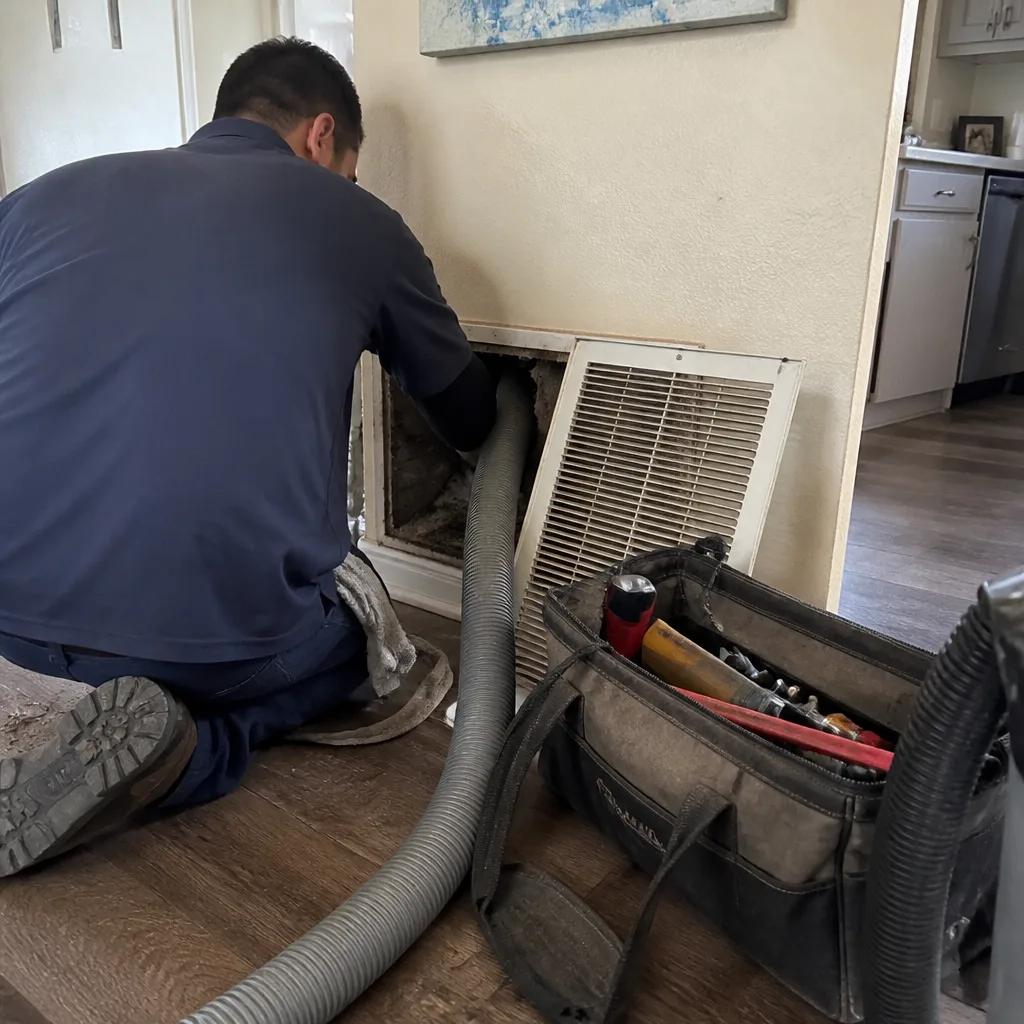 Before
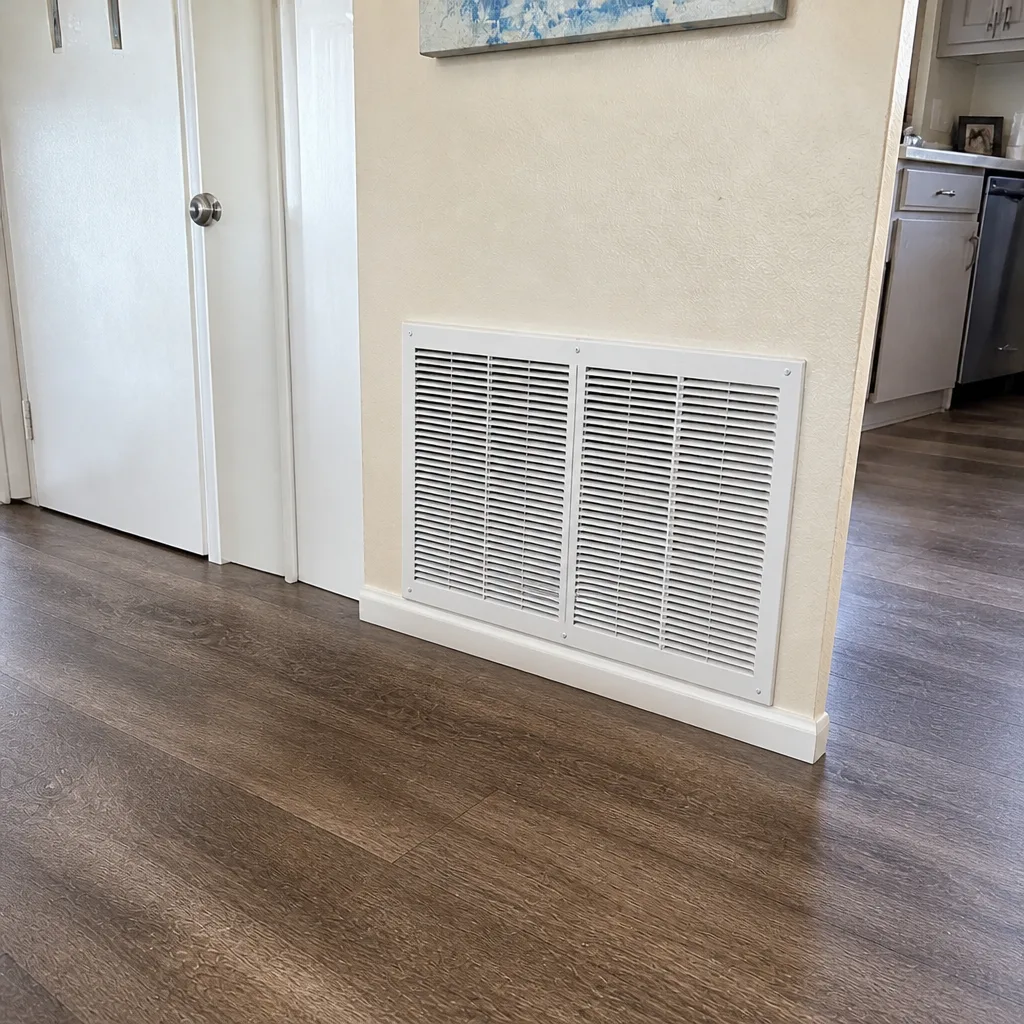 After
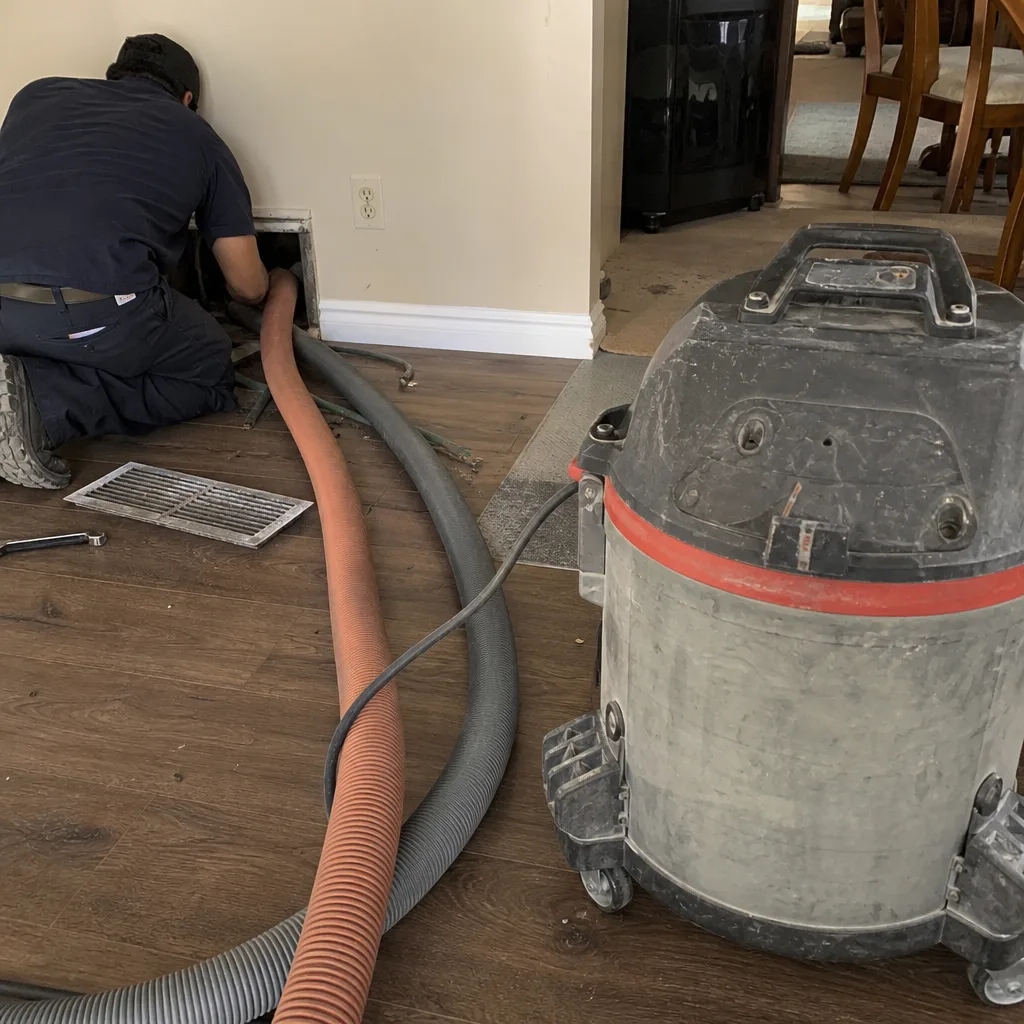 Before
 After
 Before
 After
Frequently Asked Questions
Ask what equipment they run and how they document the work. A reputable company names Rotobrush rotary-brush systems, Nikro HEPA vacuums, and on-site Abatement Technologies filtration without hesitation, and offers before-and-after photos of the duct interior. Companies that hide behind “commercial-grade” adjectives or refuse to name their tools are signaling that they don’t own professional equipment. Call (877) 358-4828 to ask the same questions of us, we answer 24/7.
The price difference almost always comes down to equipment investment and job scope. A company running a shop vac and a drill attachment has no equipment overhead and can quote a low teaser price, then inflate the invoice with add-ons. A company running Rotobrush and Nikro systems has real equipment costs and quotes an honest price for the full scope of work up front. In Redondo Beach, the cheap quote is typically the most expensive by the time the job ends.
Homes in Redondo Beach with standard HVAC systems, especially older construction with mixed ductwork and urban particulate exposure, typically benefit from professional cleaning every three to five years. Homes with shedding pets, recent remodeling, or occupants with respiratory sensitivities may need more frequent attention. The best signal is a visual inspection: if dust is visible at vent openings or surfaces are dirty shortly after cleaning, the ducts are the source.
A full-scope company should identify damaged sections, seal separated joints, and repair compromised flex duct or plenum gaps as part of the same visit. Cleaning a system with open joints means the system pulls dirty air back in immediately after the crew leaves. If the company can’t handle repairs themselves, you’re coordinating a second vendor and your cleaning is already undermined before you pay the invoice.
California does not issue a specific state license for air duct cleaning as a distinct trade, which means verification falls to the homeowner. That’s why equipment transparency, methodology explanation, and review substance matter so much in this market. The regulatory safety net that exists for plumbing or electrical work doesn’t apply here, so your questions are the credential.
Visual documentation is the standard. A professional company shows you photos or video from inside the ducts, before and after the cleaning, so you can see the difference. Without that documentation, there’s no way to verify the work happened at all. We include before-and-after documentation on every Redondo Beach job, and the written estimate covers the full scope before any equipment turns on.
The Bottom Line
Brand selection for air duct cleaning in Redondo Beach comes down to equipment transparency and service scope. Companies that name Rotobrush and Nikro, describe source removal in plain language, deploy containment filtration, and handle repairs alongside cleaning are operating in a professional category that generic competitors can’t match. Companies that hide behind adjectives, quote teaser prices, and hand you off when damage appears are working a different business model entirely. Ask the direct questions. Demand named equipment. Read reviews for evidence of method, not friendliness. The right brand is the one that answers every question before you have to ask it.
Written by the team at Duct Cleaning Redondo Beach, serving Redondo Beach since 2017.