
Last updated November 4, 2026
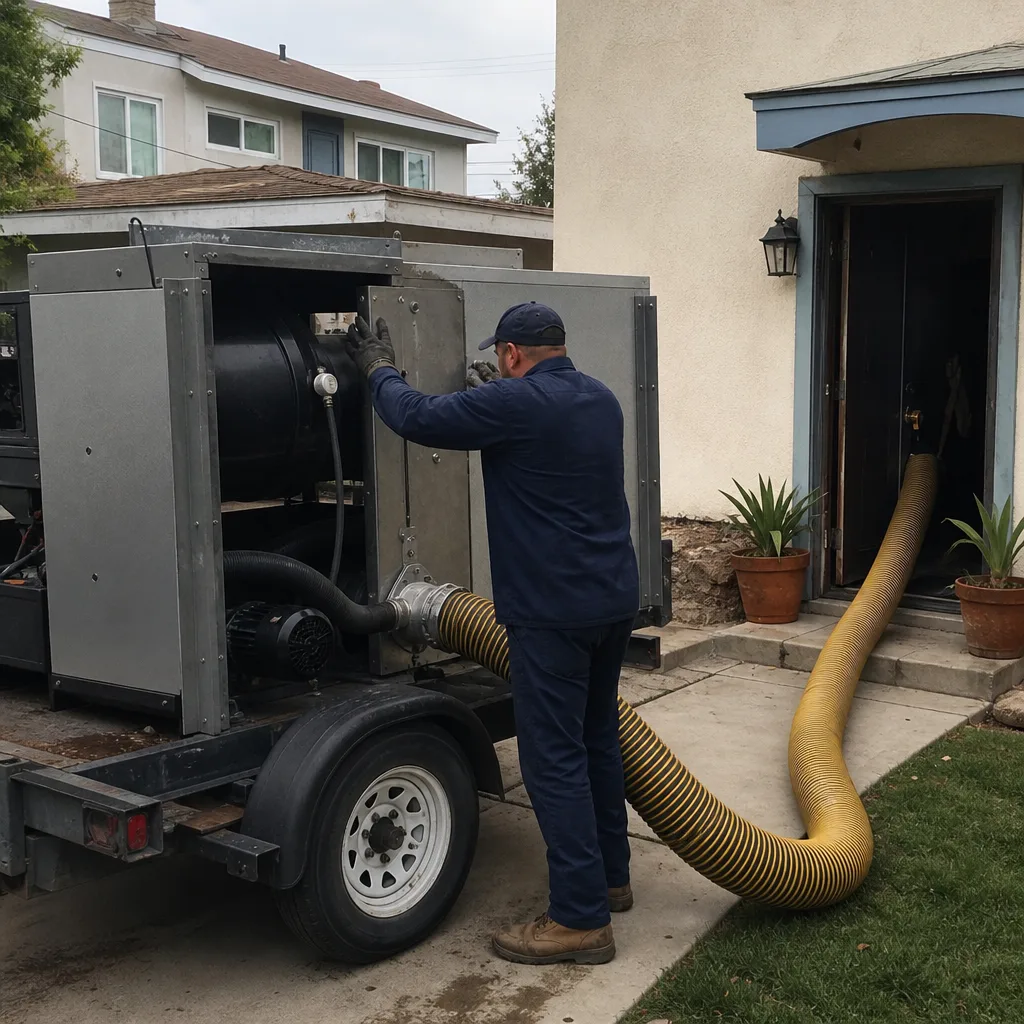
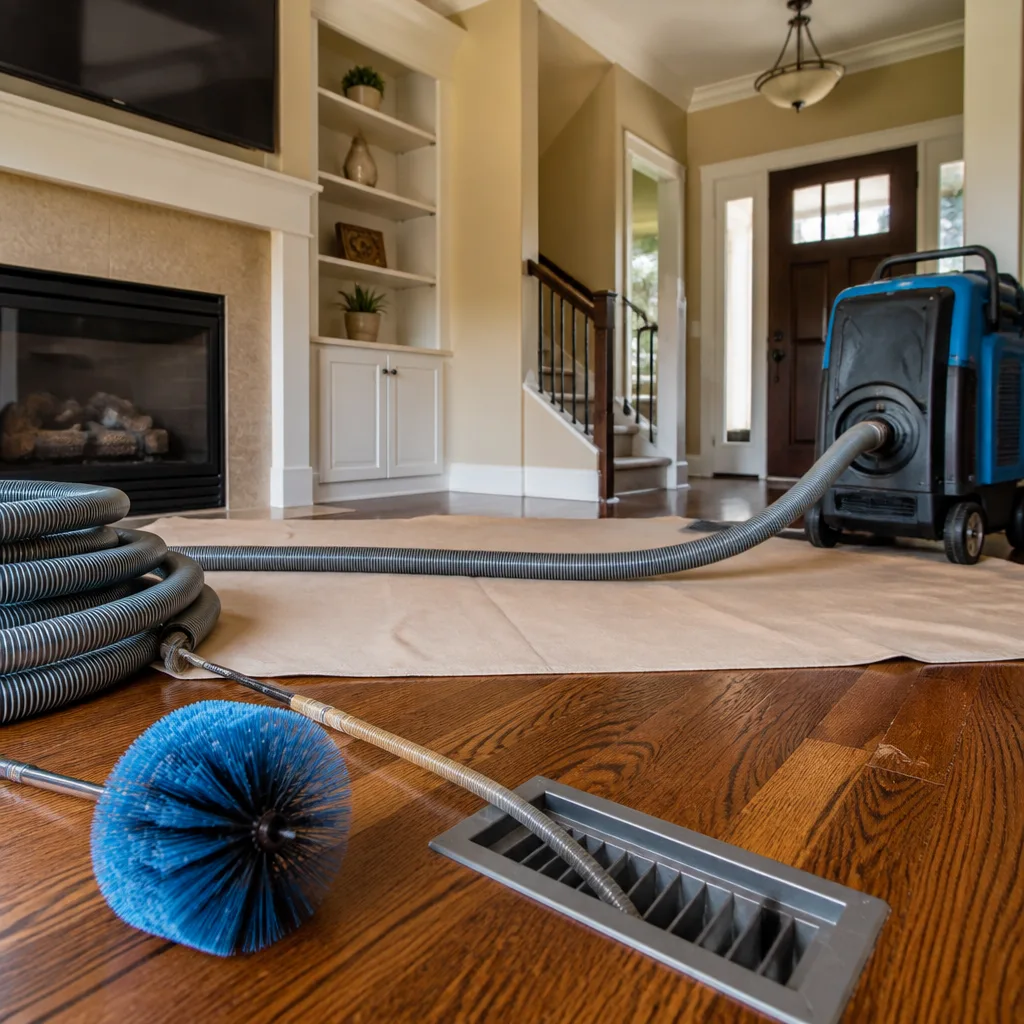 Whole-home duct cleaning
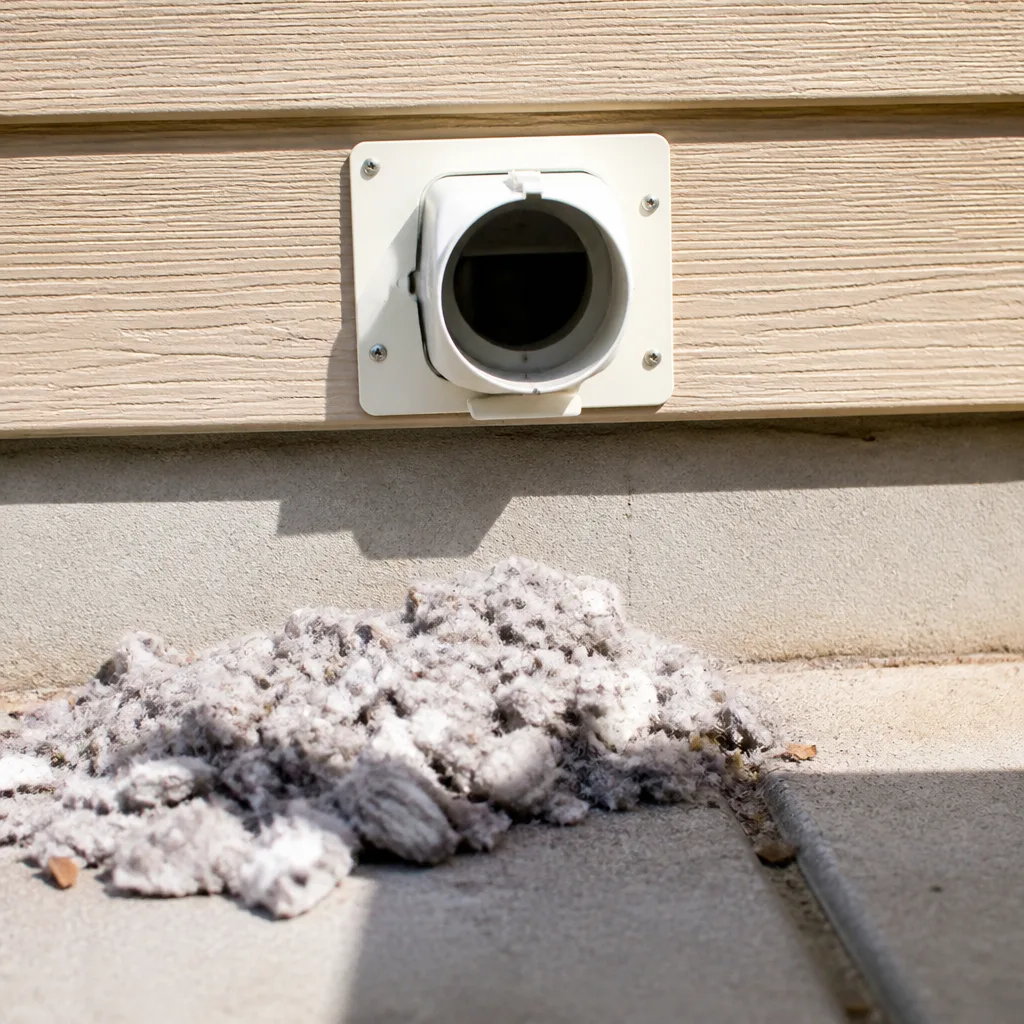 Dryer vent cleaning
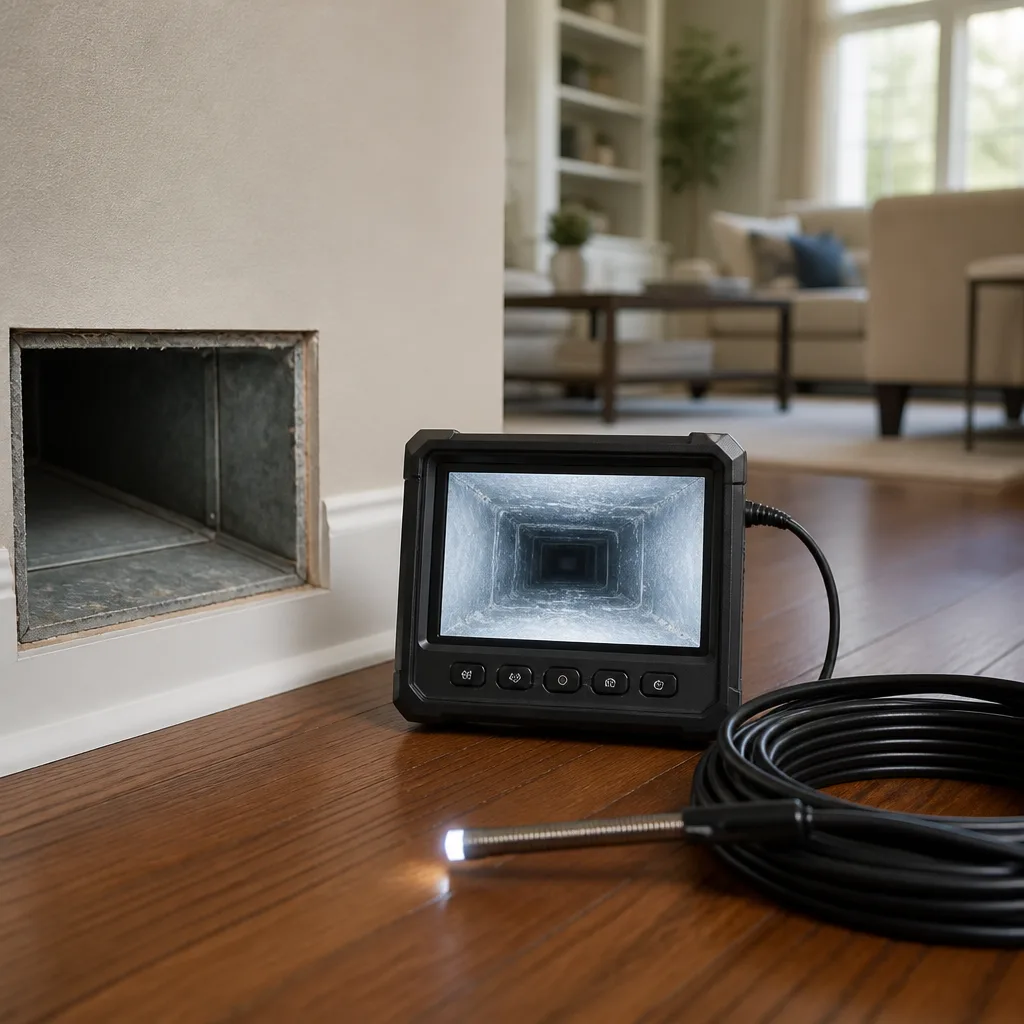 Camera inspection
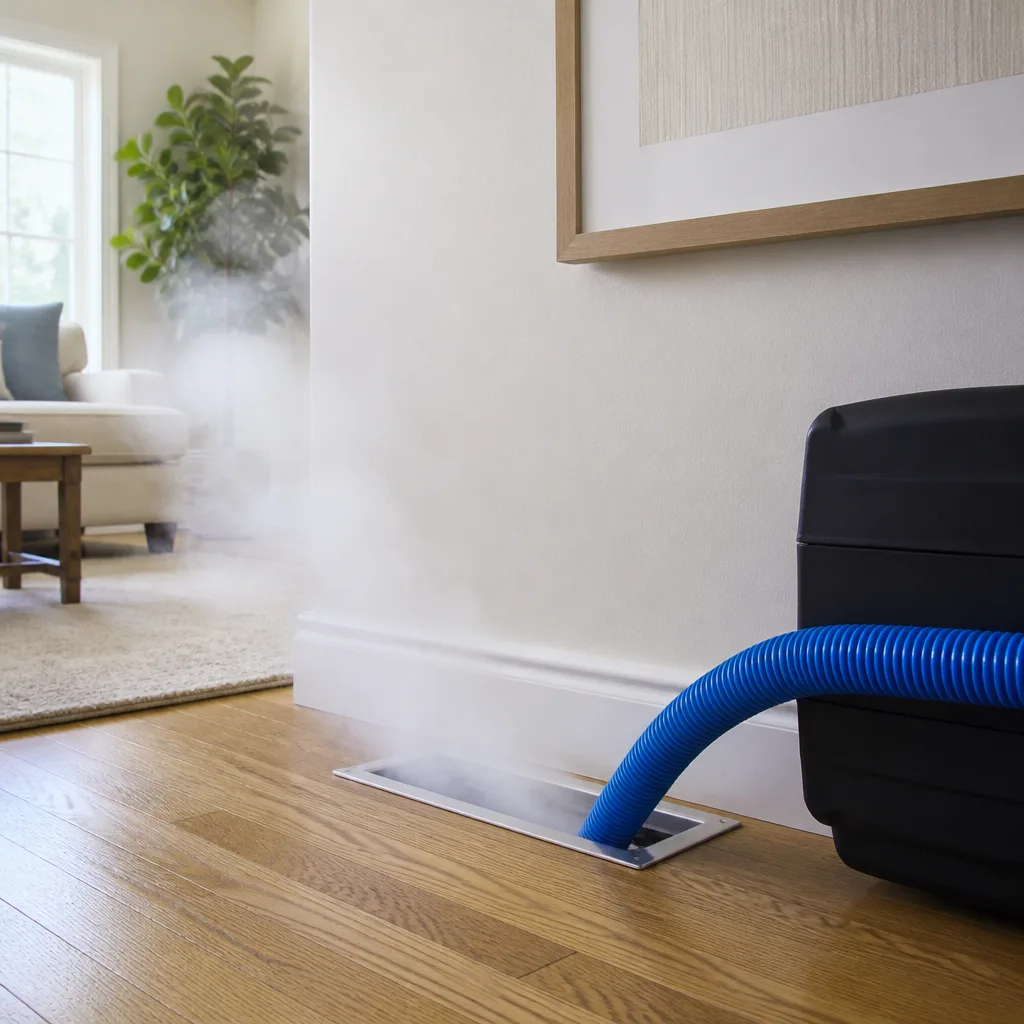 Sanitizing & deodorizing
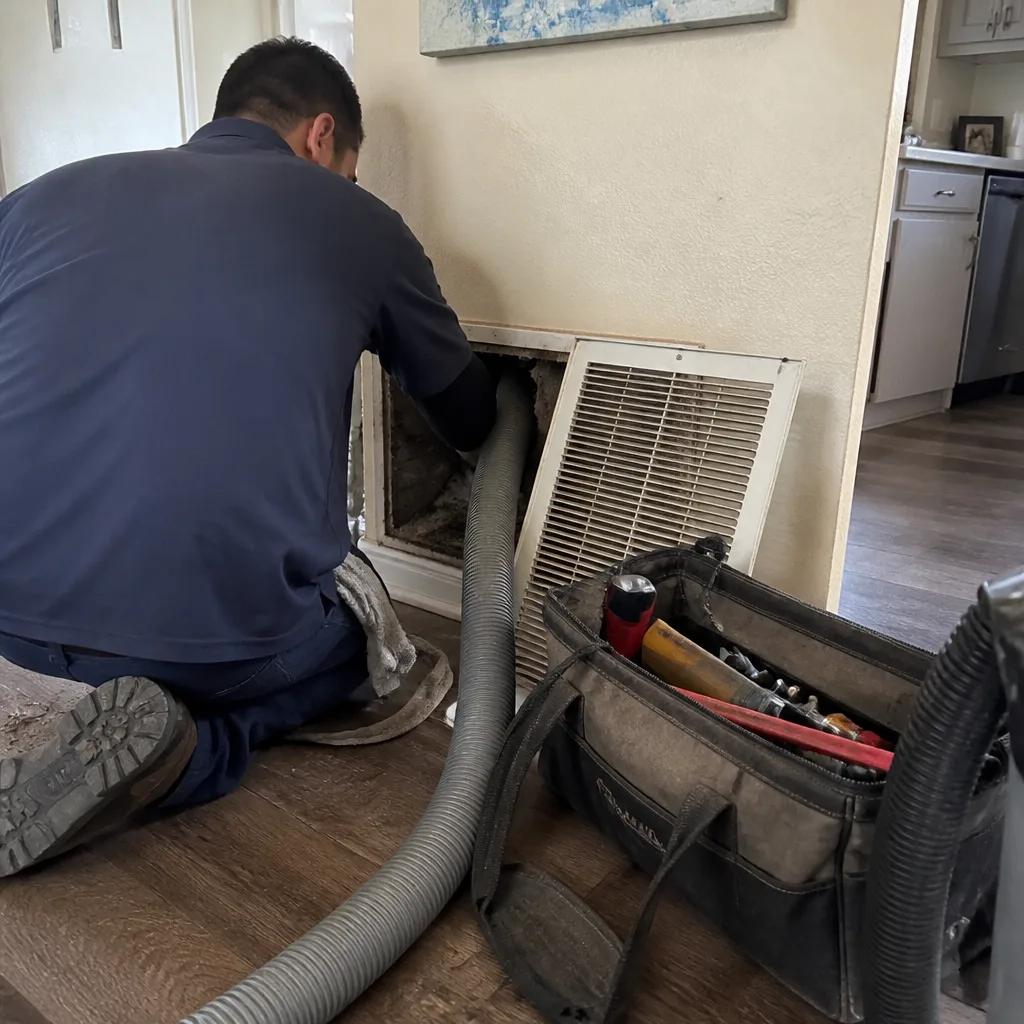
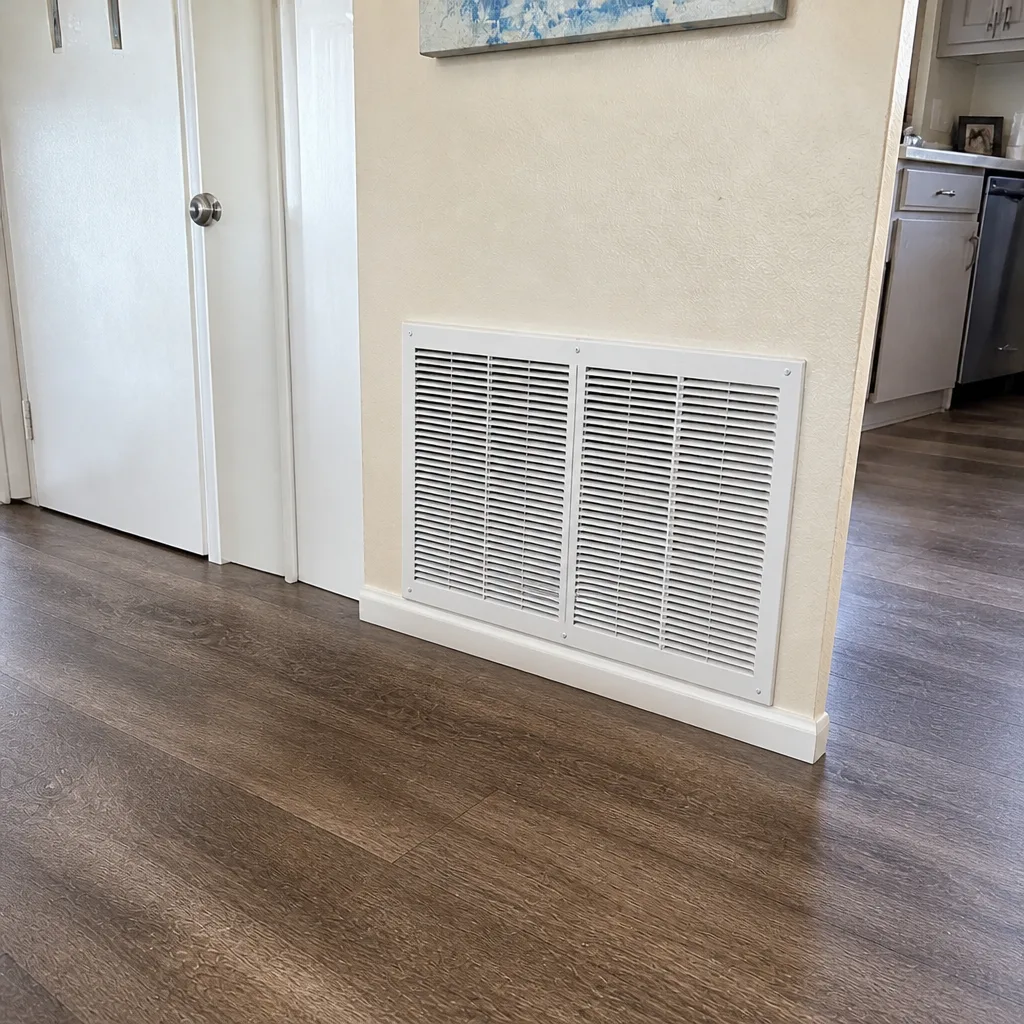
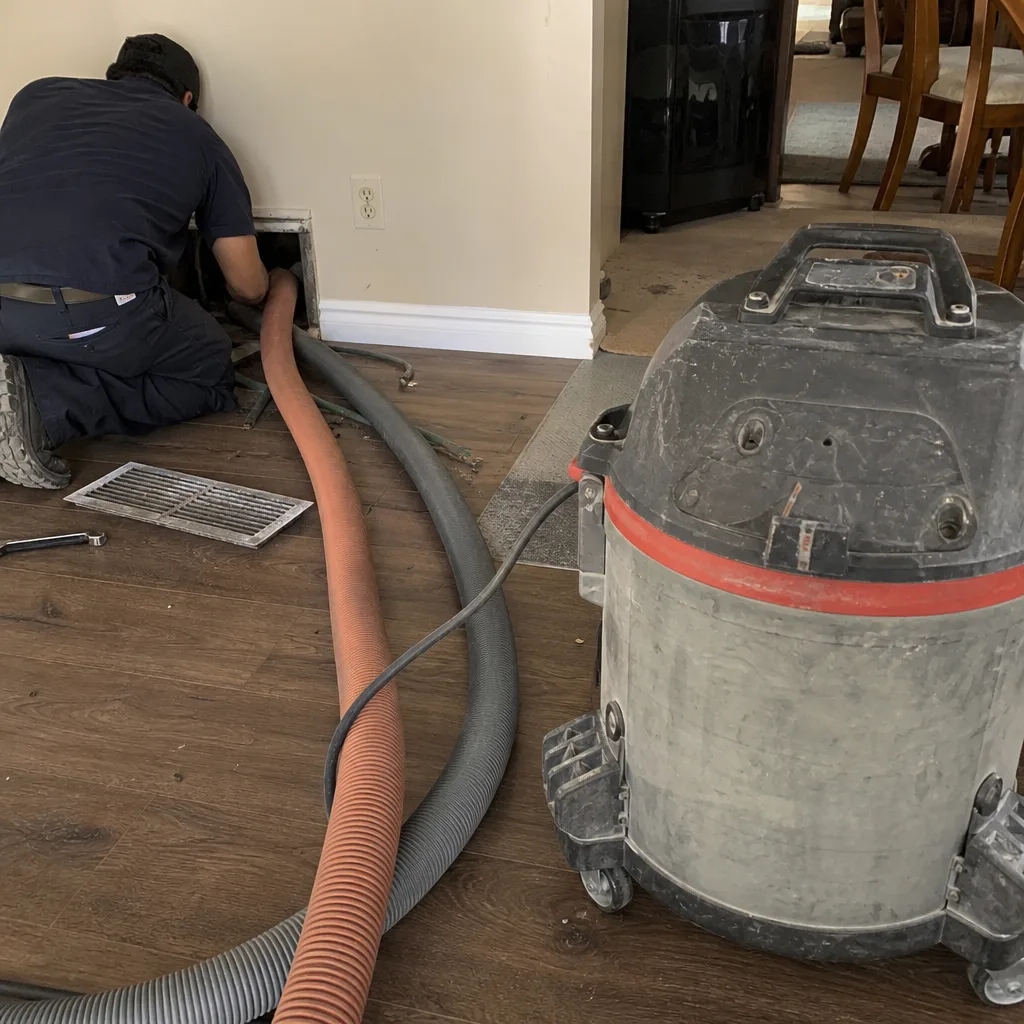
Whole-system duct and dryer vent check with before-and-after photos - you see exactly what came out of your vents
That "$99 whole-house special" is a bait ad - the real number appears once they are in your hallway, or the "clean" is a shop-vac at the register. We photograph the inside of your ducts before and after instead.
Air Duct Cleaning Maintenance Checklist for Redondo Beach Homeowners
Most duct maintenance checklists floating around the internet were written for places where relative humidity rarely breaks 60 percent. Redondo Beach regularly exceeds that before 9 a.m. That single fact changes what a realistic maintenance schedule looks like here, because humidity is not just a comfort issue. It is the primary driver of the exact conditions that let dust bind to duct surfaces, let biological growth take hold, and let filter media degrade faster than the packaging suggests. This guide is a maintenance checklist calibrated specifically for Redondo Beach, written by a crew that works in these homes year-round. You will learn what to inspect visually, how often filters actually need changing in this climate, when to pull out a camera instead of a flashlight, and where the line sits between a homeowner task and a job for professional source-removal equipment.
Quick Answer
An effective air duct maintenance checklist for Redondo Beach homeowners should include monthly visual checks of register color and condensation rings, filter changes every 30 to 60 days depending on coastal proximity and pets, a quarterly flex duct sag inspection in attics and crawl spaces, an annual dryer vent inspection, and a professional source-removal cleaning using Rotobrush rotary-brush systems and Nikro HEPA vacuums every 3 to 5 years, or sooner if visible dust returns within weeks of cleaning. The checklist should also include dated baseline photos of registers after any professional cleaning so future degradation is measurable rather than subjective. Homeowners who log these observations will know exactly when a problem crosses from routine maintenance into a repair or extraction job.
Styles & brands we work with
- Whole-home duct cleaning
- Dryer vent cleaning
- Camera inspection
- Sanitizing & deodorizing
Table of Contents
- Filter Change Intervals Adjusted for Redondo Beach Humidity
- Visual Inspection Points Homeowners Can Check Themselves
- Flex Duct Sag: The Overlooked Attic Check
- How to Log and Date Post-Cleaning Baseline Photos
- Dryer Vent Inspection as a Non-Optional Checklist Item
- When a Checklist Item Crosses Into Professional Equipment Territory
- Common Mistakes to Avoid
- When to Call a Professional
Filter Change Intervals Adjusted for Redondo Beach Humidity
The standard advice printed on most filter packaging is to change the filter every 90 days. That guidance assumes a dry climate with moderate indoor activity. Redondo Beach is not that climate. When outdoor relative humidity sits above 60 percent for large portions of the year, the filter media itself absorbs moisture from the air stream. A damp filter is a less efficient filter. It also becomes a surface where captured dust can cake rather than stay loose, which increases static pressure and forces the blower to work harder. Add pets to the equation and the loading rate accelerates further.
Here is a realistic schedule for a single-family home in Redondo Beach with central forced air:
- No pets, no smokers, moderate cooking: check at 45 days, replace at 60 days.
- One or two pets, or one resident with significant allergy symptoms: check every 30 days, replace at 45 days.
- Multiple pets, a smoker, or recent renovation work: replace every 30 days, and consider a MERV 11 filter rather than the default MERV 8.
A note on MERV ratings: moving to a very high MERV rating, like MERV 13 or above, without confirming that the blower can handle the added resistance can reduce airflow and strain the system. In many split systems, a MERV 11 filter with a 1-inch media bed offers a workable balance between particle capture and pressure drop. If you want finer filtration without choking the system, a media cabinet from Aprilaire or a Honeywell whole-home filtration unit is a better route than forcing a deep-pleat filter into a 1-inch slot. Those systems are engineered for higher capture efficiency while keeping static pressure within the manufacturer’s design range.
The other factor people miss is register proximity to the coast. Homes closer to the water in Redondo Beach see more humid intake air, which means filters load faster than identical systems further inland. If your filter looks gray at 30 days, that is not a sign of bad air. It is a sign the filter is doing its job in a humid environment. Log the date you install a filter and the date it looks loaded, then set a recurring calendar reminder at 75 percent of that interval. That kind of observation beats any generic schedule.
Visual Inspection Points Homeowners Can Check Themselves
You do not need specialized tools to spot early signs of duct problems. You need a flashlight, a phone camera, and a consistent routine. The goal is not to diagnose the inside of the ductwork from the outside. The goal is to catch evidence that something has changed inside the system. Three register-level observations are especially useful in Redondo Beach homes because humidity makes the evidence more visible than it would be in a dry climate.
First, register color shift. Pull a supply register off the wall or ceiling and look at the metal or plastic frame. Compare the color of the metal behind the register face to the metal that sits inside the boot. If the interior metal is noticeably darker, or if there is a fine gray film that smears when wiped with a damp white cloth, that film is duct debris. A light dusting is normal. A visible coating is not. The difference matters because a coating that thick will redeposit on the register face within days of being wiped clean. When you see that cycle repeat, the ducts are acting as a debris reservoir, not just a pathway.
Second, condensation rings on supply boots. In a humid climate like Redondo Beach, cold supply air moving through a warm, humid attic or crawl space can cause condensation on the outside of the boot. Over time this leaves a faint ring or tide mark where the boot meets the ceiling drywall or floor. A light ring that appears only on the hottest, most humid days and dries completely is often just physics. A persistent stain that never fully dries, or one that shows any dark green or black tint, indicates moisture is sitting on that surface long enough to support biological growth. That is when the boot insulation or the boot seal needs inspection, not just the duct interior.
Third, after a cleaning, watch the register face. This is the single most useful homeowner observation because it is a repeatable, low-effort test. Wipe the register clean. Note the date. If visible dust returns to the register face within two to three weeks while the system runs on a maintained schedule, the ducts are still shedding debris. That points to either an incomplete previous cleaning or a damaged section of duct that is pulling in attic or crawl space air. Either way, it is measurable and worth documenting.
Flex Duct Sag: The Overlooked Attic Check
Flex duct sag is one of the most common findings in Redondo Beach attics, and it is almost never on a generic maintenance checklist. The reason it matters more here than in a dry inland market comes down to the same humidity story. When a flex duct run sags between support straps, it creates a low spot. In a humid attic, condensation can collect in that low spot during cooling season. That moisture sits against the duct liner, which is already coated with a fine layer of household dust pulled from the return side. A damp, dust-lined duct is not a theoretical concern. It is a surface where odor and microbial growth can establish in a matter of weeks during a humid summer.
The homeowner check is straightforward. In the attic or crawl space, look at the longest horizontal flex duct runs. Each run should be supported every 4 to 5 feet, with straps that are wide enough to cradle the duct without pinching it. The duct should run in a gradual, continuous line from plenum to boot. If you see a section that dips more than roughly 2 inches between supports, that is a sag. If the sag is accompanied by visible strap tension, where the duct looks like it is pulling against a strap, the support spacing or strap width is wrong.
What a sag indicates depends on where it sits. A sag near a supply boot with a condensation ring on the ceiling below suggests the duct is not insulated well enough at the boot connection. A sag in the middle of a long run with no ceiling stain below may be causing airflow restriction rather than moisture pooling. Both conditions reduce delivered airflow to the room at the end of that run. The fix is usually re-strapping to a wider support or shortening the run, which is a repair task, not a cleaning task. That is where the distinction matters: a thorough air duct cleaning can remove the debris that has already accumulated, but it will not correct the sag that caused the moisture to collect in the first place. The sag needs to be fixed, and fixing it is part of what a full-scope duct crew does.
How to Log and Date Post-Cleaning Baseline Photos
The most underused maintenance tool in a Redondo Beach home is a phone camera pointed at a register after a professional cleaning. Most homeowners rely on memory to judge whether a cleaning was effective that is whether the visible dust stayed away. Memory is a poor instrument for that job. It assigns importance to recent events and smooths over gradual decline. A dated photo removes the smoothing.
The method is simple enough to fit on a half sheet of paper. After a professional cleaning, pick three supply registers that represent the system: one in the room closest to the air handler, one in the room farthest from it, and one in a bedroom where someone with allergies sleeps. Remove each register face. Take a photo of the register face itself, a photo of the boot opening, and a photo of the wall or ceiling immediately around the boot. Use the flash. Save them in a folder named with the cleaning date. Do the same at six months, then at one year, then at each annual check.
What you are looking for at each interval is the rate of change. A very light gray haze at one year is a normal result in Redondo Beach, especially with pets. A register face that looks like the pre-cleaning photo within six months is not normal. It means the ducts have re-contaminated faster than they should, and the cause is usually structural: a return leak pulling attic air, a disconnected section, or a previous cleaning that was agitation-only rather than source removal. When we perform a cleaning with a Rotobrush rotary-brush system and a Nikro HEPA vacuum, the debris is physically dislodged and extracted at the source, not blown downstream. That method produces a baseline that should hold up measurably in photos. If it does not, the photos give us a diagnostic starting point rather than a mystery to solve from scratch.
Photograph the filter too. A dated photo of a clean filter installed, followed by a dated photo of the same filter at the 30-day mark, tells you more about your home’s actual particulate load than any online chart. It also tells you whether a Honeywell or Aprilaire filtration upgrade would pay for itself in filter life and blower strain.
Dryer Vent Inspection as a Non-Optional Checklist Item
A duct maintenance checklist that skips the dryer vent is incomplete, and in Redondo Beach it is actively unsafe. The fire risk from a lint-clogged dryer vent is not a hypothetical. Lint is highly combustible, and the airflow restriction from a partially clogged vent raises the dryer’s internal temperature while extending drying times. In multi-story Redondo Beach townhomes, dryer vents often run long distances through walls or between floors, which means more joints, more bends, and more places for lint to accumulate where no one sees it. The layout itself makes the clog harder to notice and the consequence worse when it occurs.
The homeowner check does not require opening the wall. Run the dryer on a normal cycle and go outside to the exhaust termination. The airflow at the termination should be forceful enough to hold a tissue horizontally. If the airflow is weak, or if you can see lint collecting on the termination screen between cleanings, the vent is already restricted. Inside, pay attention to drying time. If a standard load of towels that once dried in one cycle now takes two, and the lint screen is clean, the restriction is downstream of the screen. That is the vent run, not the dryer.
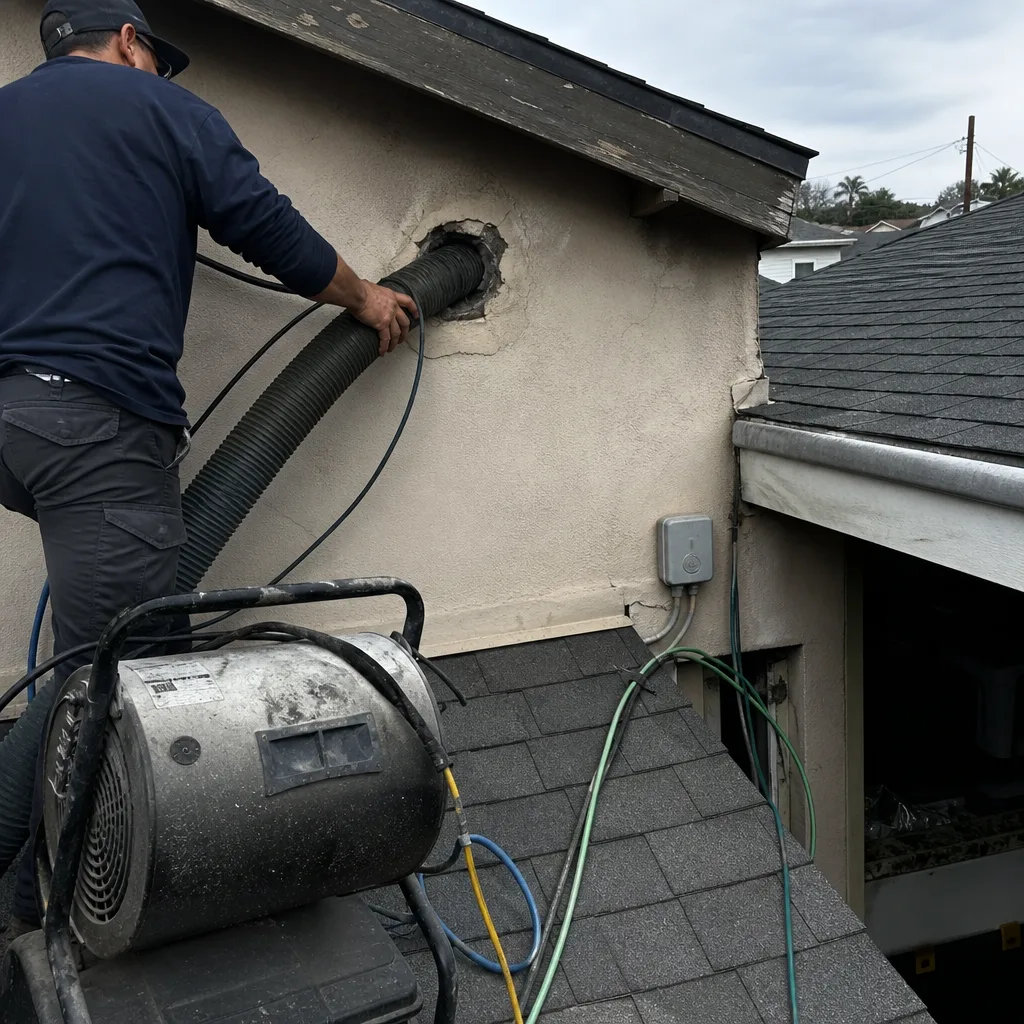
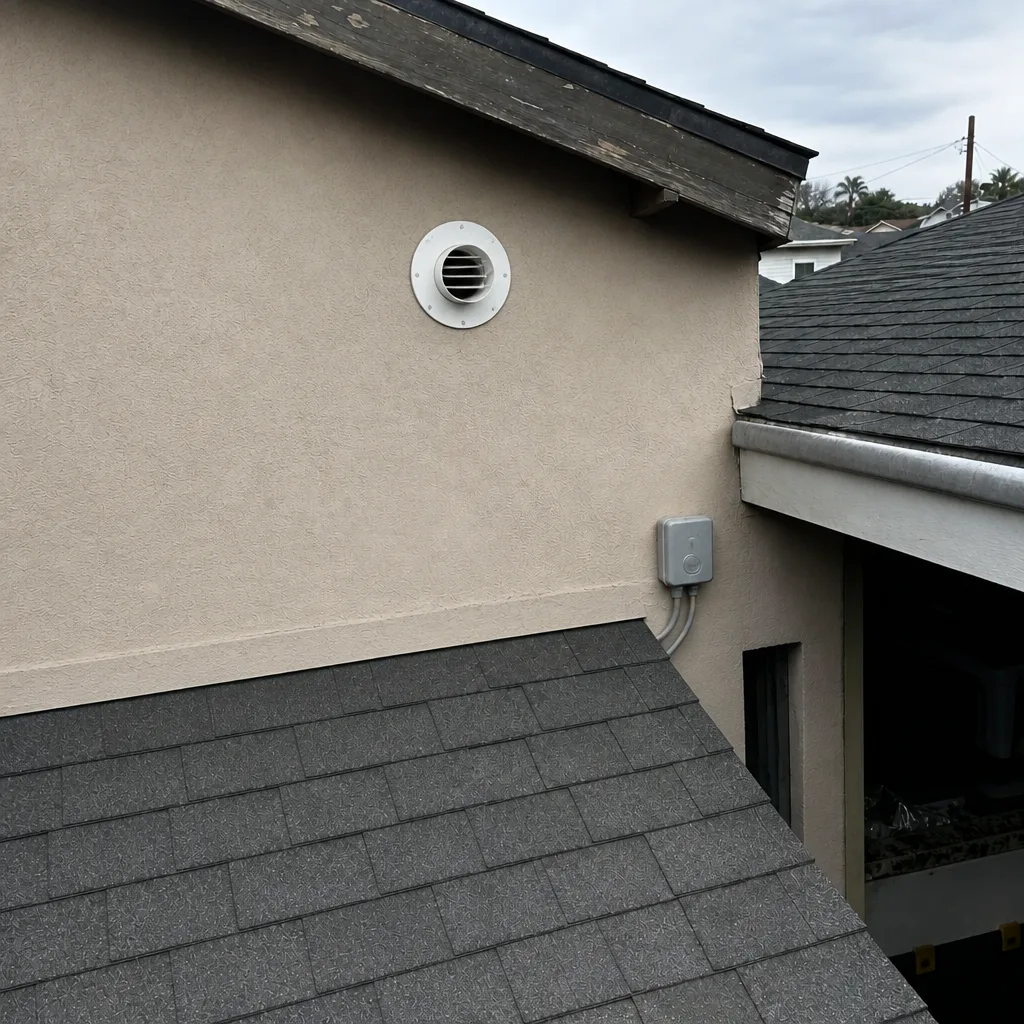
Our dryer vent cleaning service treats this as a mechanical removal job, not a visual inspection. We use rotary brush equipment to pull lint out of the full run, and we check the termination for proper flapper operation. We also look at the vent material itself. Corrugated foil or plastic venting traps lint at every ridge and does not meet current fire safety practice. A smooth rigid metal run is the correct material. If the vent needs replacement or re-routing, that is repaired on the same scope of work. One crew handles the cleaning and the correction, which matters when the alternative is calling one company to clean the vent and another to fix it a week later.
When a Checklist Item Crosses Into Professional Equipment Territory
Every maintenance checklist should have a clear stop line: the point where a homeowner observation ends and a professional tool begins. Drawing that line correctly prevents two failure modes. The first is ignoring a problem because it cannot be seen without opening the duct. The second is attempting a cleaning with a consumer shop vac and a leaf blower, which agitates debris without extracting it and often makes the indoor air worse for a week. The equipment distinction is not marketing. It determines whether the cleaning actually removes material or just moves it.
Source-removal cleaning is the method the commercial HVAC industry uses. It relies on two things happening at once: mechanical agitation that breaks debris loose from the duct wall, and continuous negative-pressure extraction that captures the loosened debris before it enters the living space. Our crews use a Rotobrush rotary-brush system for the agitation and Nikro HEPA vacuums for the extraction. The vacuum pulls the duct into negative pressure while the brush spins, so loosened material is drawn directly into the HEPA-filtered vacuum rather than circulating through the house. We also deploy Abatement Technologies air filtration on-site during the cleaning to contain anything that does become airborne. That equipment stack is the difference between a cleaning that leaves the home measurably cleaner and one that requires a week of dusting to recover from.
Cross the line from homeowner checklist to professional cleaning when any of these conditions apply:
- Visible dust returns to register faces within three weeks of wiping them clean, on a maintained filter schedule.
- Any register or boot shows persistent moisture, green or black staining, or an odor that intensifies when the blower runs.
- Flex duct runs show sag greater than 2 inches between supports, or torn outer jackets exposing the insulation.
- Renovation work has occurred in the home, especially drywall sanding, flooring removal, or attic insulation work.
- The dryer takes more than one cycle to dry a normal load, or visible lint accumulates at the exterior termination.
- Residents experience allergy symptoms that improve away from home and worsen within hours of returning.
Each of these is a signal that the duct system has stopped being a passive air pathway and started acting as a reservoir or a moisture source. A shop vac at the register opening cannot reach the debris in the middle of a duct run, and it cannot capture fine particulate fine enough to pass through a standard filter. The HEPA extraction matters because it captures the fine fraction, the particles that stay airborne longest and cause the most respiratory irritation.
Common Mistakes to Avoid
- Using a humidistat setting as a set-and-forget control. In Redondo Beach, an indoor humidity target of 55 to 60 percent is realistic and prevents condensation inside supply ducts. Above 60 percent, condensation becomes persistent, and no amount of cleaning will fix a biology problem in a constantly damp duct. Monitor it monthly during summer.
- Buying the highest MERV filter that physically fits. A deep-pleat MERV 13 filter squeezed into a 1-inch rack can raise static pressure enough to reduce system efficiency and strain the blower motor. This is the most common well-intentioned mistake we see, and it frequently voids equipment warranties that specify maximum filter resistance.
- Cleaning only the supply side. The return side carries unfiltered air from the home into the system and is often more heavily loaded than the supply ducts. Any cleaning that treats only the supply registers has addressed half the problem. A proper source-removal cleaning covers the full return run, the plenums, and the air handler interior.
- Trusting a visual-only inspection from a discount service. A camera scope is useful, but a camera cannot tell you how much fine particulate is bonded to the duct walls. A cleaning-only company that does not use source-removal equipment can show you clean-looking photos while leaving the fine fraction behind.
- Running a whole-house fan or opening windows during and after a cleaning. In Redondo Beach humidity, doing this pulls moist outdoor air into a freshly cleaned duct system and creates exactly the damp dust-bonding condition the cleaning was meant to remove. Keep the system closed for the first 24 hours after a professional cleaning.
- Ignoring the dryer vent because the lint screen is clean. The lint screen catches only a fraction of the lint produced, and the rest moves into the vent run. A clean screen on a long multi-story vent run in a Redondo Beach townhome tells you nothing about the condition of the lower third of that run.
- Assuming the previous owner maintained the ducts. In resale homes throughout Redondo Beach, ducts and dryer vents are among the least-documented systems in the house. Unless the previous owner left dated service records or baseline photos, assume the system has not been professionally cleaned.
When to Call a Professional
Call when the checklist findings stop improving with homeowner-level corrections. If filter changes are on schedule, registers are wiped clean, the dryer lint screen is cleared after every load, and dust still returns within weeks, you have moved past the maintenance phase. The same is true for any persistent moisture staining, any odor that returns after cleaning the register, any flex duct sag you can measure with a hand span, and any dryer that has not been professionally vented in the last year. These are not conditions that improve with time. They are conditions that get more expensive and, in the dryer vent case, more dangerous the longer they wait.
Duct Cleaning Redondo Beach offers free estimates in Redondo Beach for air duct cleaning, dryer vent cleaning, and air duct repair. Call (877) 358-4828. We answer 24/7. Fast dispatch from 7am to 7pm, Sunday through Friday.
See the difference
 Before
 After
 Before
 After
 Before
 After
Frequently Asked Questions
Every 3 to 5 years for most Redondo Beach homes, or sooner if visible dust returns to register faces within three weeks of wiping them clean on a maintained filter schedule. Homes with pets, recent renovation work, or persistent allergy symptoms may need source-removal cleaning more frequently. Call (877) 358-4828 for a free estimate based on your system’s condition.
Fast-returning dust usually means either an incomplete previous cleaning that agitated debris without extracting it, or a structural leak in the duct system pulling attic or crawl space air into the return side. A Rotobrush rotary-brush system paired with a Nikro HEPA vacuum physically removes the debris at the source, which produces a cleaner baseline that should hold measurably in dated photos.
Yes. Higher relative humidity causes filter media to load faster because captured dust binds to damp filter fibers instead of shedding. Homes closer to the water, and homes with pets, should check filters at 30 days and plan on replacement every 45 to 60 days rather than the standard 90-day schedule.
For most 1-inch filter slots, MERV 11 offers a practical balance between particle capture and airflow resistance. Before installing MERV 13 or higher, confirm the blower can handle the added static pressure. For finer filtration without system strain, a whole-home media cabinet from Honeywell or Aprilaire is a better engineered solution than a deep-pleat filter in a 1-inch slot.
A shop vac at the register opening cannot reach the debris in the middle of a duct run, and it cannot capture the fine particulate that passes through standard filters. Consumer agitation methods often loosen more debris than they extract, which makes indoor air worse for days after the attempt. Source-removal cleaning requires professional-grade equipment designed for the job.
Yes, and it is the most safety-critical item on the list. Lint is combustible, and a restricted vent raises dryer temperature while extending drying times. In multi-story Redondo Beach townhomes with long vent runs through walls, lint accumulates out of sight and out of mind. An annual professional dryer vent cleaning is the minimum for a household that dries clothes regularly. Call (877) 358-4828 for a free estimate on dryer vent cleaning and air duct cleaning together.
The Bottom Line
A useful duct maintenance checklist for Redondo Beach is calibrated to the climate that actually exists here: humid, mild in winter, and demanding on filters, boots, and flex duct runs in ways that dry-climate checklists never address. The core routine is monthly register checks, 30-to-60-day filter changes based on pets and coastal proximity, quarterly flex duct sag inspections, annual dryer vent cleaning, and professional source-removal cleaning every 3 to 5 years. Date your baseline photos, log your filter loading, and when the evidence says the system has become a debris reservoir, stop with the homeowner tools. Source-removal equipment, properly deployed, is the only method that removes fine particulate rather than recirculating it. The checklist is not about doing more. It is about knowing when to look, what to record, and when to bring in the right tools.
Written by the team at Duct Cleaning Redondo Beach, serving Redondo Beach since 2017.