
Last updated November 4, 2026
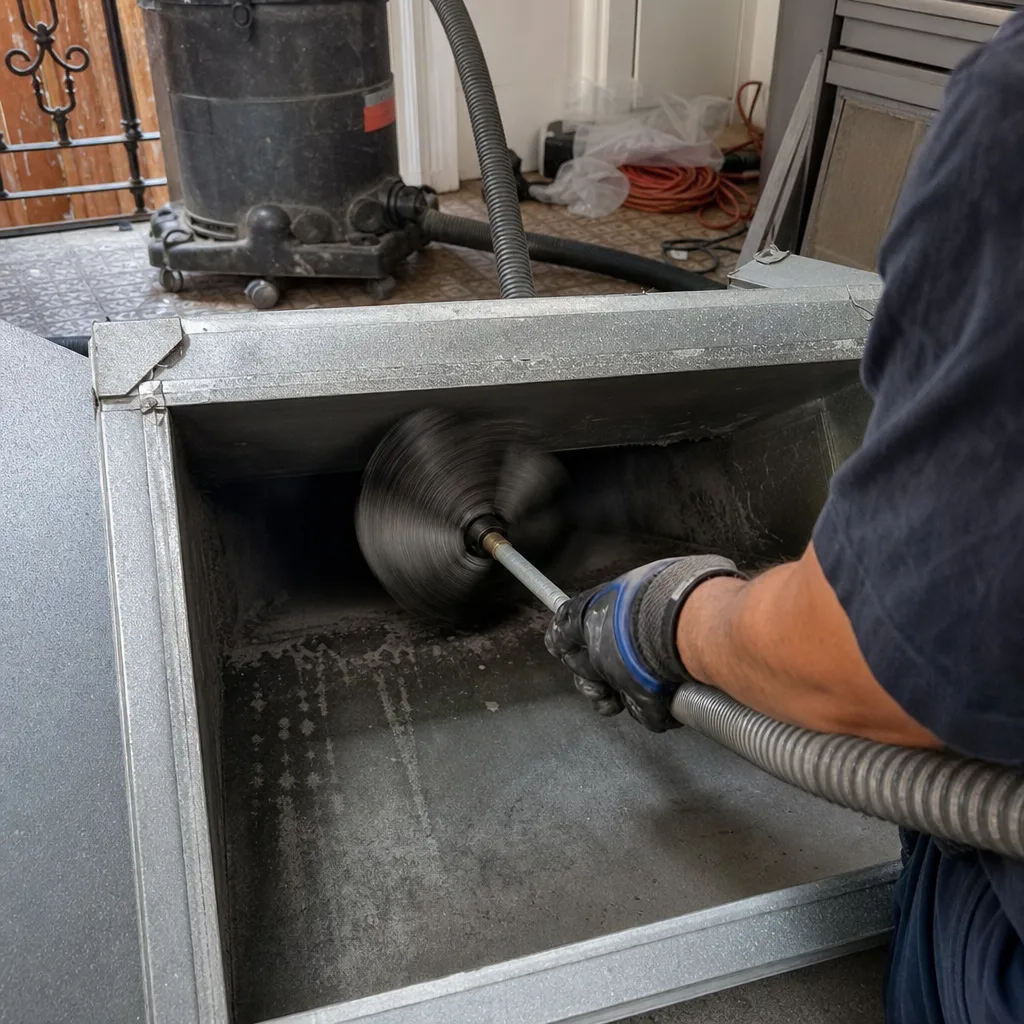
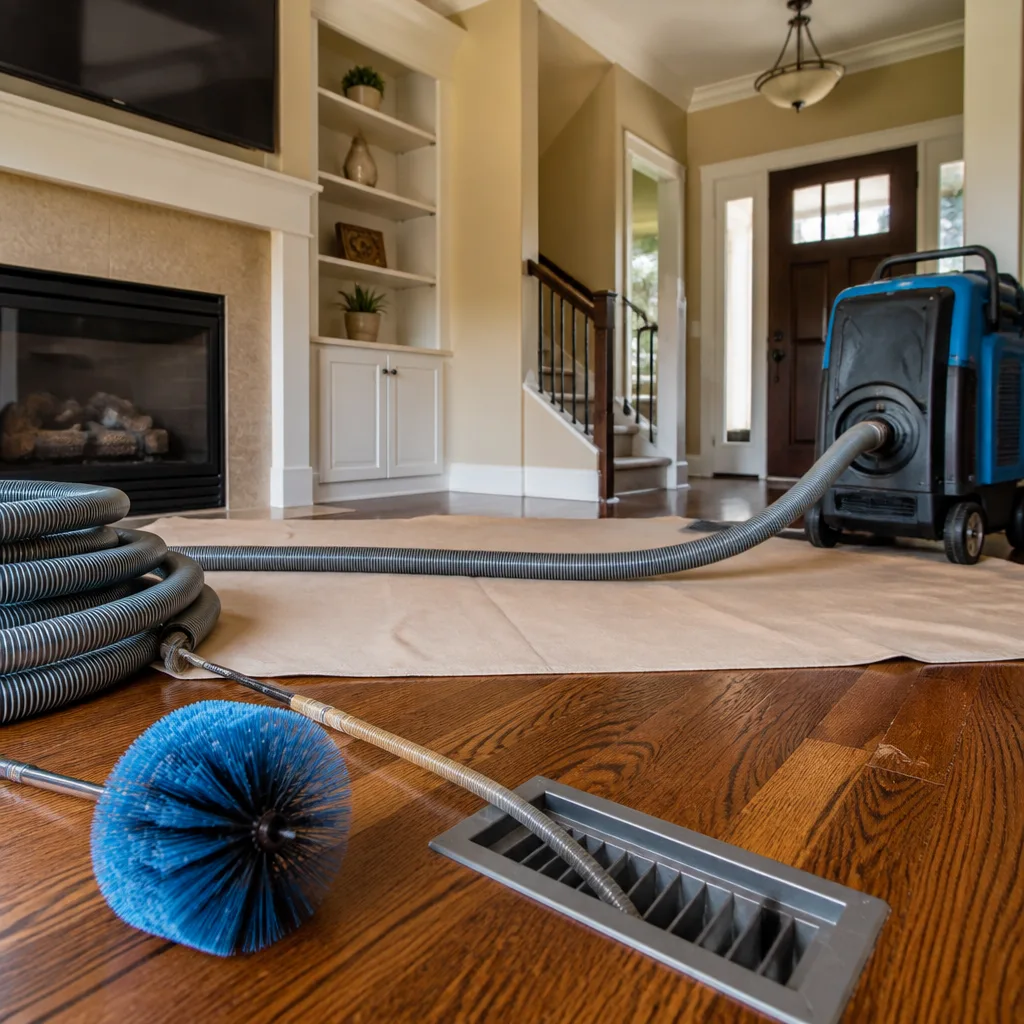 Whole-home duct cleaning
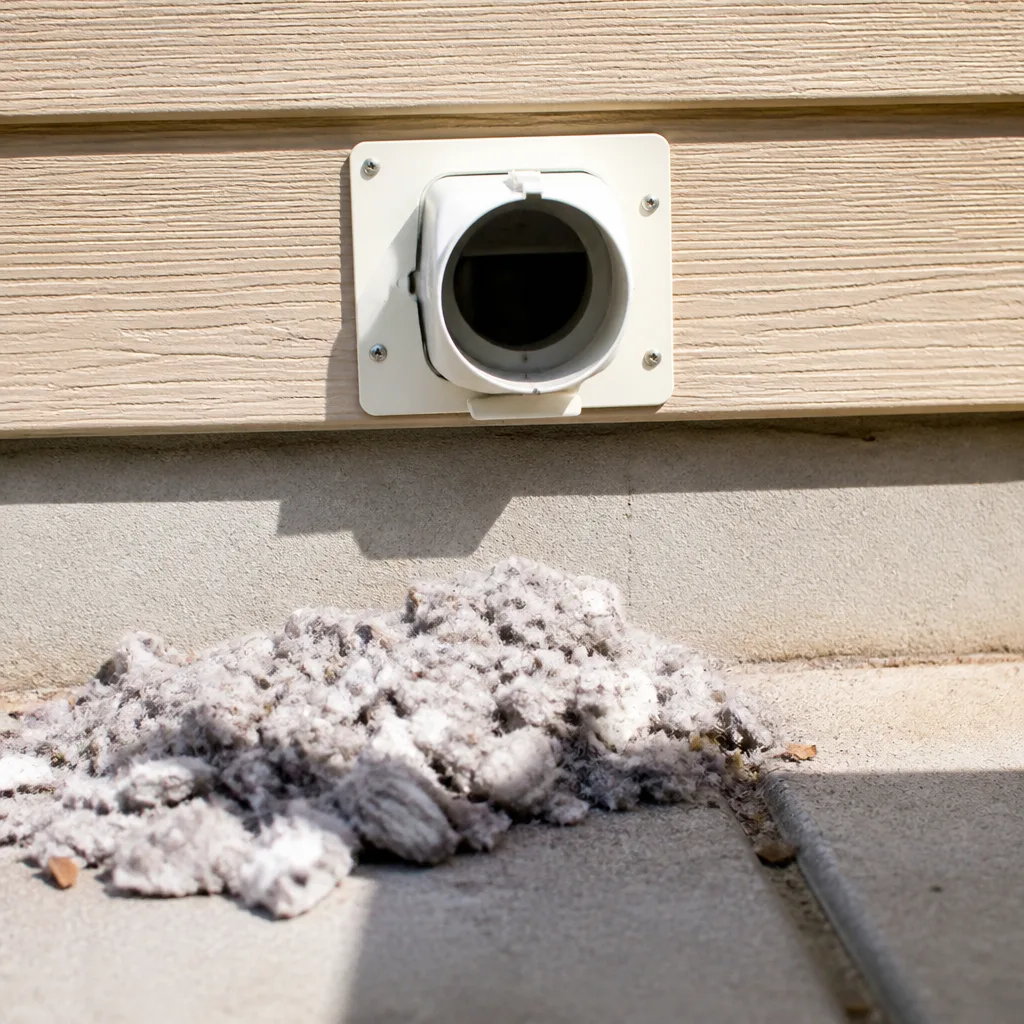 Dryer vent cleaning
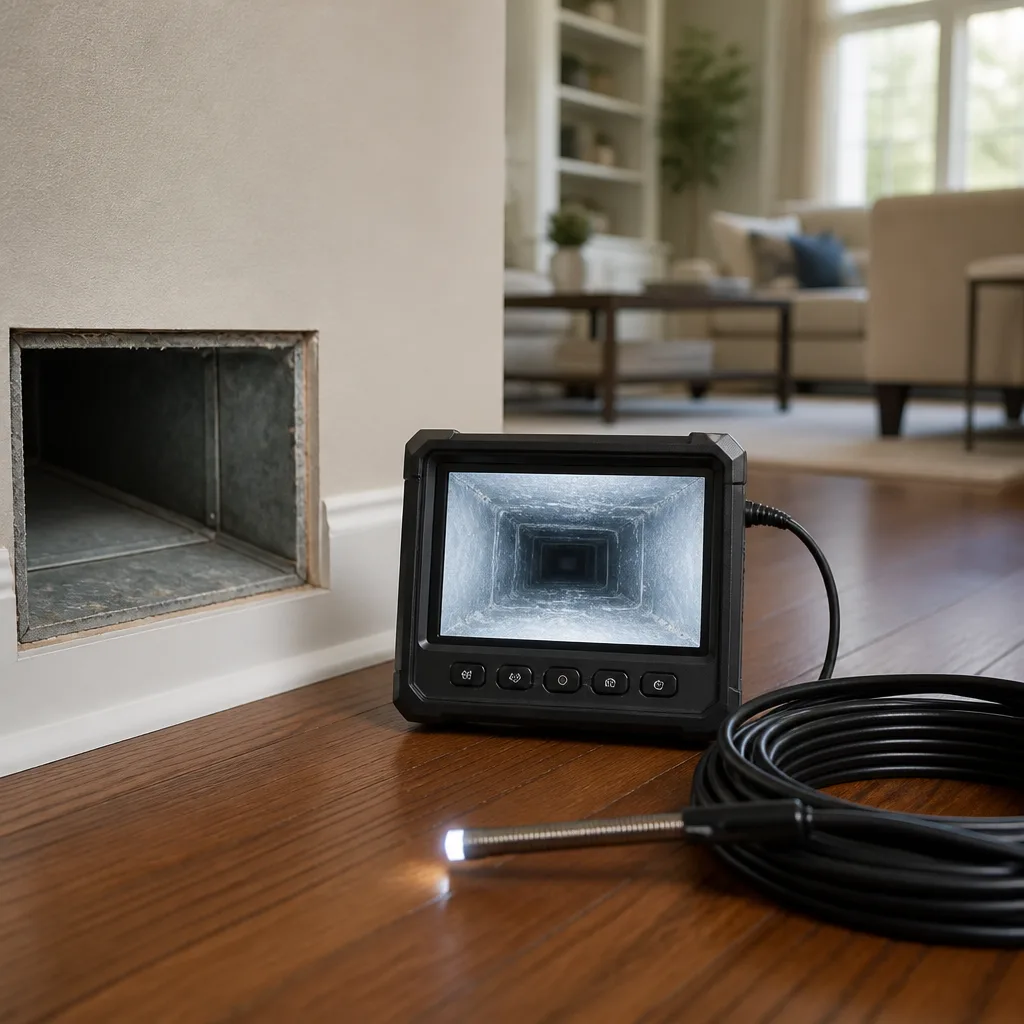 Camera inspection
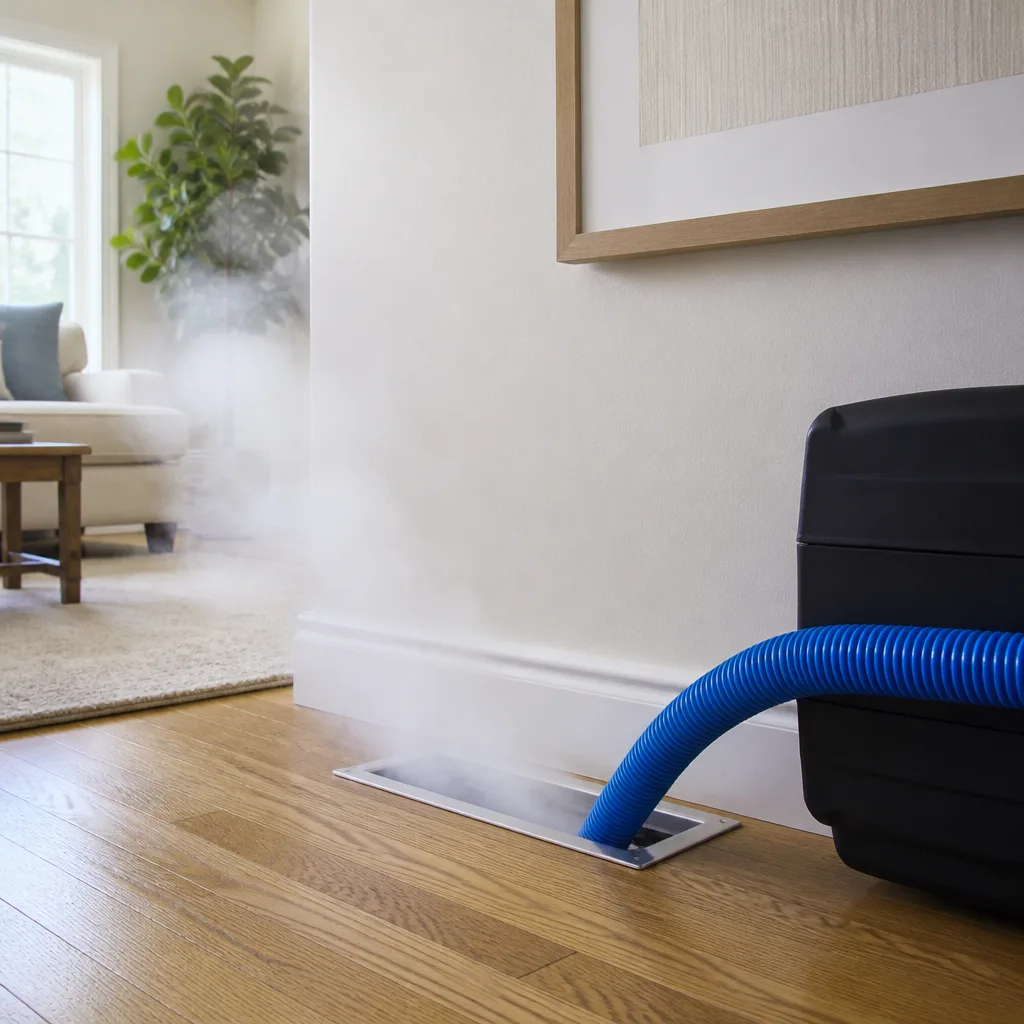 Sanitizing & deodorizing
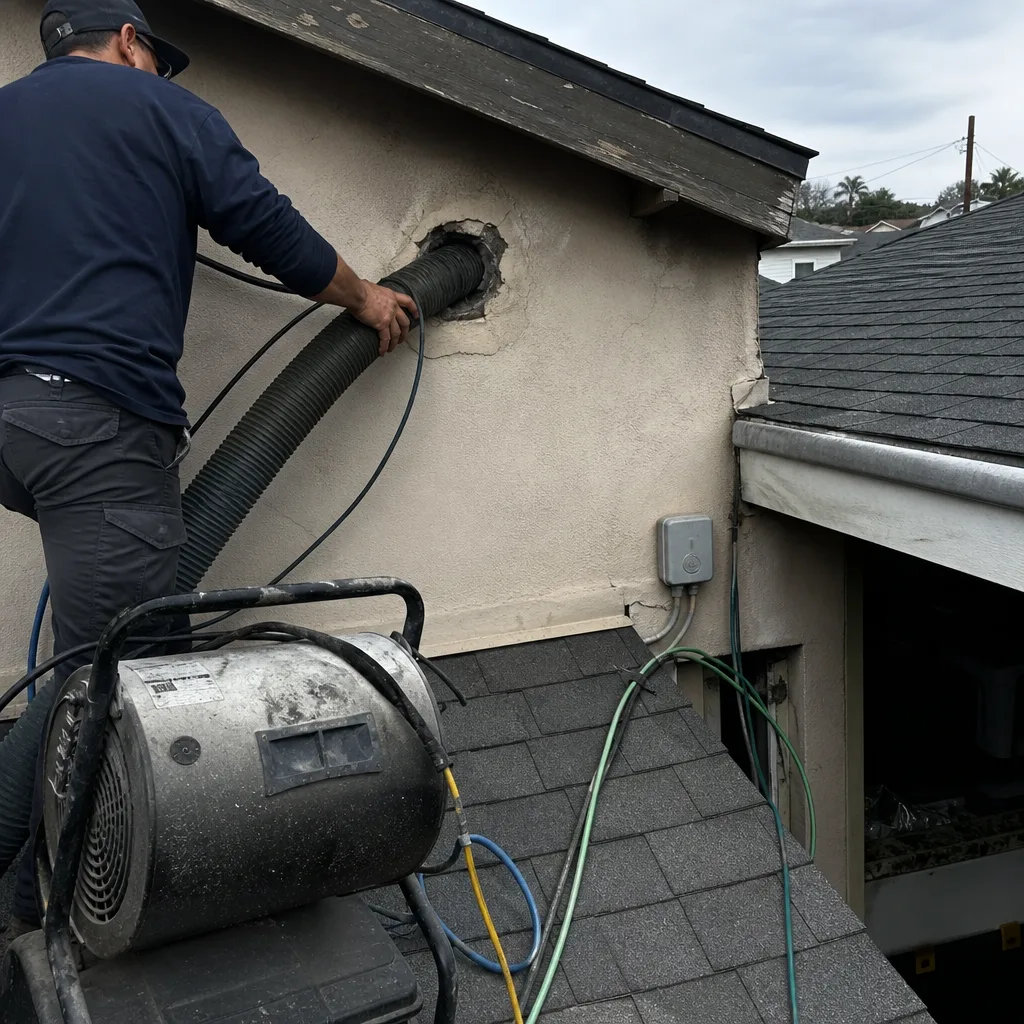
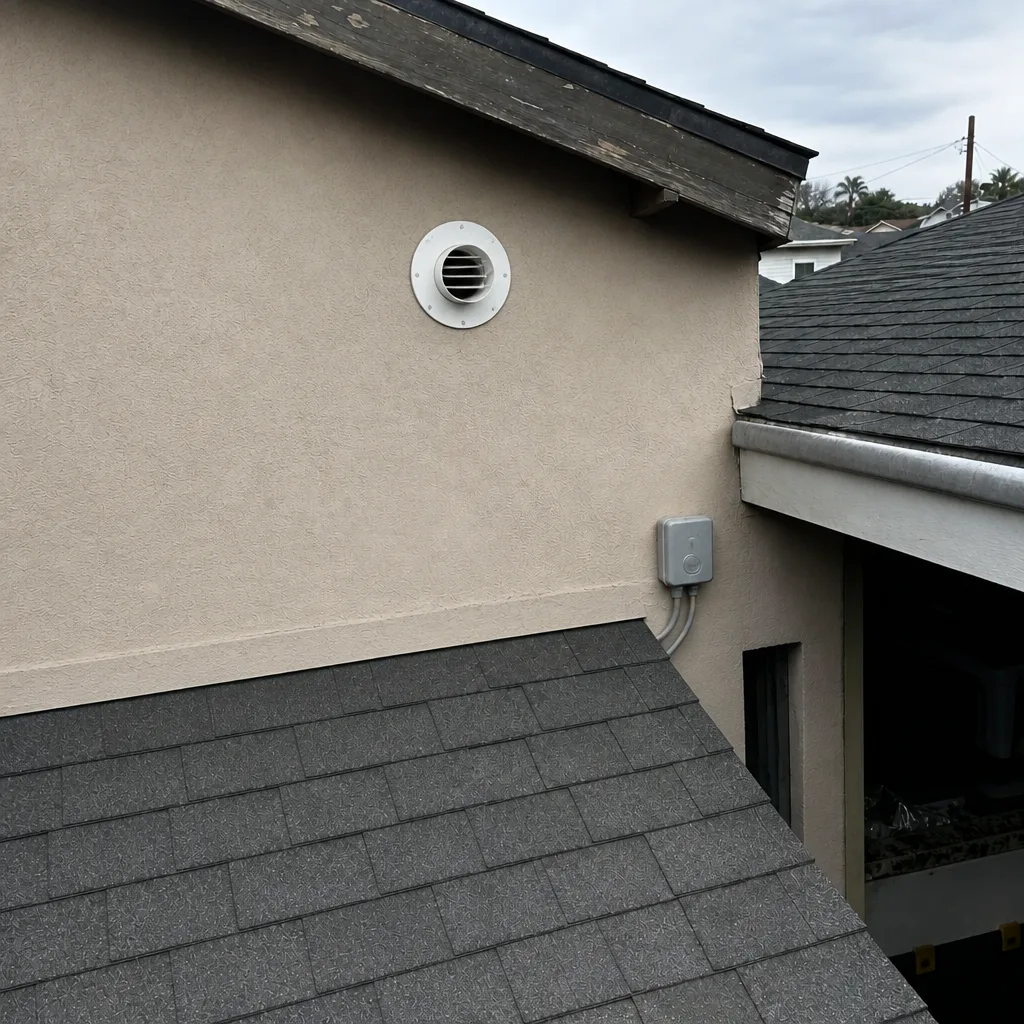
Whole-system duct and dryer vent check with before-and-after photos - you see exactly what came out of your vents
That "$99 whole-house special" is a bait ad - the real number appears once they are in your hallway, or the "clean" is a shop-vac at the register. We photograph the inside of your ducts before and after instead.
Air Duct Cleaning Warning Signs: A Redondo Beach Homeowner’s Reference Guide
A musty smell coming from your vents is not one problem. It’s at least five different problems, each with its own location, its own fix, and its own price tag. Misdiagnosing it as “dirty ducts” when the real culprit is a wet air handler drain pan costs Redondo Beach homeowners time and money they didn’t need to spend. This guide maps each symptom you’re likely to notice back to the specific mechanical cause behind it, so you understand what you’re actually dealing with before you pick up the phone. By the end, you’ll know the difference between dust that signals a cleaning job and dust that signals a duct failure, and which one requires a different conversation entirely.
Styles & brands we work with
- Whole-home duct cleaning
- Dryer vent cleaning
- Camera inspection
- Sanitizing & deodorizing
Quick Answer
The most reliable warning signs that your air ducts need cleaning in Redondo Beach are visible dust buildup around supply registers, a musty or stale odor that intensifies when the HVAC system runs, unexplained allergy or respiratory flare-ups at home, uneven airflow between rooms, and utility bills that climb without a corresponding change in usage. Any one of these symptoms can point to dirty ducts, but several together usually indicate the duct system needs a source-removal cleaning with professional equipment, not a quick agitation with consumer tools.
Table of Contents
- What a Musty Smell From Your Vents Actually Means
- Black Dust vs. Gray Dust Around Registers: Why the Color Matters
- Uneven Room Temperatures and What They Say About Your Ducts
- Elevated Utility Bills as a Duct Leakage Signal
- Dryer-Specific Warning Signs You Shouldn’t Ignore
- Allergy Symptoms That Point to Your Ductwork, Not the Season
- Reduced Airflow and What It Means for Your System
- Common Mistakes to Avoid
- When to Call a Professional
- Frequently Asked Questions
- The Bottom Line
What a Musty Smell From Your Vents Actually Means
A musty odor when your air conditioner kicks on is the symptom homeowners most often bring to us. The mistake is assuming it has one cause. It doesn’t. In our experience working on air duct cleaning in Redondo Beach homes, the smell typically traces to one of three locations: the evaporator coil, the duct liner, or the drain pan. Each needs a different response.
Mold on the evaporator coil. The coil sits inside your air handler and gets cold during operation. Condensation forms on it, and if dust has accumulated on the coil surface, that moisture and organic material create conditions where microbial growth can take hold. The signature is a smell that’s strongest when the system first starts and fades as it runs.
Mold in the duct liner. Some ducts are lined internally with fiberglass insulation. If moisture gets into that liner, whether from humidity or a leak, mold can grow inside the duct material itself. The smell here tends to be consistent whenever air moves, not just at startup.
Standing water in the drain pan. The drain pan under your air handler collects condensation and routes it to a drain line. When the line clogs, water sits. Stagnant water develops its own odor, and it’s often mistaken for dirty ducts. Cleaning the ducts won’t fix it. Clearing the drain line and addressing why it clogged will.
Here’s a simple homeowner-observable test sequence to separate these before you call anyone:
- Turn the system off and let it sit for an hour.
- Turn it back on and stand near a supply register.
- If the smell arrives immediately at startup, suspect the coil or duct liner.
- If the smell builds slowly over several minutes, suspect the drain pan.
- Shine a flashlight into the air handler cabinet if you can access it safely, looking for standing water or visible growth on surfaces.
A professional with source-removal equipment can open the system and identify which of these you’re dealing with. If it is the coil or the liner, a Rotobrush rotary-brush system physically dislodges the material rather than just agitating it, and a Nikro HEPA vacuum captures it at the source instead of pushing it through your living space.
Black Dust vs. Gray Dust Around Registers: Why the Color Matters
Visible dust on the wall or ceiling around your supply registers is one of the clearest signals that something is moving through your ducts that shouldn’t be. But the color of that dust tells you more than its presence alone does.
Gray or tan dust is the typical household mix: skin cells, fabric fibers, pet dander, and general particulate that has settled in the ductwork over years. When you see this accumulating quickly around registers, or reappearing within days of cleaning, it usually means the ducts have a buildup that’s being redistributed through the house every time the blower runs. This is the classic case for a proper Duct Cleaning Redondo Beach source-removal cleaning.
Black dust around registers is a different animal. It typically indicates one of two things. The first is soot from candles, a fireplace, or cooking that has been pulled into the return side and is now cycling back out. The second is particulate from deteriorating materials inside or near the duct system: degrading return duct insulation, a failing filter that’s being bypassed, or in some cases microbial material. Black dust that is greasy or smears when touched points toward combustion byproducts. Black dust that is dry and flaky points toward material breakdown.
Why the distinction matters for cleaning approach: gray dust responds to standard source-removal. Black dust may mean you also need air duct cleaning plus a repair, because whatever is generating the black particulate will keep doing so until the source material is fixed. That’s the difference between cleaning a symptom and correcting a cause. A cleaning-only company will remove the black dust and leave the degrading insulation or the bypassed filter in place. Six months later, it’s back.
If you’re seeing black dust specifically around returns rather than supplies, check your filter first. A filter that doesn’t fit the slot properly lets unfiltered air pull straight into the return ductwork, and that air carries whatever particulate is in your mechanical closet or garage.
Uneven Room Temperatures and What They Say About Your Ducts
One bedroom that’s always five degrees warmer than the rest of the house is not a thermostat problem. It’s almost always a duct problem, and the specific pattern of the imbalance tells you which kind.
One room dramatically different from every adjacent room. This signature usually points to a disconnected joint. The duct run serving that room has separated at a connection, somewhere in the attic or crawlspace, and conditioned air is being dumped into unconditioned space instead of the room. The room still gets some air through convection and leakage, but not the volume it was designed for.
Several rooms on one side of the house underperforming. This pattern often indicates a collapsed flex duct. Flexible ductwork can kink or collapse when it’s installed improperly, when it’s compressed by stored items, or when the inner liner separates from the insulation. The air is trying to get through, but the path is restricted or blocked.
Rooms near the air handler fine, rooms far away weak. This is frequently a sign of return air starvation. If your system can’t pull enough air back to the air handler, it can’t push enough air out. The rooms closest to the unit look okay because they’re receiving what little pressure the system can produce. The rooms at the end of the runs starve. Return starvation can come from an undersized return, a blocked return grille, or a return duct that has collapsed. Without enough return air, the supply side cannot pressurize properly, no matter how clean the supply ducts are.
Location signature matters. In Redondo Beach homes, most ductwork runs through attics or raised foundations. The failure mode we see most often in attics is disconnected joints, usually from original installation practices or from work done in the attic since. In raised foundations, we see more collapsed or damaged flex duct, often from moisture or pest activity.
The takeaway: if you notice uneven temperatures, don’t assume the ducts just need cleaning. They may need cleaning, but they may also need repair. A company that only cleans will leave the disconnected joint in place and you’ll still have a hot bedroom. That’s why we clean and fix in one visit.
Elevated Utility Bills as a Duct Leakage Signal
Your HVAC system accounts for roughly half of a typical home’s energy use. When ducts leak, you’re paying to condition air that never reaches your living space. The question homeowners ask is how to tell whether a rising bill is a duct issue, a filter issue, or an equipment issue.
A rough way to think about it: duct leakage below about 10 percent of system airflow is common and usually not worth chasing. Leakage above 20 percent starts to show up in your bill and in your comfort. Between those numbers, the answer depends on where the leaks are and how your house behaves.
Here’s the diagnostic sequence we walk Redondo Beach homeowners through when they call us about a climbing bill:
- Check the filter. A clogged filter forces the blower to work harder and can add real cost every month. If the filter is visibly loaded, replace it and watch the next bill before doing anything more expensive.
- Check the registers. Walk the house and verify every supply register is open and unobstructed. Closed registers increase static pressure and can drive leakage up.
- Check the visible ductwork. If you have attic or crawlspace access, look at what you can see. Disconnected sections, sagging flex, and gaps at boot connections are often visible without any special tools.
- Consider the age of the system. If the equipment is operating well but the ducts haven’t been inspected in years, leakage is a candidate. If the equipment itself is struggling, you may be looking at a mechanical issue that a duct cleaning won’t solve.
A professional inspection can measure leakage and identify where it’s concentrated. The fix is often straightforward: reconnecting separated joints, sealing gaps at boots and plenums, and replacing collapsed sections. In our experience, these repairs pay for themselves faster than most equipment replacements, largely because the leak is wasting energy every single time the system runs, every month of the year. And in Redondo Beach’s climate, where the system runs frequently through long summers, that waste compounds quickly.
Dryer-Specific Warning Signs You Shouldn’t Ignore
Your clothes dryer vent is a duct, and it has its own set of warning signs that deserve a separate section because the stakes are different. The U.S. Fire Administration documents roughly 2,900 dryer fires each year in residential buildings, and the leading cause in the majority of those fires is failure to clean the vent. This isn’t an aesthetic issue. It’s a documented safety risk.
Cycle times are extending. If a load that used to dry in 45 minutes now takes 70 or 80, the vent is restricting airflow. The dryer is producing heat, but the moisture has nowhere to go, so the clothes sit in humid air. This is often the first sign homeowners notice, and it’s easy to dismiss as an aging machine. It isn’t.
The exterior vent flap isn’t fully opening. Walk outside to where the dryer vents. When the dryer is running, the flap should be pushed open by the airflow. If it’s barely moving, or closed entirely, the vent run is clogged. This is a simple check that takes 30 seconds and tells you a lot.
Lint is accumulating at the machine. If you’re finding lint behind the dryer, around the connection, or in the laundry room air, the vent system isn’t carrying lint outside the way it should. Some of that lint is escaping into your living space, and some of it is building up inside the vent line.
The laundry room is hot or humid when the dryer runs. That means heat and moisture are leaking into the room instead of being carried outside. The cause is usually a restriction somewhere in the run, and the backpressure is forcing air out at every available gap.
Dryer vent cleaning is part of what we do alongside duct cleaning, because these systems share the same failure mode: airflow restriction caused by accumulated debris. The difference is that a restricted dryer vent is a fire risk, which makes it the highest-priority symptom on this list. If you notice any of these signs, stop using the dryer until the vent is cleared.
Allergy Symptoms That Point to Your Ductwork, Not the Season
Redondo Beach has a climate where something is blooming most of the year. That makes it easy to blame allergies on the outdoors and miss what’s happening inside. The pattern that points to your ducts is specificity: symptoms that appear at home, improve when you leave, and return when you come back.
Dust mites, pet dander, pollen that has worked its way inside, and mold spores from within the HVAC system all circulate through your ducts when the blower runs. If the ducts have a buildup of these materials, every cooling cycle distributes a fresh dose through the supply registers. The symptom signature is often worse in the morning, after the system has run overnight, and better during the day when you’re out of the house.
Here’s what to track if you’re trying to figure out whether your ducts are contributing:
- Do you wake up congested or with a headache, then improve after you leave for work?
- Do symptoms flare when the system switches on after being off?
- Does vacuuming or dusting the house make things worse rather than better?
- Do pets seem to bother you more at home than they do at other people’s homes?
If you answer yes to two or more of those, the ductwork and the air handler are worth inspecting. A source-removal cleaning with a Nikro HEPA vacuum removes the accumulated particulate rather than blowing it around, which is the distinction that matters when the goal is actually reducing the allergen load in the air you breathe.
During our cleaning process, we also deploy Abatement Technologies air filtration on-site to contain dislodged contaminants and prevent them from recirculating into the living space while the work is happening. If a cleaning company can’t tell you how they contain what they knock loose, you should ask. The answer matters.
Reduced Airflow and What It Means for Your System
Airflow through your ducts is a physical system: air comes in through returns, gets conditioned at the air handler, and goes out through supplies. Anything that restricts any part of that path reduces the air reaching your rooms. The question is where the restriction lives.
At the filter. The most common cause, and the cheapest fix. A filter that’s loaded with dust restricts the return side and starves the blower. Replace it and see if the airflow improves. This should always be the first check.
At the coil. If the filter has been neglected, dust gets past it and onto the evaporator coil. A dust-loaded coil restricts airflow and reduces the system’s ability to cool. Cleaning the coil is part of a proper air duct and system cleaning, not a separate upsell. It’s the same airflow path, and if you clean the ducts but leave the coil dirty, the system still underperforms.
In the ductwork itself. Years of particulate buildup narrows the effective diameter of the ducts. What started as a 6-inch duct is effectively a 5-inch duct. The system was designed for a specific airflow volume, and the buildup means it can’t hit that number. On top of that, every bend, joint, and boot collects debris at a different rate, so the restriction is uneven across the system.
At the returns. Return grilles that are blocked by furniture or curtains restrict the intake side. Undersized returns restrict it even when nothing is blocking them. The system can only push out what it pulls in.
When we clean ducts with a Rotobrush rotary-brush system, the goal is to restore the ducts closer to their original effective diameter, not just to make them look better on a camera. That’s the difference between agitation and source removal. Agitation knocks debris loose and hopes it flows out. Source removal physically extracts it with a HEPA vacuum moving material in one direction: out of the house.
Common Mistakes to Avoid
- Assuming a musty smell means dirty ducts without checking the drain pan. Standing water in the pan produces a smell that mimics dirty ducts, and cleaning the ducts won’t fix it. Check the pan and the drain line before scheduling a cleaning, or ask the company to check it when they arrive.
- Ignoring extended dryer cycle times. It’s easy to write off a slower dryer as an old machine. The more likely explanation is a restricted vent, and that’s a fire risk, not an inconvenience. Stop using the dryer until the vent is clear.
- Using a shop-vac approach or consumer “duct cleaning” tools. These agitate debris and leave most of it in place. Source-removal with a rotary-brush system and HEPA vacuum is a different method, and it produces a different result.
- Hiring a cleaning company that can’t repair what it finds. If your uneven room temperatures come from a disconnected joint, cleaning the ducts won’t change that. You’ll pay for the cleaning, still have the hot bedroom, and then pay someone else for the repair. Ask before you book whether the company handles air duct cleaning and repair together.
- Treating all dust as equal. Gray dust around registers is a cleaning issue. Black, greasy dust is a combustion or material breakdown issue. They need different responses, and treating them the same wastes money.
- Waiting until symptoms are severe. A duct system that’s been neglected for years doesn’t fail all at once. It degrades gradually, and the symptoms build gradually with it. By the time they’re obvious, the cleaning takes longer and may include repairs that earlier attention could have avoided.
- Assuming Redondo Beach’s mild climate means the ducts don’t get dirty. Mild doesn’t mean clean. Homes still generate dust, pet dander, and cooking particulate, and the system still moves air through the same path every day. The climate doesn’t exempt you from the physics of accumulation.
When to Call a Professional
Some duct issues are maintenance items you can track over time. Others are active problems that need attention sooner rather than later. You should call a professional when: you can see visible dust blowing from a register when the system starts; a musty smell persists after you’ve checked the drain pan and filter; one room stays dramatically warmer or cooler than the rest of the house; your dryer takes noticeably longer to dry a load; or you see black dust that returns quickly after being wiped away. These aren’t the kinds of things that resolve on their own, and the longer they run, the more they tend to cost. Duct Cleaning Redondo Beach offers free estimates in Redondo Beach. Call (877) 358-4828. We answer 24/7. Fast dispatch from 7am to 7pm.
Frequently Asked Questions
How do I know if my ducts actually need cleaning, or if I’m just seeing normal dust?
If the dust reappears within days of wiping it away, and if you can see it actively blowing from a register when the system starts, the ducts are redistributing accumulated particulate. Normal household dust settles slowly and evenly; duct-driven dust appears quickly and concentrates around supply registers. When the pattern shows rapid recurrence around supplies, the ductwork likely needs a source-removal cleaning rather than another round of surface dusting.
How much does air duct cleaning cost in Redondo Beach?
Air duct cleaning is priced per job by written estimate, and the price depends on the size of the home, the number of systems, and the condition of the ductwork. A typical single-system home runs somewhere in the range of a few hundred to over a thousand dollars depending on scope and any needed repairs. The estimate is free, and the written estimate sets the final price before any work starts. Call (877) 358-4828 for an exact quote.
Why are some duct cleaning quotes so much cheaper than others?
Cheaper quotes usually come from a different method and a different scope. A company using consumer-grade vacuums and agitation tools can offer a lower price because the method is faster and removes less material. Source-removal cleaning with a rotary-brush system and HEPA vacuum takes longer and uses equipment that costs more to own and maintain, which is reflected in the price. The cheaper quote also often excludes coil cleaning, excludes repairs found during the job, and includes fewer containment measures. If the price seems too good to match the described scope, ask what equipment they’re bringing and what happens when they find a disconnected joint or a collapsed duct.
How often does duct cleaning really need to be done?
There isn’t one universal interval. The answer depends on the home: pets, the number of occupants, how often the system runs, whether anyone in the home has allergies or respiratory conditions, and whether recent renovation work put construction dust into the system. A general guideline is to have the ducts inspected every few years and cleaned when the inspection shows visible buildup. If you can see dust around supply registers, it’s time regardless of the calendar.
What’s the difference between duct cleaning and duct repair?
Cleaning removes accumulated debris from the inside of the ducts. Repair fixes physical failures: disconnected joints, collapsed flex duct, gaps at boots, damaged insulation. They’re different problems with different fixes, and they show up as different symptoms. Visible dust points to cleaning. Uneven room temperatures often point to repair. Many homes need both, which is why we handle air duct cleaning and repair as one scope rather than passing you between vendors.
How do I know the work was actually done properly?
Ask for before-and-after documentation. A company using professional equipment should be able to show you the condition of the ducts before the cleaning and after it. Look for specific equipment names in the description of what was done: a rotary-brush system for dislodging debris, a HEPA vacuum for extraction, and on-site air filtration for containment. Vague descriptions of “cleaning the vents” without a method or documentation are a reason to ask more questions. Call (877) 358-4828 for a free estimate and a clear description of what we do and how we verify it.
The Bottom Line
Your ducts are a mechanical system, and like any mechanical system, they give you warning signs when something’s wrong. The trick is reading those signs correctly. Gray dust around registers points to cleaning. Black, greasy dust points to something deeper. A musty smell could be a coil, a liner, or a drain pan, and the fix differs for each. Uneven room temperatures usually mean a physical duct failure, not a dirt problem. Extended dryer cycles are a fire risk until proven otherwise. If you’re in Redondo Beach and you’re seeing any of these signs, the next step is a professional look. Duct Cleaning Redondo Beach brings Rotobrush rotary-brush systems, Nikro HEPA vacuums, and Abatement Technologies air filtration to every job, and we handle repair alongside cleaning so the fix matches the actual problem. Call (877) 358-4828 for a free estimate. We answer 24/7. Fast dispatch from 7am to 7pm, Sunday through Friday.
Written by the team at Duct Cleaning Redondo Beach, serving Redondo Beach since 2017.
See the difference
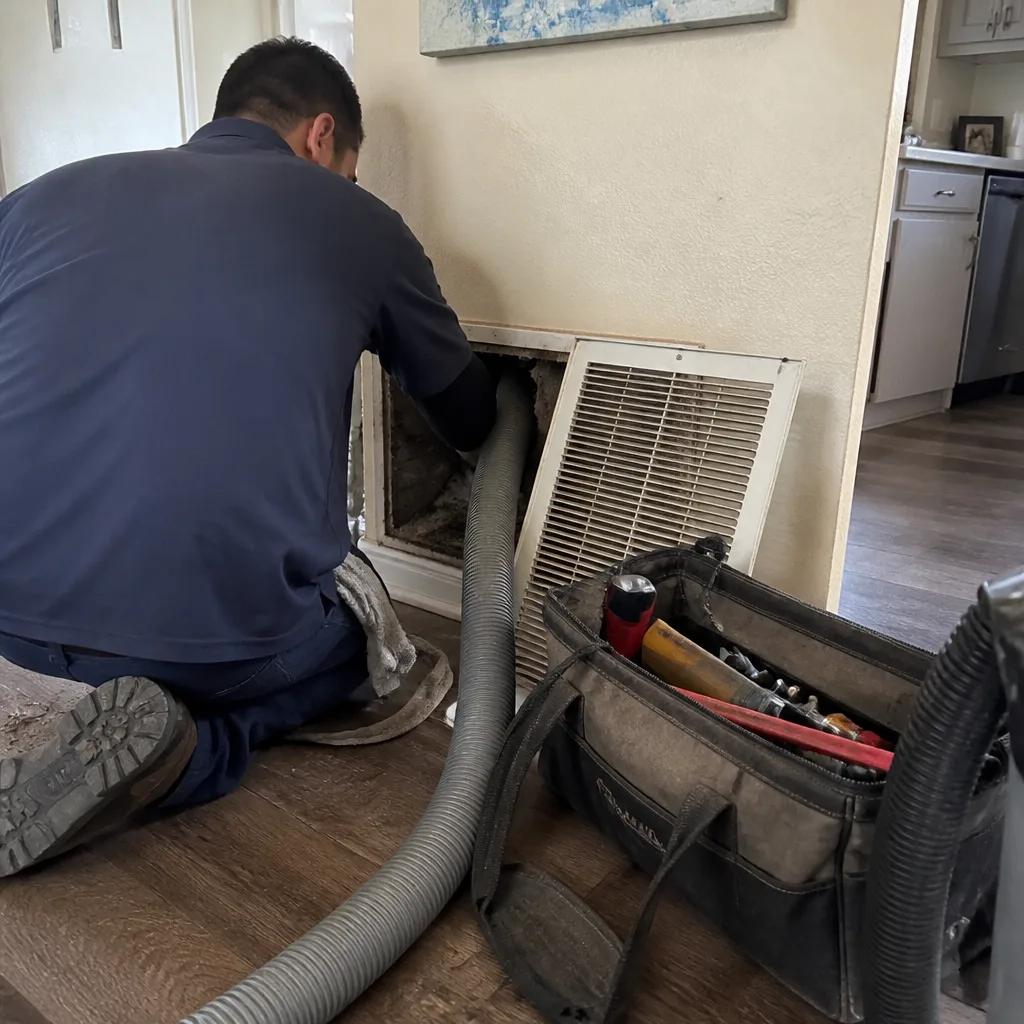 Before
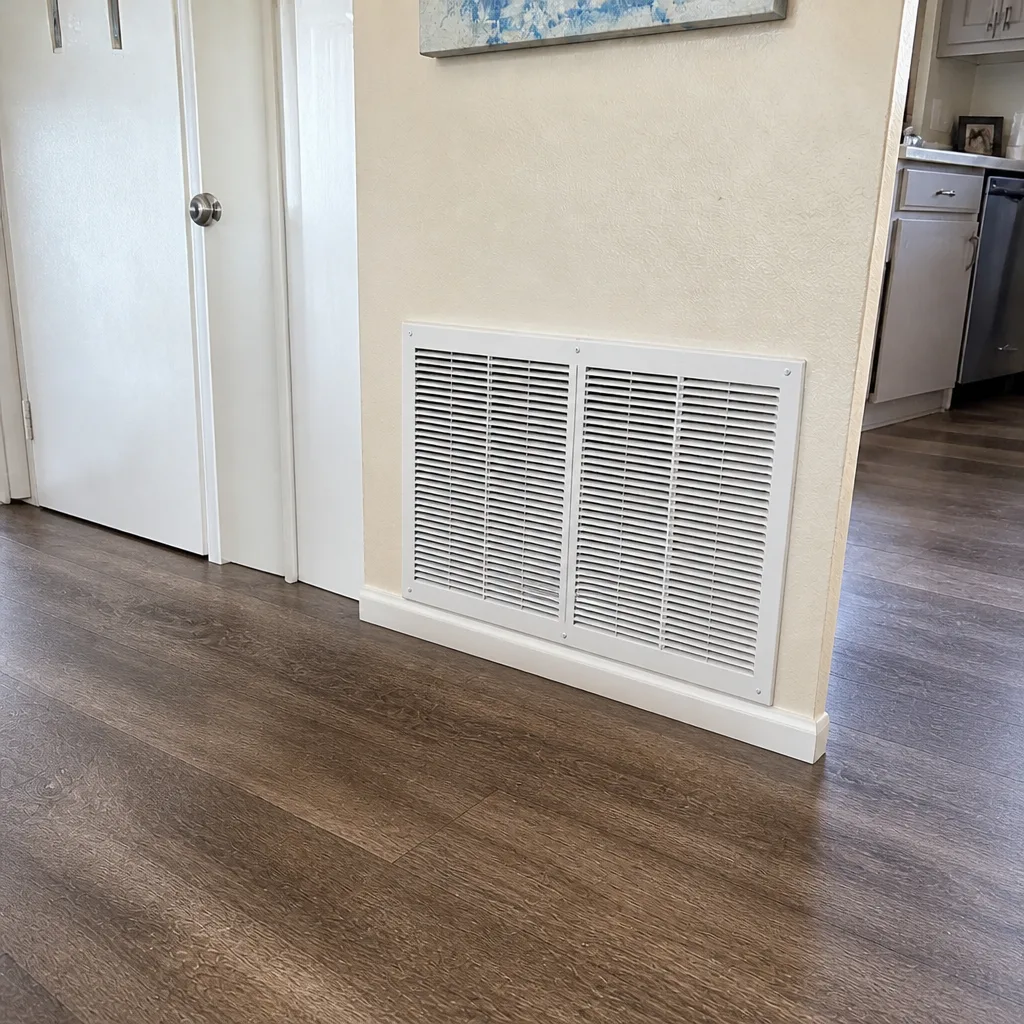 After
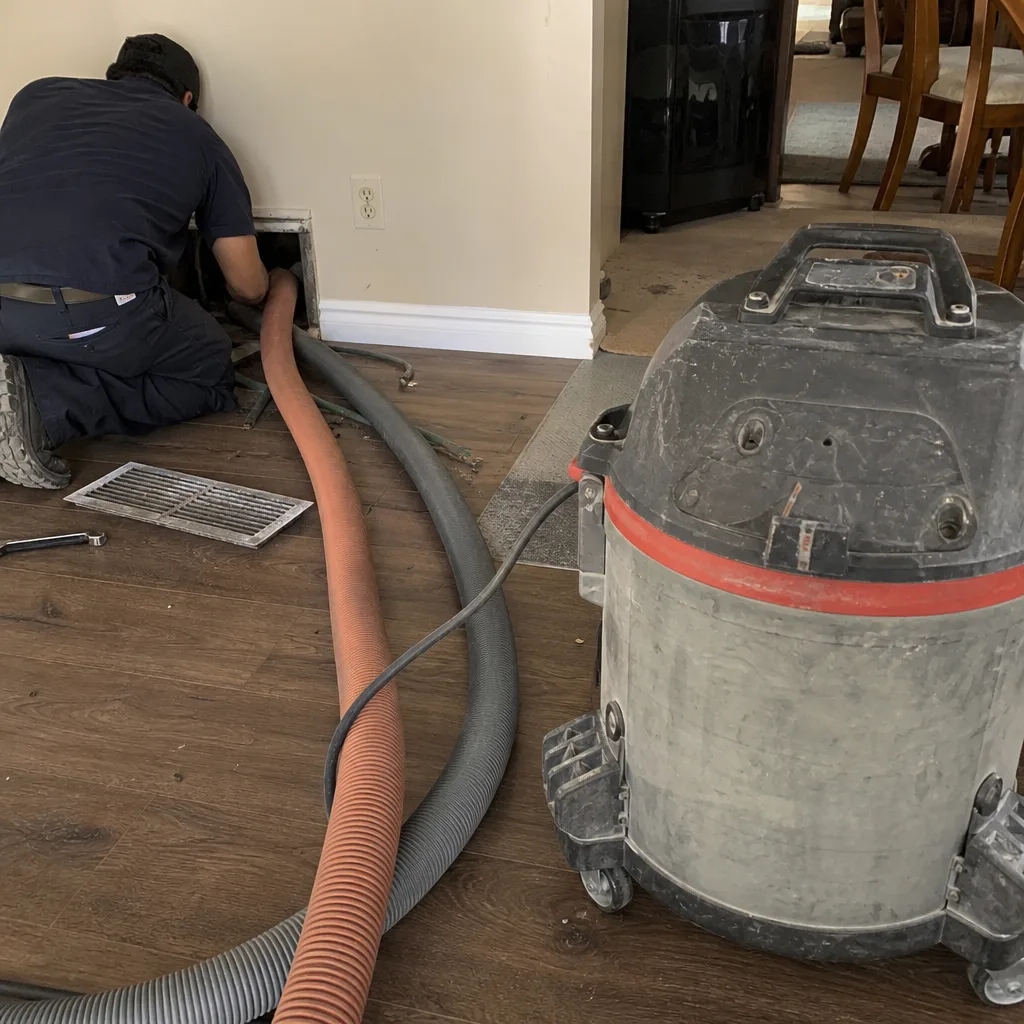 Before
 After
 Before
 After