
Last updated November 4, 2026
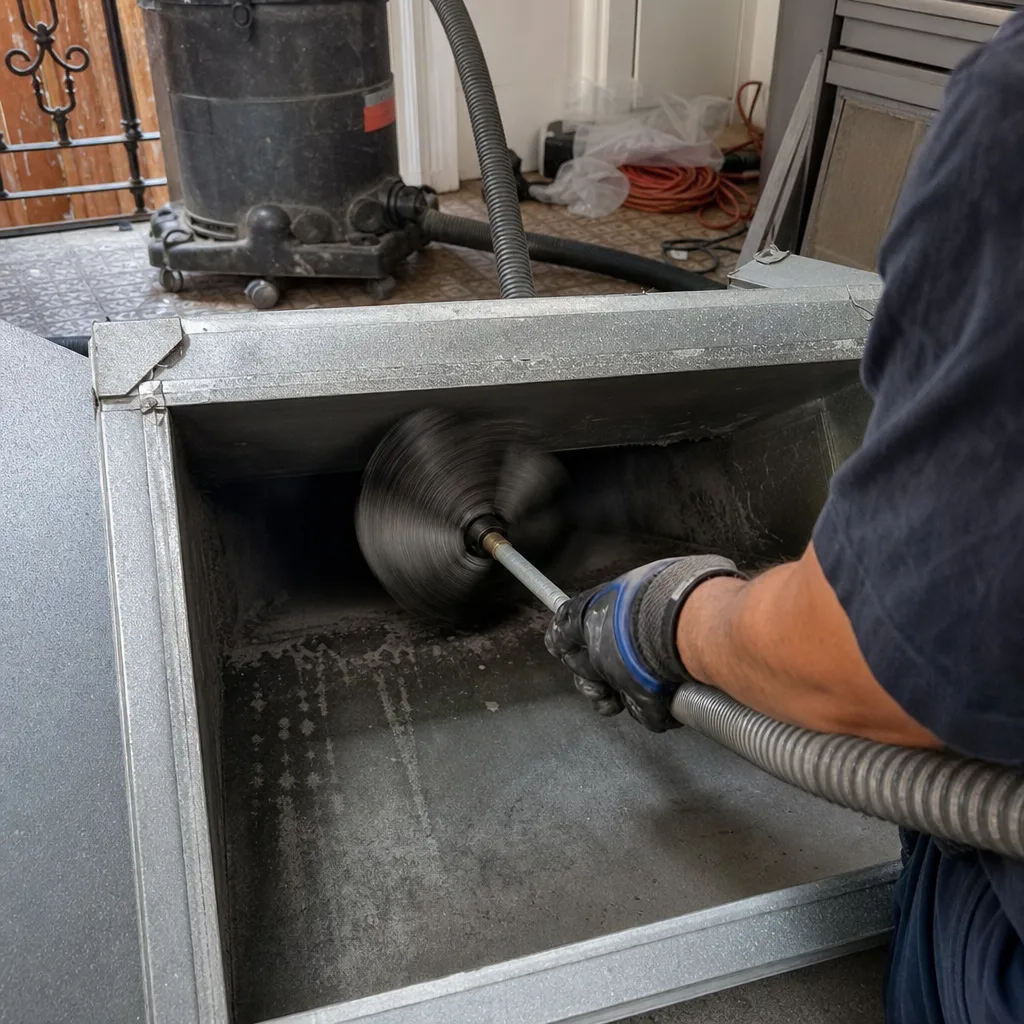
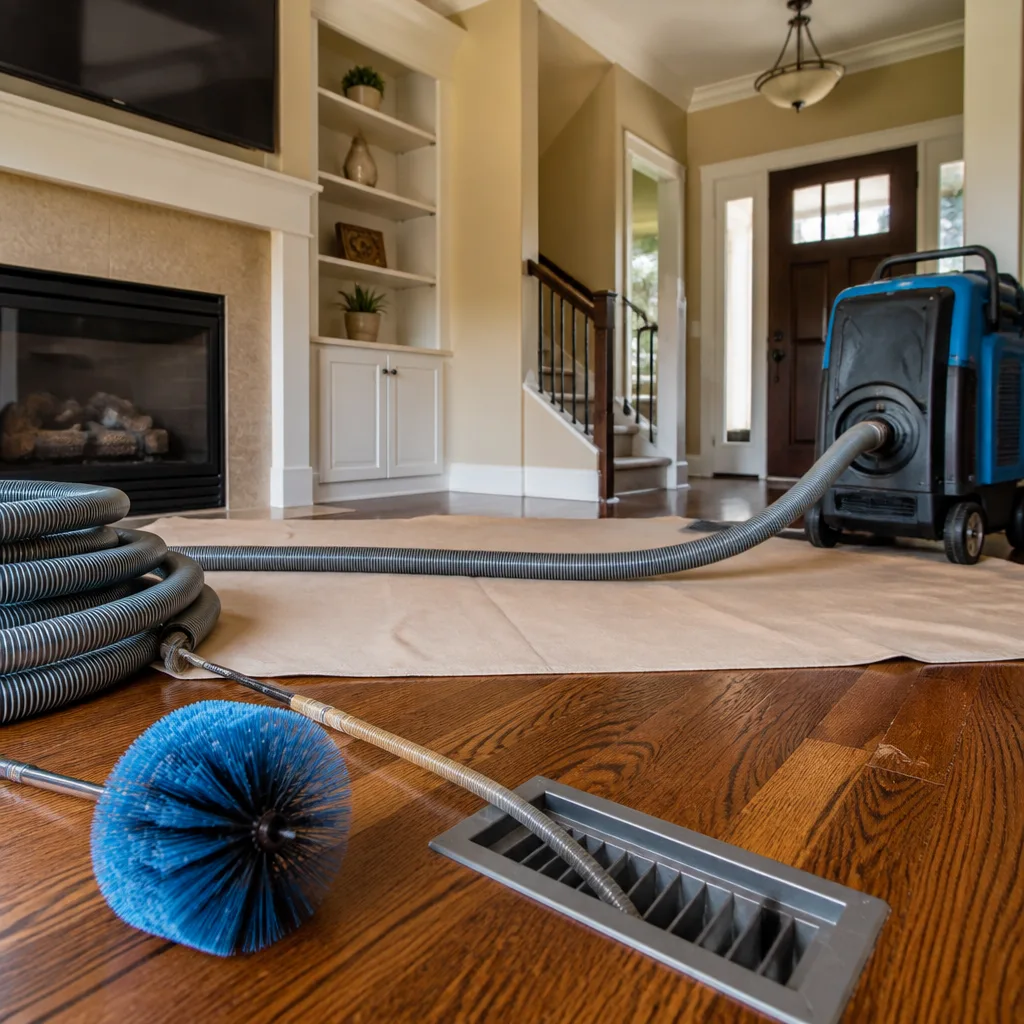 Whole-home duct cleaning
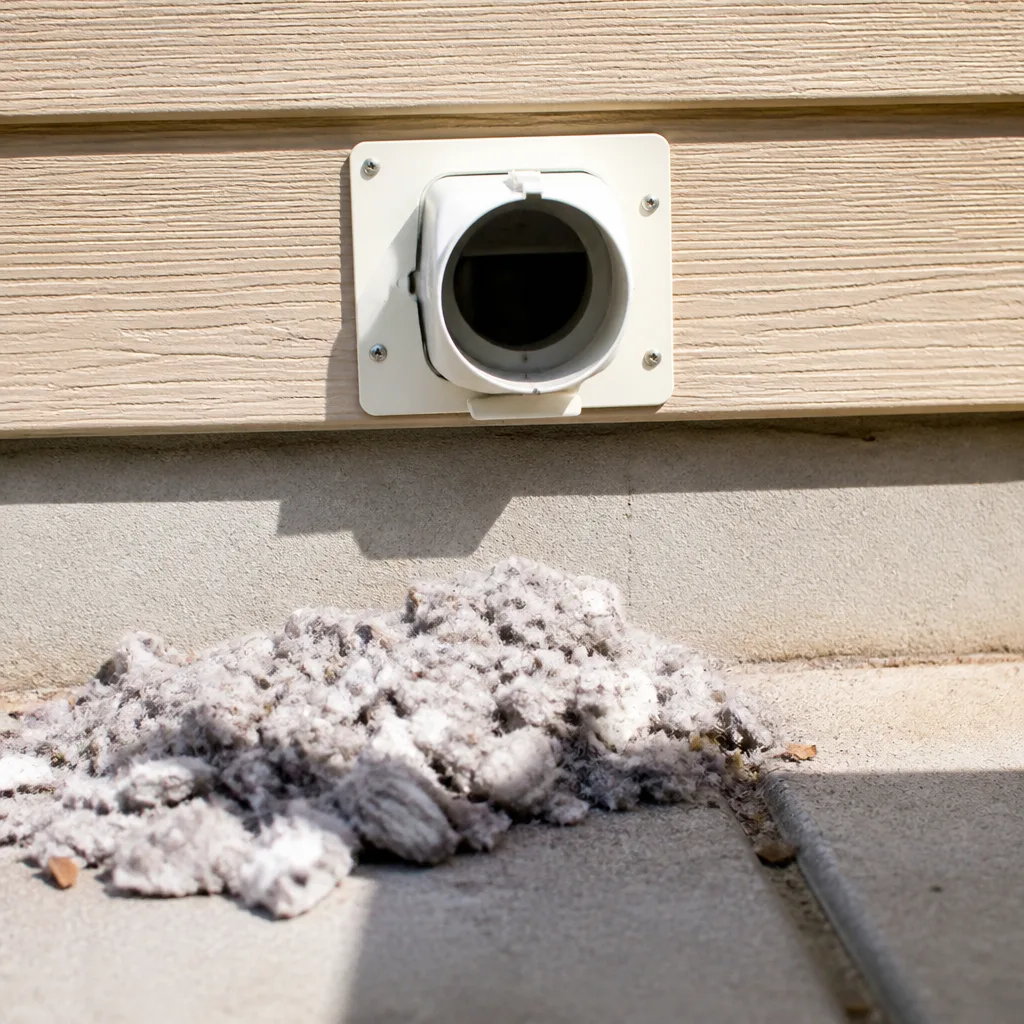 Dryer vent cleaning
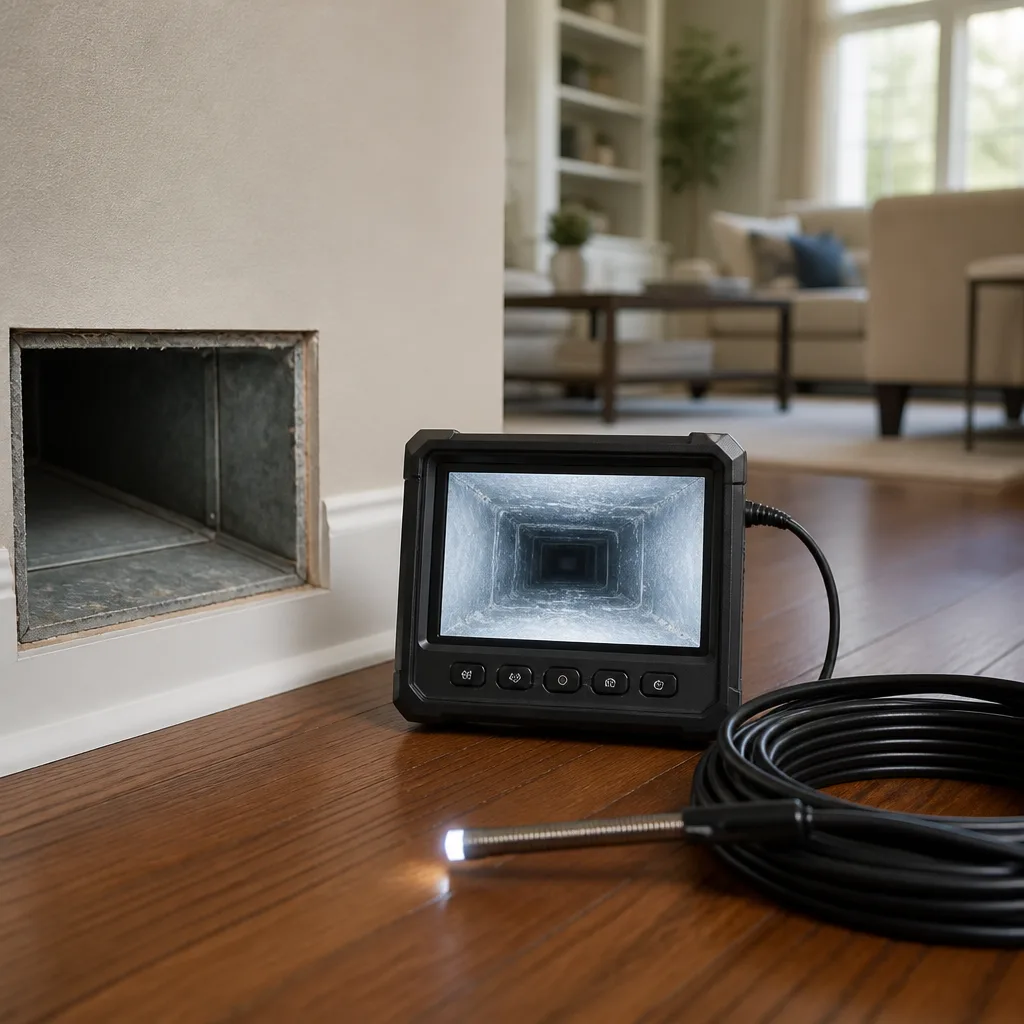 Camera inspection
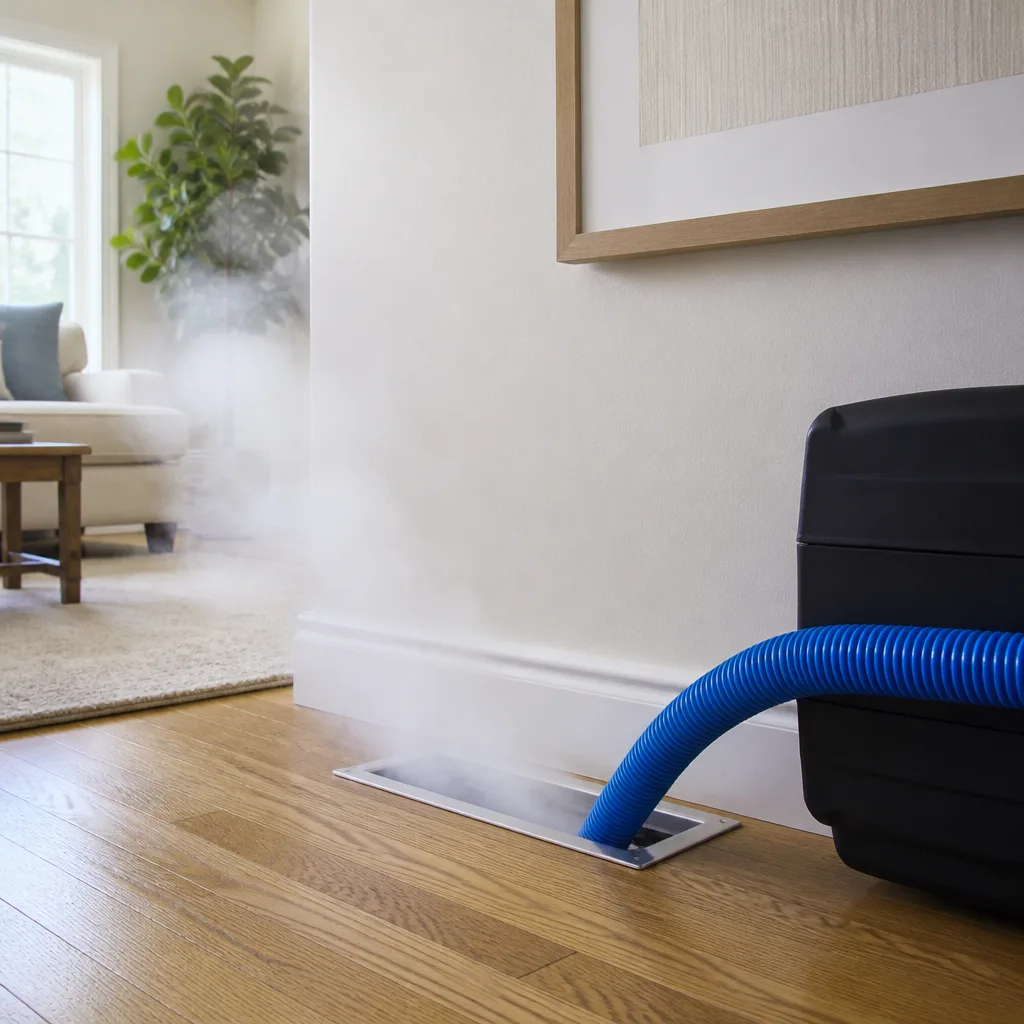 Sanitizing & deodorizing
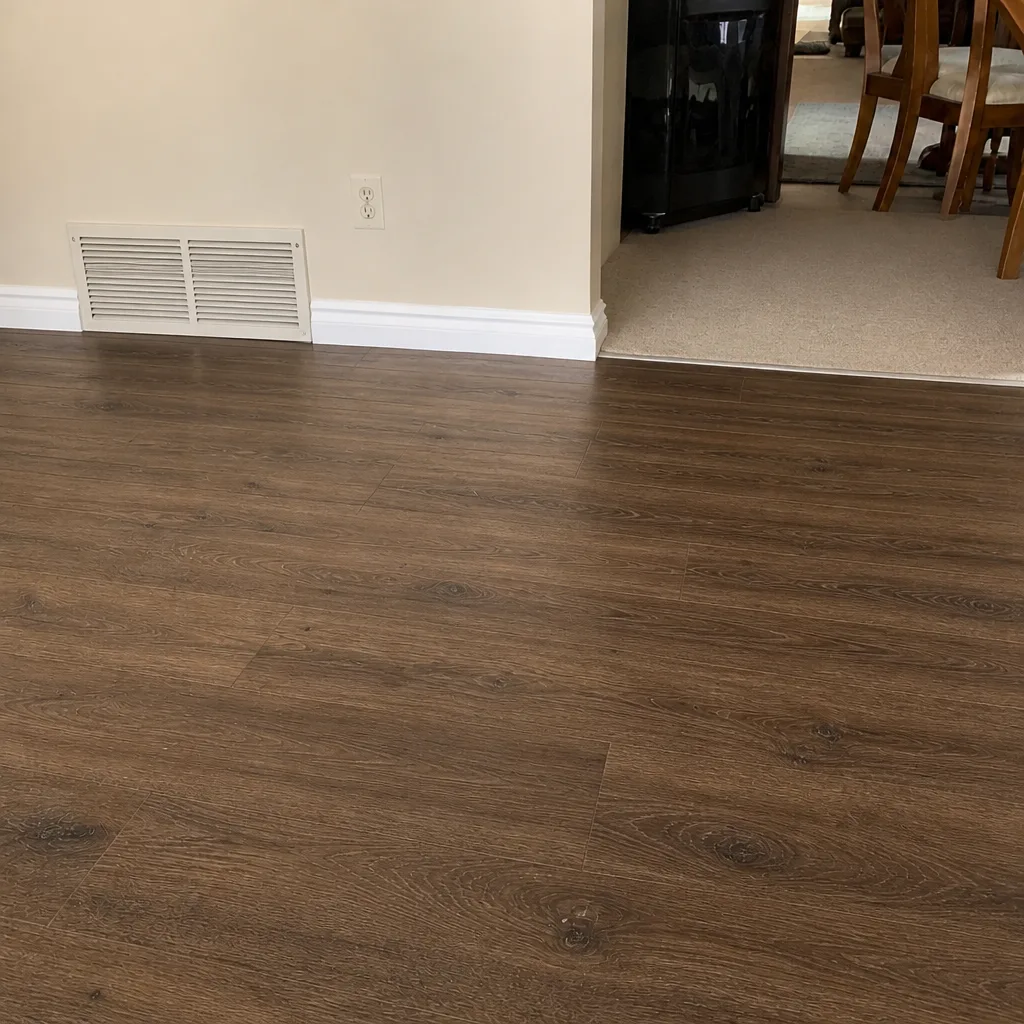
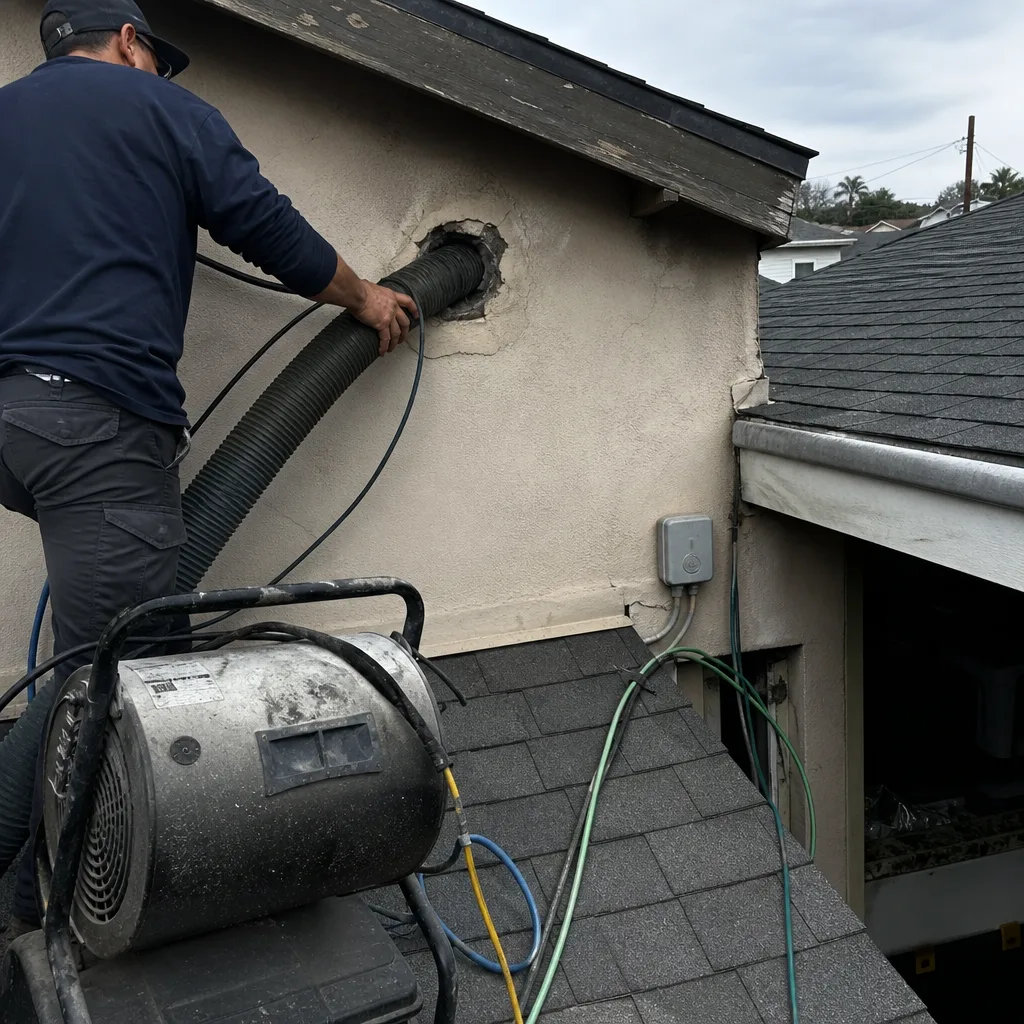
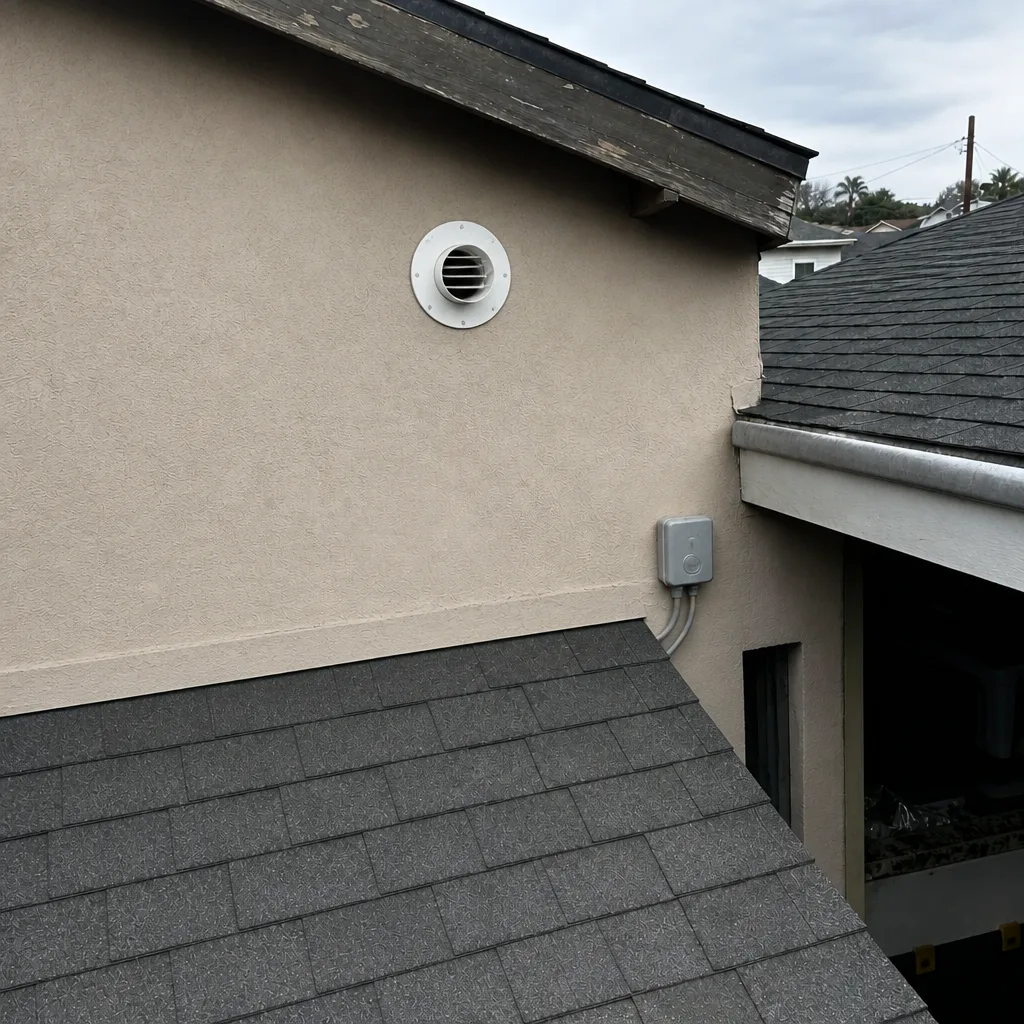
Whole-system duct and dryer vent check with before-and-after photos - you see exactly what came out of your vents
That "$99 whole-house special" is a bait ad - the real number appears once they are in your hallway, or the "clean" is a shop-vac at the register. We photograph the inside of your ducts before and after instead.
Air Duct Cleaning Maintenance Schedule: What to Do and When
Most homeowners inherit an air duct cleaning schedule from a mailer coupon or a single sentence on a government website: clean every three to five years, no exceptions. That rule ignores how fast contamination actually accumulates in a specific house. A two-person household with no pets and a six-month-old renovation has entirely different duct conditions than a four-bedroom home with two German Shepherds, a crawling infant, and original 1960s flex duct. This guide replaces the generic calendar rule with a condition-based schedule, built for Redondo Beach homes where marine layer humidity, attic heat, and coastal dust load all accelerate what collects inside a return plenum. You will learn what to inspect, when to act, and why the right timing saves you from cleaning twice.
Styles & brands we work with
- Whole-home duct cleaning
- Dryer vent cleaning
- Camera inspection
- Sanitizing & deodorizing
Quick Answer
Air duct cleaning in Redondo Beach should be scheduled based on household conditions, not a fixed calendar: most homes need a professional inspection every 2 to 3 years, with actual cleaning typically due every 2 to 4 years when pets, allergies, or recent renovation are present. Homes with three or more animals, occupants with chronic respiratory symptoms, or a remodel that breached drywall should inspect within 18 to 24 months and clean as findings dictate. If you have never had the ducts cleaned and cannot recall the last time anyone looked inside the supply registers, schedule an inspection now.
Table of Contents
- Why Calendar Rules Fail in Redondo Beach
- The Condition-Based Inspection Checklist
- Pet Load Protocol: When Animal Hair Changes the Schedule
- The 60-Day Post-Renovation Duct Inspection Protocol
- Dryer Vent Maintenance Cadence: A Separate Schedule
- Seasonal Timing: Why Before June Gloom Matters
- What Particulate Readings Tell You About Your Next Appointment
- Common Mistakes to Avoid
- When to Call a Professional
- Frequently Asked Questions
- The Bottom Line
Why Calendar Rules Fail in Redondo Beach
The EPA’s guidance on duct cleaning is often reduced to a four-word phrase: clean it as needed. That is sound advice for an average American home in an average American climate. But Redondo Beach does not have an average climate. Our air sits under a marine layer for much of the year, which means attic ductwork sees higher humidity than inland systems. Flexible duct seams, especially in older homes, loosen and open slightly under repeated heating and cooling. Humid air moves through those gaps, carrying fine dust that settles inside the liner. The result is that a Redondo Beach duct system can accumulate significant debris in three years what a dry-climate system needs five or six years to collect.
We work with homes all over Redondo Beach, from older bungalow stock near the Galleria to newer construction in the Golden Hills. The housing mix matters. Older homes often have original duct runs with liner that has been flexing through summer heat since long before the current owners arrived. Newer homes can have tighter envelopes, but that can work against them: less air exchange means whatever settles in the ducts stays in the ducts. A calendar rule cannot see the difference. A condition-based schedule can.
What you need is a way to evaluate your own home’s contamination rate, then set an inspection and cleaning interval that fits it. The sections below give you that method.
The Condition-Based Inspection Checklist
Rather than marking a date on the calendar, evaluate these six conditions every spring and fall. Each one that applies to your home shortens the interval between professional inspections. Three or more positive answers means you should have your ducts inspected within 12 months, not three years.
- Visible dust on supply registers more than two weeks after cleaning. If a white paper towel wiped across a register comes back gray within a fortnight, the ducts are releasing stored particulate into the living space. This is a condition finding, not a cleaning failure.
- Persistent musty odor when the HVAC cycles on. Odor at startup usually means microbial growth has taken hold on the duct liner or coil. In Redondo Beach humidity, this becomes more likely the longer organic dust stays moist inside the system.
- Allergy symptoms that ease when you leave the house. If occupants feel better at work or school and worse at home, the HVAC circulation is a suspect. Dust mites and fungal spores recirculate through ductwork when there is a reservoir inside the system.
- Return grille caked with a gray or black dust mat. The return side pulls room air toward the air handler, so heavy fouling at the grille means a large percentage of airborne particulate is trapped immediately. What you see at the grille is typically a fraction of what sits deeper in the return plenum.
- Evidence of rodents or pests in the attic. Droppings, gnawed insulation, or chewed duct jacket indicate the system has been exposed to contamination beyond ordinary dust. Rodent presence inside a duct run demands full source removal and sanitizing, not a light surface brushing.
- Renovation or drywall work completed in the last two years. Construction dust does not clear on its own. Fine silica and gypsum particles settle in the duct system and re-enter the house each time the blower runs. The 60-day protocol below explains the full reasoning.
None of these conditions require you to pull out a screwdriver or remove a grille yourself. They are observational. That is the point: the inspection is free of risk and gives you a practical basis for calling a professional for air duct cleaning or a more thorough internal inspection when one of the triggers is present.
Pet Load Protocol: When Animal Hair Changes the Schedule
The single fastest accelerator of duct contamination is animal dander and hair. But body weight and head count matter more than species. A 15-pound terrier that gets groomed monthly produces far less duct load than an 80-pound retriever that sheds year-round and sleeps under the return register. We use a simple threshold when advising Redondo Beach homeowners.
If your home has a dog over 40 pounds, or three or more animals of any size, the inspection interval drops to every 18 to 24 months. This applies regardless of how little visible dust you notice around the house. The reasoning is simple: large breed coats produce hair and dander at a volume that standard return filters cannot fully capture. That material enters the return duct, loses moisture in the air stream, and breaks into fine particulate that clings to the duct liner. By the time it shows up as a dust film on furniture, the system already holds a significant deposit.
For multi-pet households, add the effect of overlapping shedding cycles. Three cats may not individually match a large dog’s dander output, but their combined load, plus tracked litter dust, hits the HVAC return at a consistent rate twelve months a year. The return-side filter catches some of it; the rest continues into the duct run and accumulates at the first bend or sag in the flex duct.
What should you do on this schedule? Walk through the condition checklist every six months, and call for a professional inspection at the 18-month and 24-month marks if the home has a large dog or three-plus animals. Many of these homes need full source-removal cleaning every two to three years. We arrive with Rotobrush rotary-brush equipment that physically dislodges embedded dander and hair, rather than agitating it and leaving the reservoir in place, and Nikro HEPA vacuum equipment that captures the material at the point of contact. For a Redondo Beach household with pets, that is the difference between cleaning the visible registers and cleaning the actual system.
The 60-Day Post-Renovation Duct Inspection Protocol
Any remodel that breaches drywall should trigger a duct inspection within 60 days of final cleanup. This is not an optional step for a cautious homeowner; it is the point in time when drywall dust is most effectively removable, before it has absorbed moisture from the coastal air and bonded to the duct liner.
Here is the sequence we follow, and why each part matters:
- Within 30 days of drywall completion, close or cover supply and return registers in work areas. This limits the volume of construction dust entering the system during active sanding and painting. Plastic sheeting with tape is enough; nothing exotic required.
- At final cleanup, replace the HVAC filter. A fresh filter captures what remains airborne in the living space. The old filter likely holds a mix of dust, paint overspray, and fiberglass from insulation handling.
- Schedule the duct inspection for the 30-to-60-day window after work finishes. At this point, the dust that entered the system has settled. It is loose enough that a professional source-removal pass with a rotary brush can dislodge it completely, rather than grinding it into the liner.
- Have the contractor check not just the ducts but the return plenum, coil, and blower cabinet. Construction dust is fine enough to pass through many filter types, which places it directly on the evaporator coil. A clogged coil reduces HVAC efficiency and becomes a long-term moisture trap.
Wait longer than 60 days in a Redondo Beach marine layer climate, and the fine gypsum and silica dust begins to absorb ambient humidity. That changes its physical character: it cakes onto liner surfaces instead of sitting loosely. Removal becomes harder and less complete. This is why we tell local homeowners to treat the 60-day mark as a hard boundary, not a suggestion. The estimate is free. The price of delaying is a second cleaning later, or a persistent dust problem that never quite goes away.
Dryer Vent Maintenance Cadence: A Separate Schedule
Dryer vent cleaning runs on a different clock than HVAC duct cleaning, and conjoining the two schedules is one of the most common planning errors we see. A dryer vent accumulates lint at a rate set by load volume and vent run length, not by airborne dust or pet dander. A family of five doing eight loads a week through a 20-foot vertical vent run needs dryer vent cleaning far more often than a couple doing three loads weekly through a four-foot exterior wall run.
Here is the practical cadence by household type:
- Couple, 3-4 loads per week, short vent run (under 10 feet): professional cleaning every 24 months usually suffices.
- Family of four, 6-8 loads per week, vent run of 15 to 25 feet: annual cleaning is the correct interval.
- Household running 10 or more loads per week, any vent length: clean every 6 to 9 months.
- Any home where the dryer takes more than one full cycle to dry a normal load: inspect the vent immediately, regardless of the last cleaning date. This is an airflow symptom, not a scheduling question.
Redondo Beach homes with rooftop terminations and long attic runs often run into a related issue: the vent interior develops a sticky lint film faster because the entire run spends its life in a warm, humid attic space. The lint does not stay dry and fluffy. It compresses, narrows the effective diameter, and accumulates at bends. Cleaning this properly means pulling the full run, not vacuuming the first two feet at the wall opening. Our team handles dryer vent cleaning with the same source-removal discipline we apply to HVAC ductwork, because a clogged vent is a fire condition, not a convenience problem.
Seasonal Timing: Why Before June Gloom Matters
There is a right and wrong season to schedule duct cleaning in Redondo Beach, and the deciding factor is humidity. Our marine layer season begins in late spring and runs deep into summer. The air holds more moisture, attic temperatures stay warm, and whatever liquid is introduced into the duct system during cleaning takes longer to evaporate.
Duct liner, especially the fiberglass and foil-faced material in many local homes, behaves like a sponge at the microscopic level. A cleaning process that involves moisture, whether for sanitizing or for loosening caked debris, needs the liner to dry completely before the system returns to service. If the system runs while the liner is still damp, you create exactly the condition that encourages microbial growth: warm, dark, moist, with an organic food source present. Scheduling a duct cleaning in the middle of the most humid stretch, then turning the air conditioning on the same afternoon, works against the result you paid for.
The practical guidance is to schedule your next cleaning before the marine layer settles in, typically in the March to early May window. The attic is drier, drying time is shorter, and the system has a few weeks of moderate operation before the cooling season starts. If you miss that window, the next good opportunity is September or October, after the persistent overcast recedes and before cooler nights add dew to attic spaces. This is local knowledge that we have built into how we advise every homeowner in Duct Cleaning Redondo Beach, and it costs nothing to apply but saves repeat visits.
What Particulate Readings Tell You About Your Next Appointment
One of the questions we hear most often from skeptical homeowners is: how do I know the cleaning actually changed anything? The answer lies in particulate readings taken before and after the work. We run Nikro HEPA vacuum equipment at the supply side and monitor the airborne particulate count in the living space. The before number and the after number give you a data basis for your next appointment timing, not just a receipt.
Here is what the numbers typically show across service intervals, and how they guide scheduling:
- A clean system in a no-pet, low-traffic household will show a low baseline particulate count both at the registers and in the ambient room air. If a homeowner sees that number rise by a factor of two or three within 18 months, the contamination rate has accelerated. The next inspection should be moved up.
- A home with a 70-pound dog and two cats often shows a register-level count several times higher than the ambient room count before cleaning. After rotary-brush source removal and HEPA capture, the register count drops close to the room count. The speed at which that gap reopens over the following months tells you when to schedule the next cleaning; a gap that reopens in 18 months means an annual-to-18-month cycle is right for that house.
- A post-renovation system frequently shows a spike in fine particulate, specifically the very small particle sizes that pass through fiberglass filters. Those numbers drop dramatically after the rotorary brush dislodges the construction dust and the HEPA vacuum captures it. If the homeowner follows the 60-day protocol, the before number is lower than it would have been, and the system stabilizes more quickly.
The value of particulate data is not the single reading on one day. The value is the trend across two or three service visits. Once you know your household’s baseline and contamination rate, the next appointment timing becomes an evidence-based decision. We incorporate Abatement Technologies air filtration on-site during cleaning to contain dislodged contaminants and prevent them from recirculating into the living space, which keeps the reading accurate and protects the house while the system is being worked.
Common Mistakes to Avoid
- Using a calendar from a national franchise, not local conditions. A three-year blanket rule ignores Redondo Beach marine layer humidity, attic heat, and older housing stock. Your home’s condition sets the schedule, not a national marketing department.
- Cleaning the registers but not the return plenum. The highest concentration of captured dust sits in the return side, where it slowed down at the air handler. A register-only wipe-down is cosmetic; it leaves the reservoir intact.
- Waiting until visible dust appears before scheduling an inspection. By the time dust blooms on furniture each week, the duct system has been serving as a reservoir for a year or more. Early warning signs are odor, register buildup, and filter loading; do not wait for the dust cloud.
- Combining HVAC duct cleaning and dryer vent cleaning into one mental schedule. The two systems have different contamination drivers. You cannot run them both on the same clock and get either one right.
- Cleaning during June Gloom or the humid summer stretch. Moisture added during cleaning dries slowly when the air is already saturated. Duct liner that stays damp becomes a growth medium. Aim for March-to-May or September-to-October.
- Hiring a vent-cleaning price advertiser, not an equipment-serious contractor. If the quote is per vent or the equipment looks like a shop vac with a long hose, the method is not source removal. Rotobrush rotary-brush and Nikro HEPA equipment exist for a reason: they physically remove debris and capture it, rather than blowing it around.
- Treating duct repair as a separate problem from duct cleaning. If a cleaning reveals a torn jacket, open seam, or collapsed flex run, the dirt will return through the same opening. We clean and repair under one scope; ignoring a breach means paying for the same cleaning twice.
When to Call a Professional
Call a professional when any single condition on the checklist above is present and has persisted for a month or longer: register dust that returns quickly, a musty odor on startup, or allergy symptoms that improve away from home. Also call if you have a large dog and cannot remember the last time the ducts were inspected, if a remodel finished more than 60 days ago, or if changing the furnace filter feels like it is loading up far faster than it used to. These are objective signals that the duct system holds more than it should. Duct Cleaning Redondo Beach offers free estimates in Redondo Beach. Call (877) 358-4828. We answer 24/7. Fast dispatch from 7am to 7pm, Sunday through Friday.
Frequently Asked Questions
Most Redondo Beach homes should have a professional duct inspection every 2 to 3 years and a full source-removal cleaning every 2 to 4 years, depending on occupancy, pets, and renovation history. Homes with a dog over 40 pounds or three or more animals should inspect every 18 to 24 months. Call (877) 358-4828 for an exact recommendation based on your household’s conditions. The estimate is free.
Pricing is set per job by written estimate, not by a per-vent quote, and the written estimate sets the final price before work begins. The price depends on system size, access, contamination level, and whether duct repair is included. Call (877) 358-4828. We answer 24/7. Fast dispatch from 7am to 7pm, Sunday through Friday.
Low quotes almost always come from per-vent pricing, which invites a low entry number and a larger final invoice once the technician is on site. Professional source-removal cleaning with Rotobrush rotary-brush equipment and Nikro HEPA vacuum capture is priced per system, with one flat price agreed before the work starts. The method and the equipment are not the same product, and the price reflects that difference.
Ask for before-and-after particulate readings, and expect before-and-after photographs of the duct interior, not just the registers. A professional cleaning shows measurable drops in register-level particulate counts and visible changes at the return plenum and coil. If the technician cannot show either, the cleaning may have been cosmetic.
Run the cadence by household load volume: two-person households with short vent runs can usually go 24 months, families doing six to eight loads a week need annual cleaning, and households running ten or more loads a week need cleaning every 6 to 9 months. Any dryer taking more than one full cycle to dry a normal load needs the vent inspected immediately. Call (877) 358-4828 for a free estimate.
Yes. The marine layer keeps attic air more humid for longer stretches of the year, which means fine dust entering duct seams picks up moisture and bonds to liner surfaces more readily than in dry inland climates. This shortens the practical interval between cleanings for many local homes and makes seasonal timing of the cleaning itself more important.
The Bottom Line
The right air duct cleaning schedule for a Redondo Beach home is not a number on a calendar. It is a condition-based interval built from your household’s pet load, renovation history, HVAC run characteristics, and the humidity profile of a marine-layer climate. Inspect the visible indicators every six months, schedule professional inspection every 18 to 36 months depending on conditions, and time the actual cleaning for the dry window before June Gloom or the clear stretch in early fall. Watch the register dust, the filter loading rate, and the dryer cycle time. Those three signs tell you when the duct system needs attention, long before a blanket national rule ever would.
Written by the team at Duct Cleaning Redondo Beach, serving Redondo Beach since 2017.
See the difference
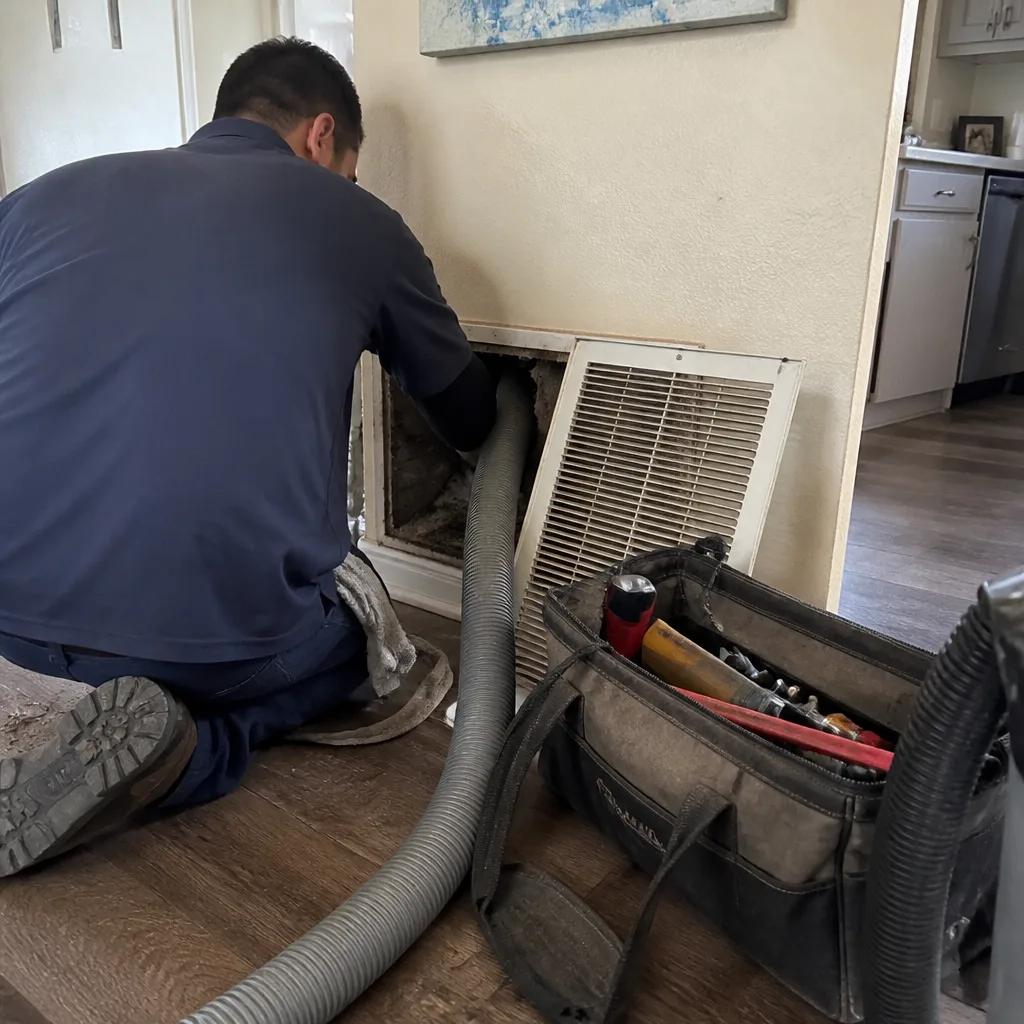 Before
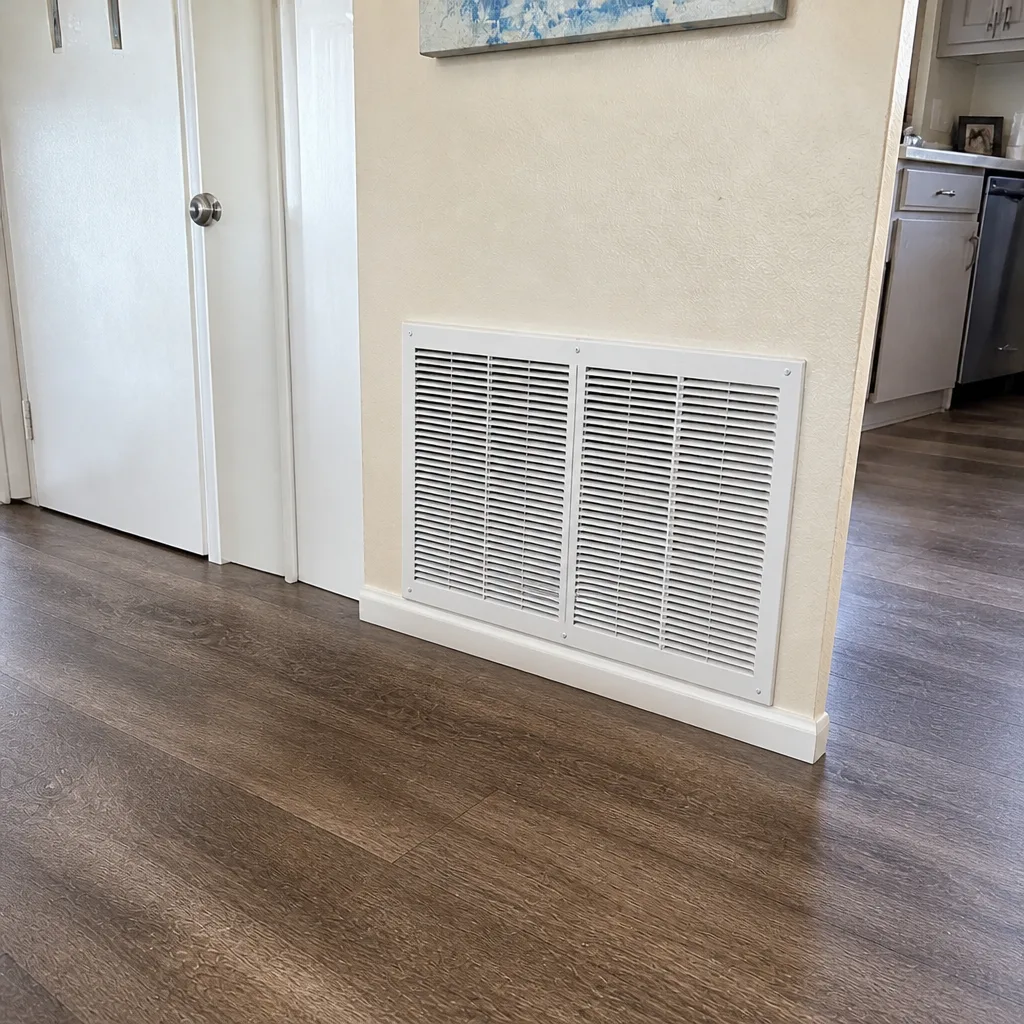 After
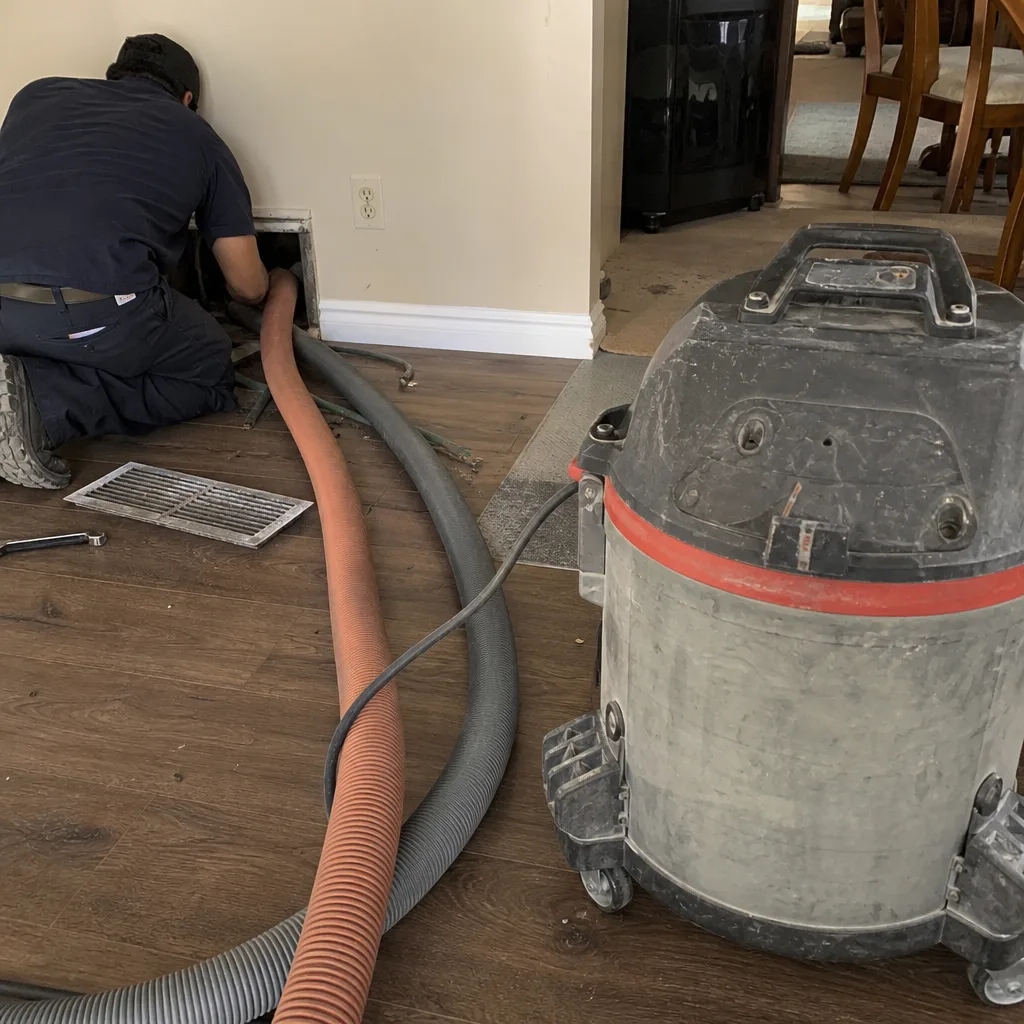 Before
 After
 Before
 After